Gynecomastia Surgery: Evaluation, Procedure, Recovery and Cost Factors

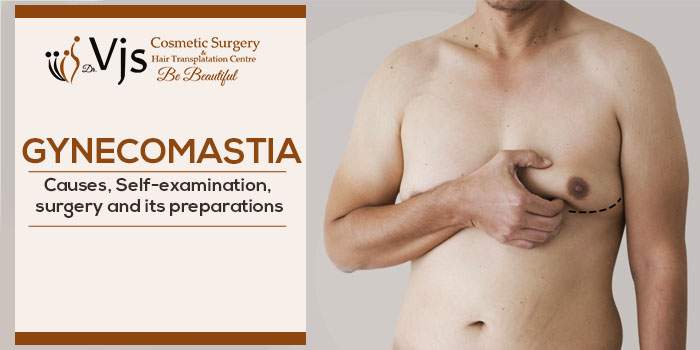
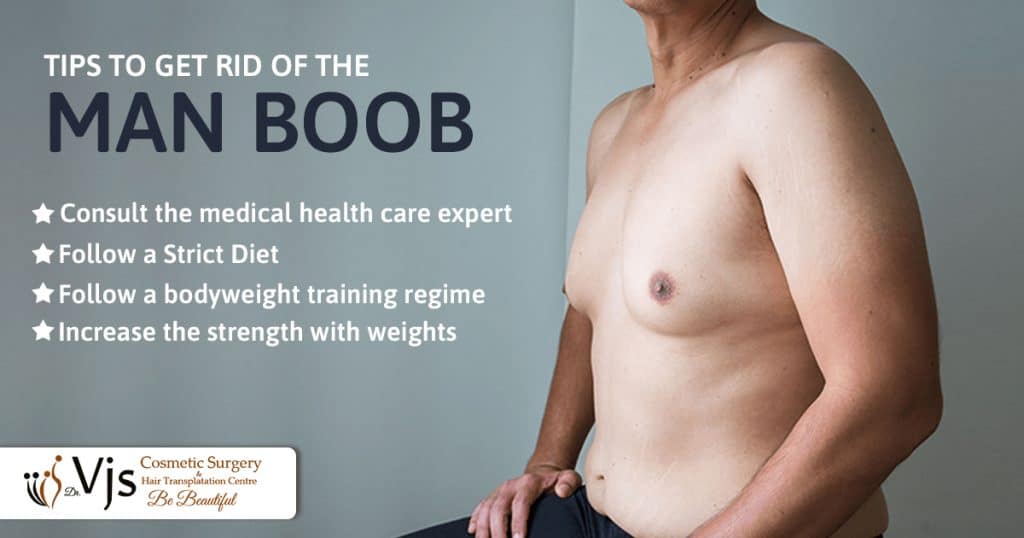
Gynecomastia is enlargement of male breast gland tissue and can affect one or both sides of the chest. It may occur at different ages and can have several contributing factors, including normal hormonal changes, certain medicines, health conditions or no clearly identifiable cause. Chest fullness is not always gynecomastia, so an assessment should distinguish glandular tissue from predominantly fatty tissue and look for findings that may need further investigation.
When is surgery considered?
Surgery may be considered when gynecomastia persists, causes physical discomfort or is personally bothersome, and when a clinician considers an operation appropriate after assessment. It is not the only possible response to every case. Depending on the cause and timing, observation, addressing a contributing condition, or reviewing medicines with the prescribing clinician may be relevant before surgery is discussed.
For a broader overview of evaluation and treatment choices, see the main gynecomastia treatment guide.
What does gynecomastia surgery involve?
The operative plan depends on whether the chest enlargement is mainly glandular tissue, fat, excess skin or a combination. Liposuction may be used to reduce selected fatty tissue, while excision may be required for firmer glandular tissue. Some patients need both approaches. More extensive cases may also require skin removal or adjustment of the nipple–areola position.
Incision location, anaesthesia and technique vary with anatomy and the amount of correction required. No technique can promise perfectly flat contours, invisible scars or exact symmetry.
What affects the cost?
There is no single fixed price that applies to every patient. An individualized estimate may depend on the extent of surgery, whether liposuction and excision are combined, anaesthesia, facility charges, investigations, compression garments, prescribed medicines, follow-up care and whether additional procedures are required. A written quotation should make clear what is and is not included.
Preparation should be individualized
Pre-operative planning usually includes a health history, examination and a review of medicines, supplements, smoking or nicotine use, allergies and previous surgery. Tests are ordered when clinically appropriate rather than automatically for everyone.
Do not stop aspirin, anti-inflammatory medicines, blood thinners or any other prescribed treatment solely because of general online advice. Some medicines can increase surgical bleeding risk, but changing them without the prescribing clinician’s guidance can also be unsafe. The surgical team should provide patient-specific instructions after reviewing the reason each medicine is being taken.
Recovery and possible risks
Swelling, bruising, soreness and temporary changes in sensation can occur during early recovery. A compression garment may be recommended in some treatment plans. The timing of driving, work, gym activity and heavy lifting varies with the procedure and the individual’s healing, so return-to-activity advice should come from the treating team.
Potential complications include bleeding, infection, fluid collection, contour irregularity, asymmetry, noticeable scarring, altered nipple or skin sensation, wound-healing problems, changes in nipple–areola position, anaesthetic complications and the possibility of revision surgery. Residual fullness or later chest changes can also occur.
Questions worth asking before deciding
- Has the cause of the chest enlargement been assessed?
- Is the proposed treatment liposuction, gland excision, skin removal or a combination?
- Where are scars likely to be placed?
- What limitations and complications apply to my anatomy?
- What does the quoted fee include?
- What follow-up is available if healing or contour concerns develop?
Gynecomastia surgery can change chest contour in suitable patients, but it should not be described as a guaranteed or universally permanent solution. If you want an individualized assessment and treatment discussion, use the Contact Us page.