Traction Alopecia: Hair Loss from Excessive Styling
Free Video Consultation

Category: Alopecia Areata

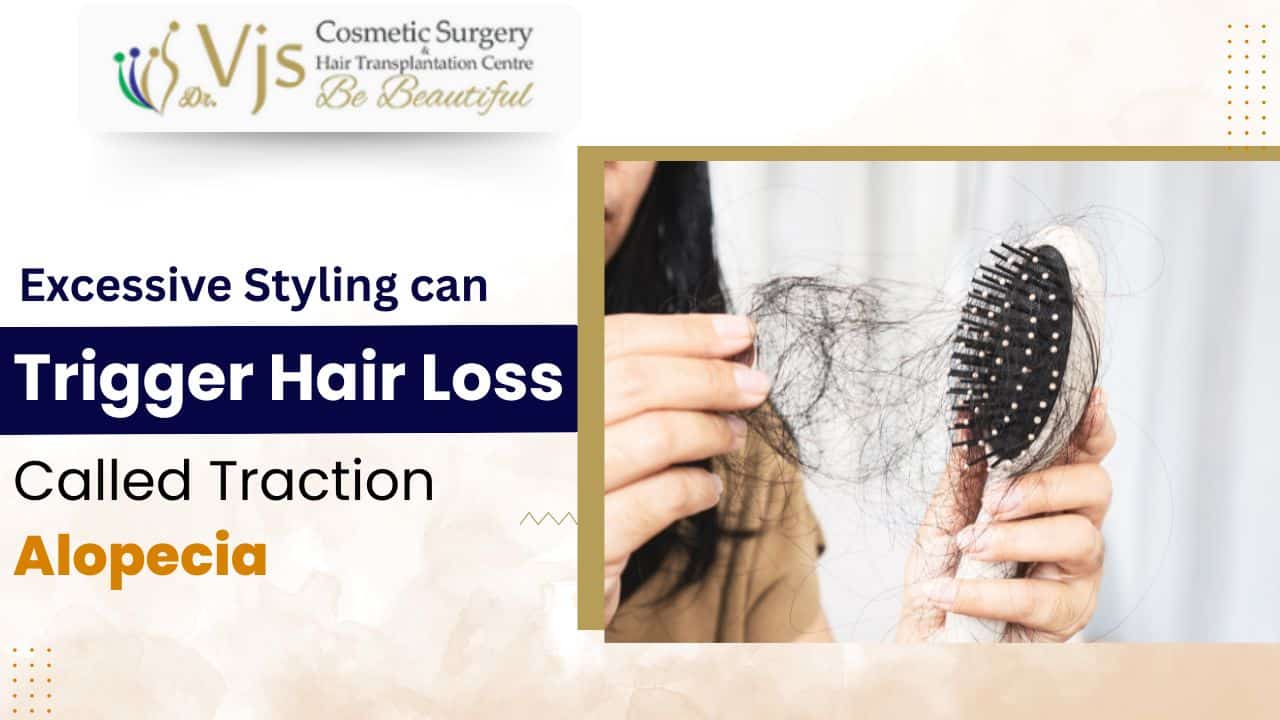
Thinning hair on a hairbrush indicating hair loss caused by excessive styling and traction alopecia.

Excessive Styling can Trigger Hair Loss Called Traction Alopecia

Loading

Are you an individual who likes tight buns, braids, ponytails, or extensions? However, these are doing more harm than good. These popular hairstyles can cause traction alopecia, a form of hair loss stemming from mechanical stress on the hair follicles. We’ll explain the effects, warning signs, and, most crucially, how VJ’s Clinics can assist you in treating and avoiding damage before it’s too late.

What Is Traction Alopecia?

This is a form of acquired hair damage (loss) that results from prolonged or repetitive tension or force on the scalp hair. It was discovered in 1907 in the subject of Greenland, who had experienced hair loss for an extended period, which was attributed to the wearing of a ponytail.

What causes alopecia?

Alopecia traction is caused by persistent or unvarying pulling on the hair, which damages the hair strand over time, some of the points that cause it.

1. Tight Hairstyles

Frequent use of tight ponytail braids (which include cornrows or box braids) as well as deadlocks always leads to hair damage.

2. Hair Extensions, Weaves & Wigs

Extensions, tightly braided weaves, sew-ins, and heavy wigs place additional stress on natural hair roots, increasing traction and risk of follicle injury.

3. Chemical Treatments & Heat

Styling with high heat temperatures further brings hair fragility under tension.

Why VJ’s Clinics Is a Trusted Partner

  • Experienced diagnosis: We utilise trichoscopy and scalp biopsy for accurate detection.
  • Specialised plans: From medical therapies to lifestyle adjustments, every solution is tailored to meet your specific needs.
  • Advanced technology: Experience breakthrough growth with PRP, laser therapy, and more.
  • Holistic support: Our care includes nutritional advice, stress management, and emotional well-being.

How Scalp Can Rebound?

  1. Avoid tight styling: Switch to gentle, stress-free hairstyles.
  2. Book a personalised consultation: Early diagnosis is your best chance for a successful outcome.
  3. Follow your tailored treatment plan, which includes scalp care, medications, and regrowth therapies.
  4. Monitor and maintain: Regular check-ins to keep your energy levels high.

Conclusion

Even mild traction alopecia often goes unnoticed—most of us chalk it up to simple breakage. But with the information shared above, you’re now equipped to protect your hair before it’s too late. The most productive and immediate way to address this condition is by adjusting your styling habits. So, ease up on tight hairstyles and handle your hair gently daily. After all, healthy hair is the most stunning accessory anyone can wear. Reach out to the VJ’s Clinic for professional consultation.
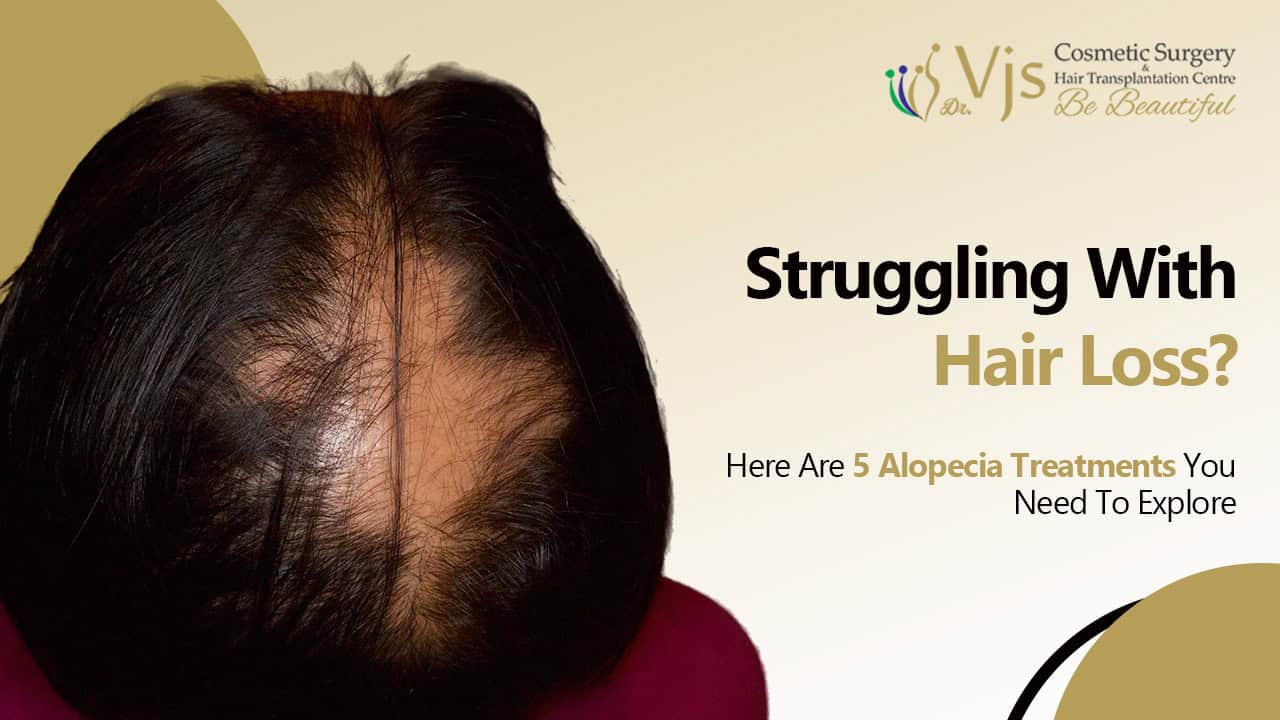

FIve Alopecia Treatments to Help You Fight Hair Loss

Alopecia and Hair Loss: Types, Evaluation and Treatment Options

Loading

Hair loss is not a single diagnosis. “Alopecia” is a broad term that includes several conditions with different causes, patterns and treatment approaches. Before choosing medicines, injections, devices or surgery, it is important to identify which type of hair loss is present and whether the follicles are still capable of producing hair.

Common categories of alopecia

Androgenetic alopecia is pattern hair loss influenced by genetics and androgen sensitivity. It may affect men and women differently and usually progresses gradually. Alopecia areata, by contrast, is an autoimmune condition that can cause sharply defined patches of hair loss and may follow a very different course. Other forms of hair loss can result from inflammation, scarring, traction, illness or temporary shedding.

The main hair loss guide provides a diagnosis-first overview, including when an examination or further testing may be useful.

Treatment depends on the diagnosis

There is no single treatment that is appropriate for every type of alopecia. Options that may be discussed for selected patients include clinician-directed medicines, treatment of an underlying scalp condition, low-level light devices, microneedling, platelet-rich plasma and surgical hair restoration. The quality of evidence and expected benefit differ between these approaches.

PRP therapy is one procedure sometimes discussed for selected non-scarring hair-loss conditions, but it should not be described as a cure or guaranteed regrowth treatment. Likewise, low-level light therapy and microneedling may be considered in certain settings, but response varies and they are not interchangeable with medical diagnosis.

When is hair transplantation relevant?

Hair transplantation redistributes existing donor follicles; it does not create an unlimited new supply of hair and does not stop progression of untreated native hair loss. It is generally considered only when the diagnosis, donor area and pattern of loss make surgery appropriate. Active scarring or inflammatory conditions may require different management first.

Medicines require individual advice

Some hair-loss medicines are available by prescription or over the counter in certain regions, but suitability depends on factors such as age, sex, pregnancy potential, medical history and other medicines. Do not start, stop or change a prescribed treatment solely because of an online article; discuss risks, expected benefit and alternatives with an appropriate clinician.

If shedding is sudden, patchy, associated with scalp redness, scaling or pain, or continues to worsen, arrange an individual assessment rather than trying several treatments at once. For consultation information, use the contact page.

बाल झड़ने के कारण और घरेलू उपाय से समाधान

कौन-सी बीमारी से झड़ने लग जाते है बाल, जाने कैसे करें घरेलु उपचार के द्वारा इस समस्या का इलाज ? 

Loading

आजकल की बदलती लाइफस्टाइल के कारण बहुत से लोगो को कई तरह की समस्याओं से गुजरना पड़ रहा है, जिनमें से बालों का झड़ना सबसे आम है | अगर गिनती में 50 से 100 की संख्या में आपके बाल झड़ रहे है तो यह कोई बड़ी बात नहीं है, लेकिन टेंशन वाली बात तो तब होती है जब आपके बाल अधिक मात्रा में झड़ने लग जाते है | बालों के झड़ने के कई कारण हो सकते है, जिनमें शामिल है चिकित्सा इलाज, पारिवारिक इतिहास, अनियमित रूप से खानपान, अत्यधिक तनाव में रहने से आदि | आइये इस विषय को विस्तारपूर्वक से समझते है :- 

बाल झड़ने के कारण और घरेलू उपाय से समाधान

कौन-सी बीमारियां बनती है, बाल झड़ने का कारण ? 

हालांकि कई तरह की बीमारियां है, जो बालों के झड़ने का कारण बनते है, जिनमें शामिल है स्कैल्प इन्फेक्शन, लाइकेन प्लेनस से जुडी बीमारियां, जिससे स्कैल्प में दाग पड़ने लग जाते है | कुछ लुपस डिजीज जैसे समस्याओं के कारण भी बाल झड़ने लग जाते है | इसके अलावा एलोपेसिया एरीटा भी बाल झड़ने के प्रमुख कारण बनते है | इसके साथ ही कुछ चिकित्सा स्थिति भी होती है जो पुरुष और महिलाओं दोनों के ही बाल झाड़ सकते है, जिनमें शामिल है :- 

  • बचे को जन्म देने के बाद महिलाओं के बाल झड़ने लग जाते है | 
  • गर्भनिरोधक दवाओं का सेवन करने से 
  • पोषक तत्वों की कमी होने के कारण
  • कुछ दवाएं ऐसे भी होते है, जो बाल झड़ने के कारण बनते है | 
  • कभी-कभी गंभीर बीमारियों के इलाज के लिए किया गया सर्जरी बाल झड़ने के प्रमुख कारण बनते है | 

एलोपेसिया एरीटा :- एलोपेसिया एरीटा एक ऐसी बीमारी है, जिसमे बाल एक पेचिस के पैटर्न में झड़ने लग जाते है | इस बीमारी में बाल झड़ने की स्थिति बिलकुल विभिन्न होती है, जैसे किसी के बाल बहुत ज़्यादा जड़ते है तो किसी के बहुत कम | आसान भाषा में बात करें इससे स्कैल्प पर गोल-गोल पेचिस बनने लग जाते है, जिसमें गंजापन दिखाई देने लग जाता है | एलोपेसिया एरीटा एक ऑटोइम्यून बीमारी है, जिसमें प्रतिरक्षा प्रणाली शरीर के दूसरे बैक्टीरिया और वायरस को बढ़ने से रोकने में असक्षम हो जाते है | 

थायराइड :- आज के समय में थायराइड जैसे समस्या होना बेहद आम है, जो महिला और पुरुष दोनों को ही नकारात्मक रूप से प्रभावित कर सकता है | थायराइड दो प्रकार से शरीर को प्रभावित करती है, पहला है हाइपोथायरायडिज़्म और दूसरा है हाइपरथायरायडिज़्म, यह दोनों ही सीधा बालों के स्वास्थ्य को गंभीर रूप से प्रभावित करने का काम करती है | जिसकी वजह से बाल तेज़ी से झड़ने लग जाते है | 

अत्यधिक तनाव में रहना :- आज के समय में प्रत्येक व्यक्ति तनाव में रहता है, लेकिन यदि आप आवश्यक से अधिक तनाव में रहने लग गए है तो यह आपके लिए गंभीर समस्या को उत्पन्न कर सकता है | इसका प्रभाव न केवल आपके शारीरिक स्वास्थ्य पड़ता है, बल्कि यह मानसिक और बालों के स्वास्थ्य को भी गंभीर रूप से प्रभावित कर सकता है | जिससे अधिक मात्रा में आपके बाल झड़ने लग जाते है | 

लाइकेन प्लेनस :- लाइकेन प्लेनस एक सूजन संबंधी समस्या होती है, जिससे सिर के स्कैल्प और चेहरे की त्वचा पर दाने, योनि के आसपास क्षेत्र में नम जैसे घाव उत्पन्न होने लग जाते है | यह एक किस्म के खुजलीदार वाले बीमारी होते है, जो प्रतिरक्षा प्रणाली के कमज़ोर होने की वजह से उत्पन्न होता है | यह स्कैल्प की ऊपरी परत में होने की वजह से घाव के ऊपर सफ़ेद परत जमने लग जाती है, जिससे तीव्र दर्द और जलन महसूस होने लग है | पपड़ीदार त्वचा होने के कारण बाल भी तेज़ी से झड़ने लग जाते है | 

ऐसे और भी कई बीमारियां है जैसे की सिफलिस, पीसीओडी, हार्मोनल परिवर्तन, मौसमी एलर्जी, विटिलोगो त्वचा से जुडी बीमारी आदि, जो बाल झड़ने के प्रमुख कारण बनते है | यदि आप भी ऐसे ही परिस्थिति से गुजर रहे है तो इलाज के लिए आप डॉ वीजेएस कॉस्मेटिक सर्जरी एंड हेयर ट्रांसप्लांट सेंटर से परामर्श कर सकते है | आइये जानते है ऐसे घरेलु उपचार के बारे में, जो करें बाल झड़ने की समस्या को कम करें :- 

बाल झड़ने की समस्या को कम करने के लिए घरेलू उपाय 

आमतौर पर बहुत से लोग बाल झड़ने की समस्या का इलाज करने के लिए घरेलू उपचार का ही उपयोग करना पसंद करते   है | आइये जानते है ऐसे ही उपाय के बारे में :- 

  • ग्रीन टी :- बाल झड़ने की समस्या को कम करने के लिए ग्रीन टी को सबसे उपयोगी उपाय माना जाता है | ग्रीन टी को दवा के रूप में भी उपयोग किया जाता है | इस उपयोग करने के लिए सबसे पहले एक कप पानी में ग्रीन टी को अच्छे से मिलाएं और इस पानी को अपने सिर में लगाकर एक घंटे के लिए छोड़ दें | ग्रीन टी में एंटीऑक्सीडेंट जैसे गन भरपूर मात्रा में मौजूद होते है, जो बाल झड़ने की समस्या को कम करने के लिए बेहद कारगर सिद्ध होते है |
  • प्याज़ का रास :- प्याज का रस बालों को झड़ने से रोकने के लिए बेहद असरदार उपायों में से एक होते है, क्योंकि इनमें भरपूर मात्रा में सल्फर कंटेंट मौजूद है, जो आपके बालों के रोमों में ब्लड सर्कुलेशन में सुधार करने में मदद करते है | 
  • एलोवेरा :- एलोवेरा में एंज़ाइम मौजूद होते है, जो बालों के स्वास्थ्य के विकास में बढ़ावा देते है | इसके अलावा इनमें मौजूद एल्कलाइन गुण बालों के पीएच स्तर को सही करने में मदद करते है | 
  • मेथी के दाने :- मेथी के दाने को बाल झड़ने की समस्या के इलाज के लिए बेहद प्रभावी घरेलु उपायों में से माना जाता है | मेथी के दाने में मौजूद एंटीऑक्सीडेंट जैसे गुण, बालो को बढ़ने और इसके रोम के पुनर्निमाण करने में मदद करते है | इसके अलावा मेथी के दाने में मौजूद निकोटिनिक एसिड बालों के विकास को बढ़ावा देते है |     

बाल झड़ने के कारण और घरेलू उपाय से समाधान

घरेलू उपचार द्वारा आप केवल बालों के टूटने की समस्या को कम करने की कोशिश कर सकते है, लेकिन बाल झड़ने की समस्या से जुडी बिमारियों के इलाज के लिए आपको विशेषज्ञ के पास जाने की ज़रुरत पड़ सकती है | यदि आप या फिर आपका कोई परिजन ऐसी ही किसी बीमारी से परेशान है तो इलाज के लिए आप डॉक्टर सी विजय कुमार से परामर्श कर सकते है | डॉ वीजेएस कॉस्मेटिक सर्जरी एंड हेयर ट्रांसप्लांट सेंटर के सीनियर कंसल्टेंट डॉक्टर सी विजय कुमार विजाग के बेहतरीन हेयर ट्रांसप्लांट सर्जन स्पेशलिस्ट में से एक है, जो पिछले 40 सालों से गंजेपन से पीड़ित मरीज़ों का सटीकता से इलाज कर रहे है | इसलिए आज ही डॉ वीजेएस कॉस्मेटिक सर्जरी एंड हेयर ट्रांसप्लांट सेंटर की ऑफिसियल वेबसाइट पर जाएं और परामर्श के लिए अपनी नियुक्ति को बुक करें | आप चाहे तो वेबसाइट पर मौजूद नंबरों से संपर्क कर सीधा संस्था से भी चयन कर सकते है |      

Alopecia-Areata-and-Hair-Transplant

Alopecia Areata and Hair Transplant: Why Active Disease Needs Medical Evaluation First

Loading

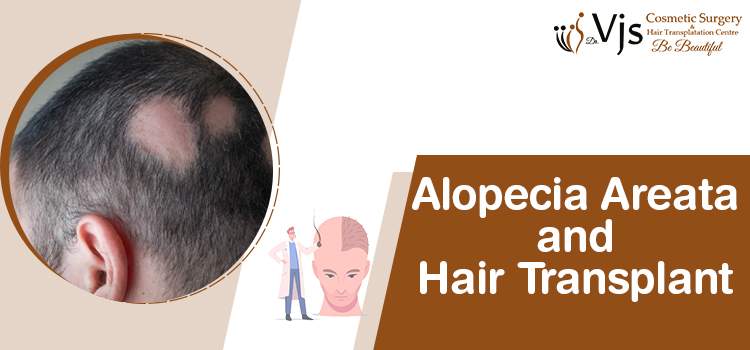
Alopecia areata is an autoimmune condition that can cause one or more patches of hair loss on the scalp, beard, eyebrows or other hair-bearing areas. It behaves differently from androgenetic (pattern) hair loss, so it should not be treated as though a hair transplant is automatically the next step.

Why diagnosis matters in alopecia areata

The immune system can temporarily disrupt hair growth in affected follicles. The pattern may remain limited, recur or involve larger areas, and the course can be difficult to predict. Patchy loss, eyebrow or beard involvement, nail changes, scalp inflammation or rapid progression should be assessed by a qualified clinician.

For a broader explanation of different causes of thinning and shedding, see the Hair Loss guide.

Medical treatment usually comes before surgery

Management depends on the extent, duration and activity of the condition, as well as age, medical history and previous treatment. A dermatologist or other appropriately qualified clinician may discuss topical, injected or systemic therapies in selected cases. These treatments can have side effects and contraindications, and no medicine should be started, stopped or changed based only on online information.

Why a hair transplant is not a standard treatment for active alopecia areata

Hair transplantation moves follicles from one area to another; it does not treat the autoimmune process itself. If disease activity continues, transplanted or surrounding hair may still be affected. For that reason, surgery is generally not approached in the same way as transplantation for stable pattern hair loss.

In selected, long-standing and clinically stable cases, a specialist may discuss whether surgery has any role after reviewing disease history, donor-site behaviour and the possibility of recurrence. Even then, suitability is individualized and outcomes cannot be guaranteed.

Questions to discuss before considering any procedure

  • Is the diagnosis definitely alopecia areata, or could another condition be causing the patch?
  • Is the disease currently active or has it been stable?
  • What medical options are appropriate before surgery is considered?
  • Is the donor area unaffected and likely to remain usable?
  • What is the risk that hair loss could recur after treatment?

Where hair transplant information fits

The main Hair Transplant guide explains how donor-based surgery is planned for suitable forms of hair loss, including its limitations and risks. That information should not be read as a recommendation that every person with alopecia areata should undergo transplantation.

If you have patchy hair loss and want an individual evaluation, use the Contact page to request a consultation. The decision should follow diagnosis and review of disease activity rather than promotional claims about a single procedure.

A-To-Z-About-Alopecia-Areata-Hair-Loss

Experts Guide: What Is Alopecia Area Hair Loss And Its Causes?

Loading

It is not easy to handle hair loss, especially when it is more than natural or normal. It is pretty standard to get tensed over your look and the constant tugging of hair. The bald patch is telling a lot of stories, and you are evident in hiding it and, in this case, with a hat or scarf. But for how long? In the end, you will require to find an easy option that will help you get rid of such a situation once and all. That is why FUE Hair transplant in Vizag is growing exponentially because of its permanent and efficient hair growth solution.

But there are certain causes of hair loss that require different types of treatment. For example, the alopecia area requires its own remedy to get rid of the hair loss condition.

Alopecia Hair Loss

You might have heard about alopecia, especially with the debacle of the Oscars and Will Smith’s infamous situation. Alopecia is basically an umbrella term for all kinds of hair loss conditions. Many men and women suffer from hair loss; it is a common occurrence. And one that everyone will face in their life at least once. You can visit a hair clinic in Vizag and take extra care of your hair to make it stronger and healthier. To avoid this situation for as long as possible.

Alopecia Areata

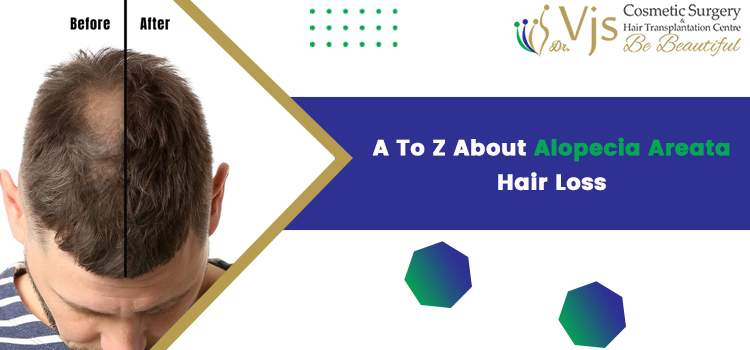
Now let us move towards alopecia areata. It happens when the immune system of the body directly attacks the hair follicles, which then leads to hair loss. Also, note that alopecia can occur in any part of the body, including the scalp, eyelashes, eyebrows, and a place where hair grows, such as arms, legs, and thighs.

What Are The Causes Of Alopecia Areata?

The work of an immune system in the body is to protect it against any invasion of foreign particles such as allergens or bacteria. But there are times when the immune system does not work as it should. In such a situation, the immune system can attack the hair follicles. This process then turns the follicles to stay in the resting phase or sickle for some period of time until you get alopecia treatment from the professional. This resting phase is also known as telogen, and in this cycle, the hair growth stops.

The doctor does not know the exact reason behind alopecia areata hair loss and what triggers it. However, some factors such as genetics, environmental elements, and even stress play a significant role in dictating the condition of hair loss.

Apart from that, the doctor has seen alopecia areata in all ethnicities and gender. In fact, it is one of the most common types of hair loss issues that people suffer from. Alopecia areata can also happen to anyone at any point in their lives, but it is more evident in people younger than 30.

Hair Loss Program

If you want to treat your hair loss condition, kindly contact VJs Cosmetic Surgery And Hair Transplantation Center.

Is It Possible For Alopecia Areata Patients To Get Hair Transplantation?

Is It Possible For Alopecia Areata Patients To Get Hair Transplantation?

Loading

Overview

Hair loss can be due to different reasons and one of them is alopecia areata which is found in around 2 percent of the population. To deal with the issue of hair loss, hair transplant is a perfect and effective choice. People looking for permanent treatment for alopecia areata should read the given article in detail about how the hair transplantation will work for you.


What is alopecia areata?

Our immune system is the most essential part of the human body. The immune system helps to fight against the harmful substances present in the body and defend the body. But, sometimes the disorders affect the immune system and it makes the wrong target in the body. In such cases, the problem can result in alopecia areata.

Alopecia areata is an autoimmune disorder of the skin which affects the hair follicles as they consider it as a foreign substance. Due to this, the hair follicles get attacked and they destroy them. The problem results in permanent hair loss.

Well, the exact reason for this condition is not known but some of the studies show that it occurs due to hereditary and environmental factors.


Symptoms

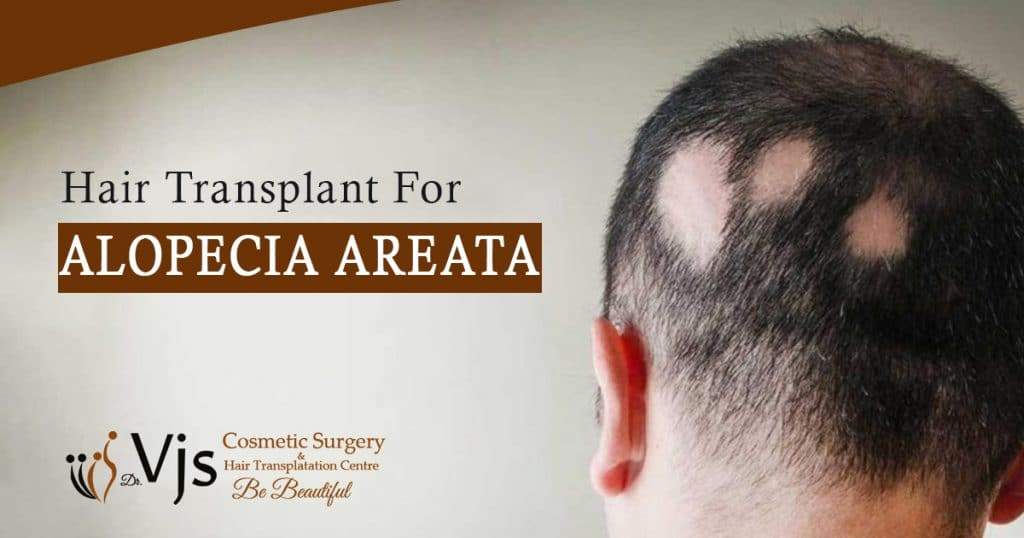
There is no clear symptom of alopecia areata but it can result in hair loss. The hair loss mostly occurs in the rounded area which can be on one part of the head or more. In most cases, hair loss results in patches.

One of the main reasons is hereditary so people need to be more careful about this situation. However, the problem will not pass through physical contact.


Treatment for alopecia areata

The first care treatment for the patient with alopecia areata includes:

  • Minoxidil is applied to hair which has hair loss.
  • Low-level laser application improves the scalp and hair health.
  • The hair follicles are fed by giving the supplements which have biotin and zinc.

In case the patient has a lot of hair then these treatments might not prove effective. So, you should undergo the treatment of hair transplantation in the first place.


Hair transplant treatment

Hair transplantation is the permanent solution for the hair loss issue. There is no point in looking for an alternative solution and then waiting for a long time to see the effective results. This is why patients should undergo hair restoration to have natural and permanent hair growth. This is true, there is no other solution that will work in the same manner as this method.

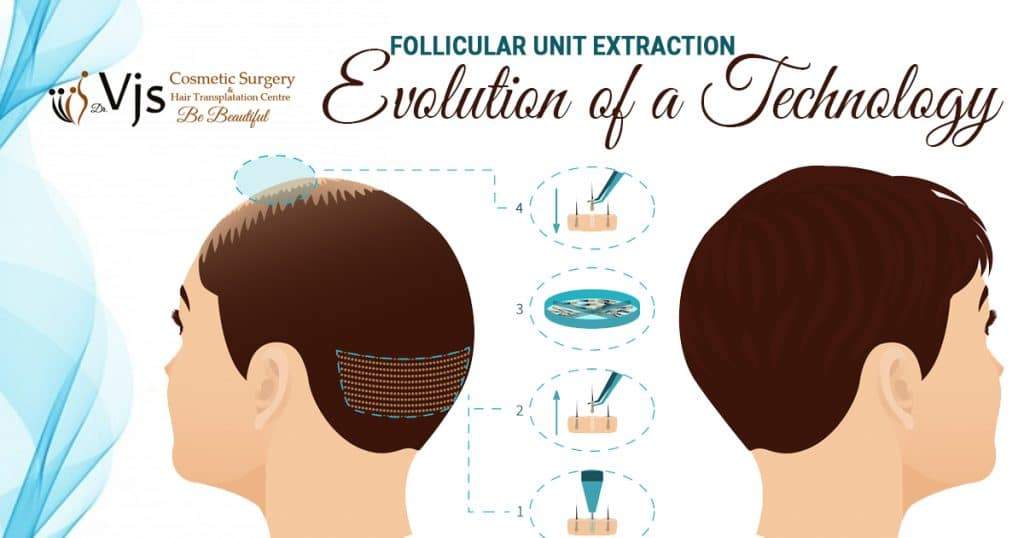
During the surgery, the hair follicles are taken from the back of the scalp and then they are transplanted where hair growth is very less. The treatment will effectively cover the shedding areas.

Why Hair transplant considered an evolution in the field of medical science?

What are the Various Types of Alopecia and How it can be Treated?

Loading

Overview

Alopecia is a broad time that is used for hair loss which can be on the scalp or any other body part. With age, hair loss can trigger and other conditions can affect hair health. In this article, we are going to discuss in detail about the types of alopecia and the best treatment option for it: Hair transplant

Different types of Alopecia

Hair loss problems can be different in severity, hair loss pattern, age at which it starts, other health factors, and which body part is affected. Given below are some of the common types of alopecia:

  • Androgenetic Alopecia

As the name suggests, it is a genetic disorder. This condition is also referred to as male or female pattern baldness.

  • Alopecia areata

In this type, any part of the body can get affected but mostly it is scalp and it can trigger at any age. This is an autoimmune problem in which hair growth is affected because the body starts attacking the healthy cells in the body.

  • Telogen Effluvium

With this type, the hair growth cycle is affected and the hair loss is more as compared to hair growth. Due to this condition, the hair loss is gradual and it results in thin hair.

  • Anagen effluvium

With this type, hair loss is gradual due to the use of certain medications like radiation or chemotherapy.

  • Tinea Capitis

Hair loss can be caused by a fungal infection. Although this condition is not permanent, it can be reversed as your doctor will give you medications to treat the infection.

  • Cicatricial Alopecia

This type of hair loss is caused by the inflammatory destruction of hair follicles which happens due to the formation of scar tissues.

How is alopecia hair loss characterized?

The hair loss is characterized by different types which are mentioned below:

Alopecia Areata

This is the most common type of hair loss which results in small patches.

Alopecia Areata Totalis

In this case, hair loss occurs all over the scalp.

Alopecia Areata Universalis

Although this is a very rare form of hair loss, which affects the entire body and the scalp.

Treatment for Alopecia Areata

Hair Transplantation is the golden treatment to deal with the hair loss once and for all. The results of the treatment are natural and they are permanent. This is because a patient’s hair is used to cover the bald patches so they blend completely with the existing hair.

For more information, you can book your consultation with our hair doctor and get an understanding of how the treatment is best for you.

What is traction alopecia and how to prevent this problem in Sikhs?

What is traction alopecia and how to prevent this problem in Sikhs?

Loading

What is Traction Alopecia?

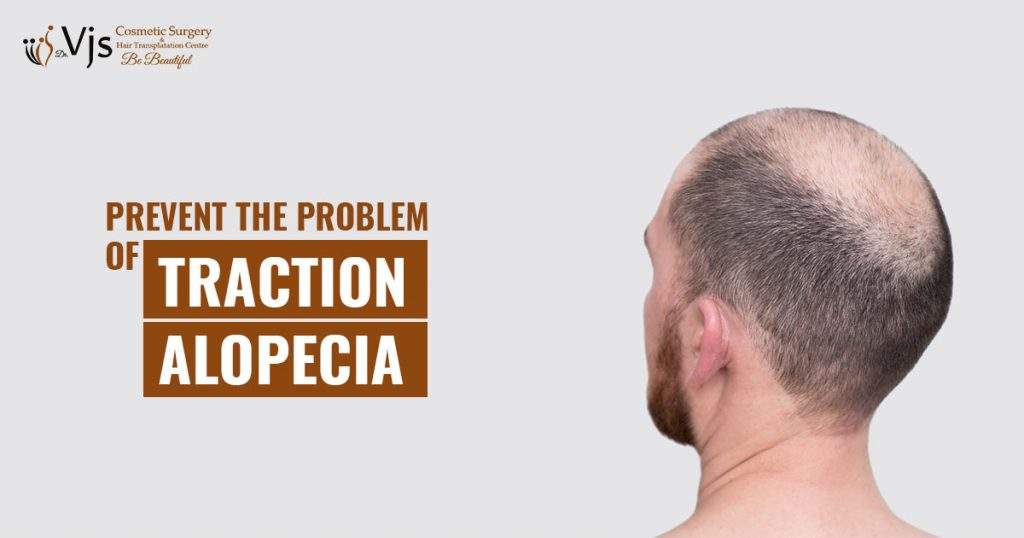
This is a type of hair loss which occurs because the hair is being pulled in the same direction for a long time. This problem can happen with any person who wears the hair tightly specially when it is pulled back whether it can be braids, ponytail, or dreadlocks. This problem can also occur when a person wears tight hear-wear every day.

Traction Alopecia In Sikh

In Sikh, the problem of traction alopecia is very common because the strain is put on the hair when they wear it very tight. The hair shafts get damaged because of the stress it put on the scalp. When the hair is pulled very tight it can put tension on the hair roots which can lead to scar tissue.

Signs of traction alopecia include:

  • Hairline starts receding around the forehead, temples, or nape
  • Small pimples appear on the scalp
  • Redness and itching on the scalp
  • The partnering increases
  • Patches of thin hair in places where the hair are in strain
  • Scarred skin in more advanced cases

In case, the problem is increasing or getting severe then you should seek help from our surgeon to get the best treatment of Hair Transplant in Visakhapatnam. When you consult the doctor they will diagnose your condition and according to that, the suitable treatment plan will be given to you.

Tips for preventing the Traction Alopecia

  • The best way to deal with the problem is by reliving the stress so that hair grows properly. But, the issue of scarring can lead to permanent alopecia which is skin condition like dermatitis and psoriasis. So, taking proper care is very essential.
  • Choose a turban which is of light type. You should use the material which is light. To secure the turban place it with a very less amount of pressure. You need to reduce the pressure on the hair so that the hair follicles do not lead to stressful conditions.
  • You should not wind the turban around the head very tightly. Use grips for securing it at the scalp back. This way the pressure will be reduced on the hair in the front. This is because, in the front, the problem of hair loss is very high.
  • You can make changes the hair you tie the turban. Keep in mind that when the stress on the hair is minimized it will solve the problem of hair loss.
  • Well, here wearing the turban is not a problem. You need to take proper care of the hair. Following a healthy hair care-regime will make the hair strong and it will not lead to any problem.
  • Make sure you comb the hair properly

Traction alopecia is a very common entity in Sikhs all over the world which accounts for millions in numbers. It is rarely discussed because it is conveniently hidden under the turban but hair loss and skin problems associated with it are a big problem issue amongst Sikhs and covering it under the turban does not take away their worries and stress due to hair loss.

The Thumb rule to stop Traction Alopecia is to detect it at an early stage and change your hairstyle that puts an unnecessary strain on hair that leads to permanent hair loss which will require hair transplant to be done as last option to treat hair loss as it can restore hair permanently.

Wearing a turban should not be a problem. The problem is not taking proper care of the hair. One should properly frequently comb hair, keep hair open and allow the hair roots to relax and breathe, tie loose knots, do not tie the turban too tight, buy light fabric while selecting turban as the weight of the extra fabric will put additional strain on the hair.

It is for you to decide to take the initial steps of prevention and if this is not feasible due to the late stage, opt for the right treatment at right time because time lost is hair loss. The amount of hair that goes with passing time may be impossible to retrieve. Act in time to save your hair.

Is Depression and antidepressant medications lead you to Hair Loss?

Is Depression and antidepressant medications lead you to Hair Loss?

Loading

Dr. VJs Cosmetic Surgery & Hair Transplantation Centre: Hair loss is the common scalp condition, which everyone faces once in his life. Sometimes, it can cure itself, but sometimes you need to go through medical procedures.

Is depression responsible for hair loss?

Yes, depression is responsible for hair loss in both genders. The main causes of depression are self-esteem, mood changes, and discouragement.  In addition to this, it affects your hair quality, or you may experience more hair thinning, breakage, and dandruff. This happens because depression affects the hormone levels which are important for the hair growth cycle. Stress and depression can lead to low or high levels of hormones, additionally, fluctuations in hormones cause excessive hair fall. Moreover, there is no such medicine which can treat your hair loss due to depression, only surgery can treat you. The hair transplant in Vizag is useful to treat your hair loss due to depression or mental stress.

Antidepressant medications and hair loss

Not everyone aware of it that antidepressant medications can cause hair loss in both sexes. The name of the medicine is Prozac and hair loss is the main side effect of this condition. Moreover, the type of hair fall which you experience due to antidepressant medications is telogen effluvium. In this type, your hair enters into the resting phase, which actually prevents hair growth. In this phase, you face more hair loss or hair thinning as well. In this situation, you need to visit a doctor because only he can suggest something in order to treat your hair condition due to depression medications.

Is hair loss due to depression permanent?

No, actually not, hair loss due to depression is not permanent. Some people recover after quitting the depression medication. But the majority of people can only treat their hair loss with the help of hair loss medications and hair transplants.

Ways to treat this type of hair loss

There are various ways to treat your hair fall condition such as hair transplant, lifestyle changes, consume a healthy diet, reduce stress and depression, and with the  help of some hair loss medications.

In which hair transplant is the best way to treat your hair fall condition. This hair transplantation procedure has two types include FUE and FUT. In order to go through this procedure, you need to visit our clinic. Only then we are able to tell you what type of procedure do you need to prevent hair loss. Moreover, you must also follow a healthy eating regimen because nutrition plays an important role in hair growth. So you must stick to a healthy diet and lifestyle also, otherwise, you may experience baldness.

Myths & Facts about Age limit for Hair Transplant

Myths & Facts about Age limit for Hair Transplant

Loading

When you start balding, you think of umpteen solutions to the problem. After rushing to the nearest cosmetics shop and shopping a bagful of products which claim to replenish your hair, you will feel somewhat comforted. But if these fail to work for you, then you might opt for some medicines. If the medicines too don’t yield any results, then it is advisable to opt for hair transplant in India.

 Let us see what makes for a suitable age for transplant:

  1. Anybody from the age group of 21 to 80 years can opt for it.
  2. The baldness is often caused by genetic reasons, so age is not a concern you should have in such cases.

Some misconceptions related to hair transplant


  1. Solution for hair loss

Most of the people look at it as the solution to their hair loss. But the truth is that it is more appropriately a preventive measure for balding.


  1. Cosmetic or medical?

Definitely, it deals with your cosmetic aspect but the procedure is purely medical. Firstly, you should never opt for it without the advice of your doctor. Secondly, it should be considered only when hair loss is extreme. While losing about 100 hair strands every day is a common process, more than that is a cause for concern.


  1. Different from wearing a wig: A transplant is something very different from wearing a wig. In the transplant, your own hair strands are extracted from the site with abundant hair and grafted onto the site with less hair.


  1. It is not gender- specific: The procedure is not gender -specific and both men and women can opt for it.


  1. Don’t rush into it too early: Definitely, age is not an issue but if the patient is experiencing hair loss too early in life, it is better to take the advice of a doctor. He may advise you to try out other measures before going for the transplant.


Reasons for hair fall

Losing your hair at a rapid pace may have some specific reasons like-

  1. Alopecia or male pattern baldness –It is a genetic condition in which men start losing their hair from the front to the back. It might start in men as early as 30 years.


  1. 2. Stress-Some people end up losing a lot of hair due to stress. They develop a hair loss cycle due to the emotional stress they have in their lives.


  1. After-effect of some medicines-Using certain medicines or suffering from diseases like jaundice can wreak havoc on your hair.


  1. Nutritional Deficiency –Lack of iron in the diet tells upon the health and the beauty of hair. The diet should be rich in protein, vitamin D and A.It should also contain Omega 3.


  1. Hairstyling –Extreme use of hair styling products can cause problems in the growth and texture of hair. It may lead to irreversible thinning of hair and decrease in its regeneration.
```html ```