
Gynecomastia: Causes, Evaluation, Treatment Options, Surgery and Risks
A Complete Guide to Gynecomastia Surgery
Gynecomastia is enlargement of male breast tissue caused by proliferation of glandular tissue, often related to changes in the balance or action of sex hormones. It can occur during infancy, puberty or adulthood and may also be associated with medicines, substances or certain medical conditions. Gynecomastia is different from pseudogynecomastia, where chest enlargement is mainly due to fatty tissue. Exercise or weight loss may reduce fatty tissue but does not reliably remove established glandular gynecomastia.
Many cases do not require surgery. Evaluation should consider the duration, symptoms, medicines and supplements, physical examination and possible underlying causes before treatment is selected.
Exercise and weight management can reduce chest fat when fatty tissue is the main contributor, but they do not reliably remove established glandular breast tissue. If chest enlargement persists, is tender, changes quickly or causes concern, the next step is a clinical assessment to distinguish gynecomastia from fatty tissue and other breast conditions.
Surgery is one possible option for selected patients with persistent gynecomastia, but it is not a default treatment and it should not be presented as a guaranteed way to restore confidence. The decision depends on the cause, duration, symptoms, anatomy, expectations and discussion of alternatives.
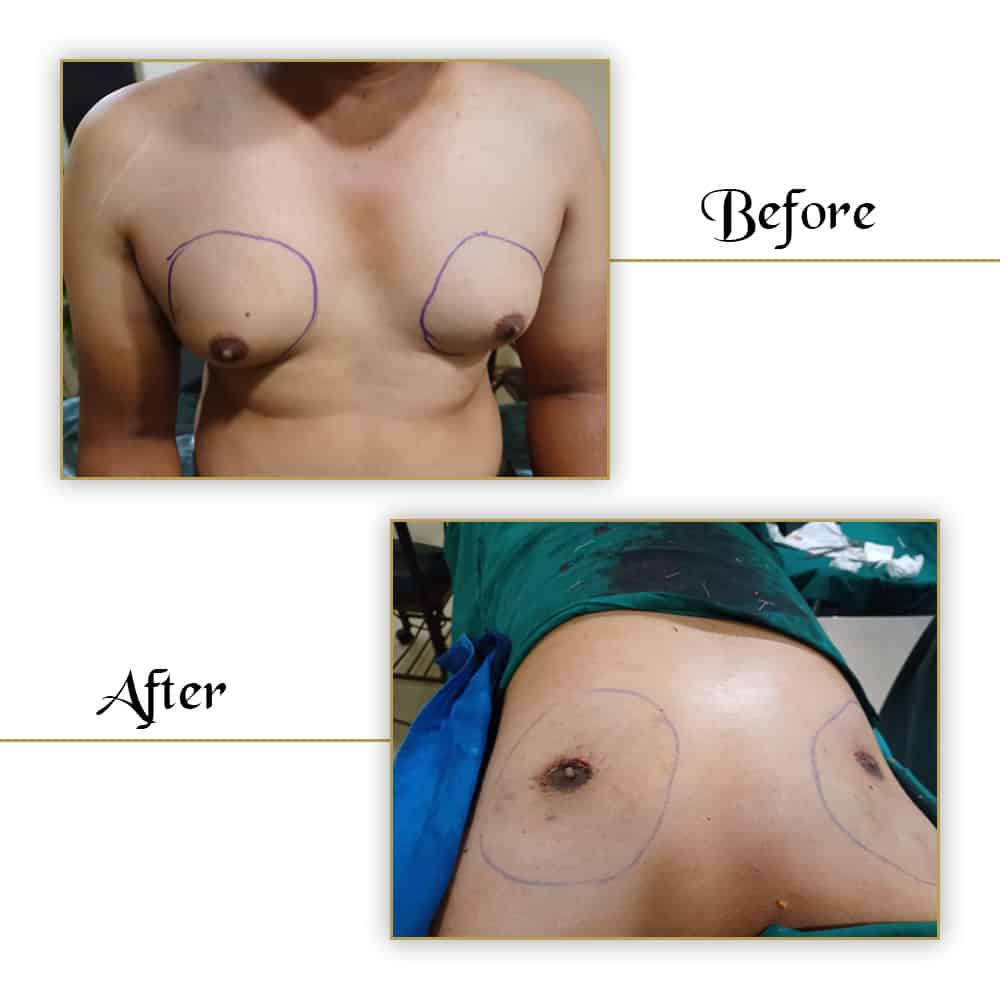
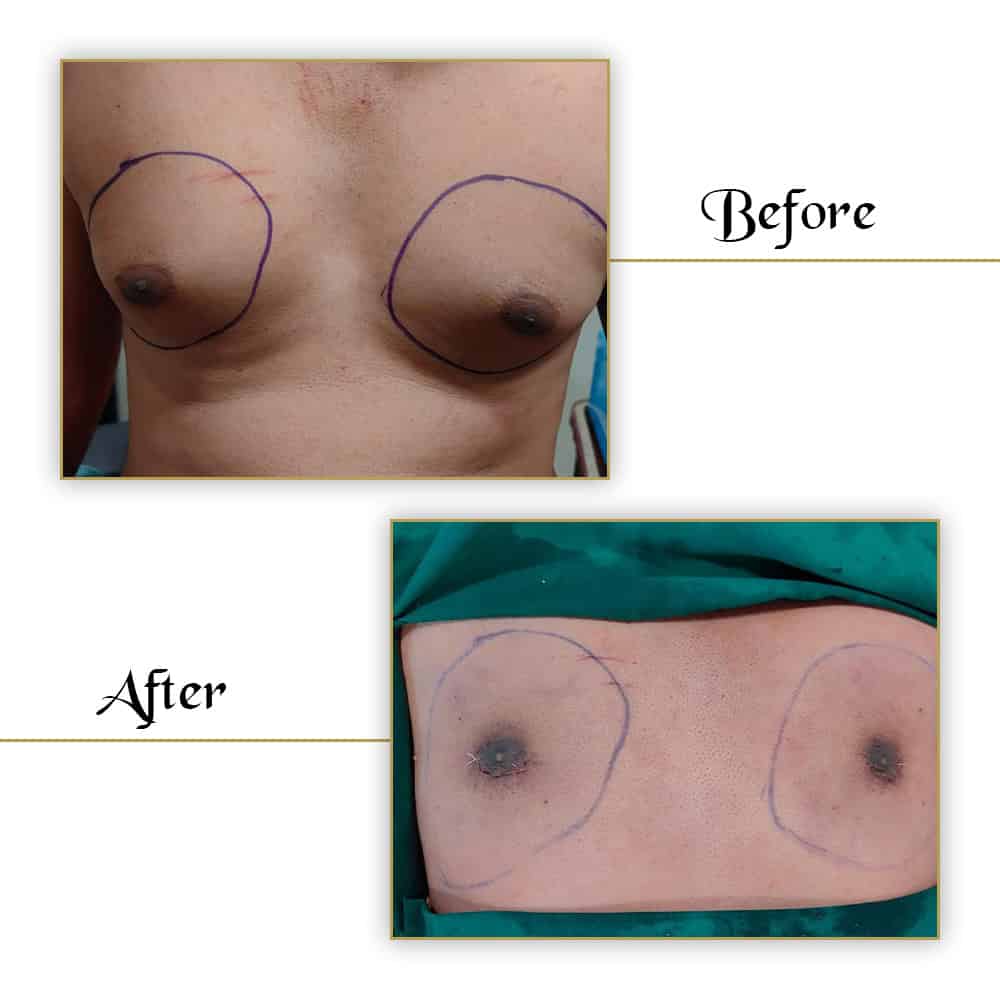
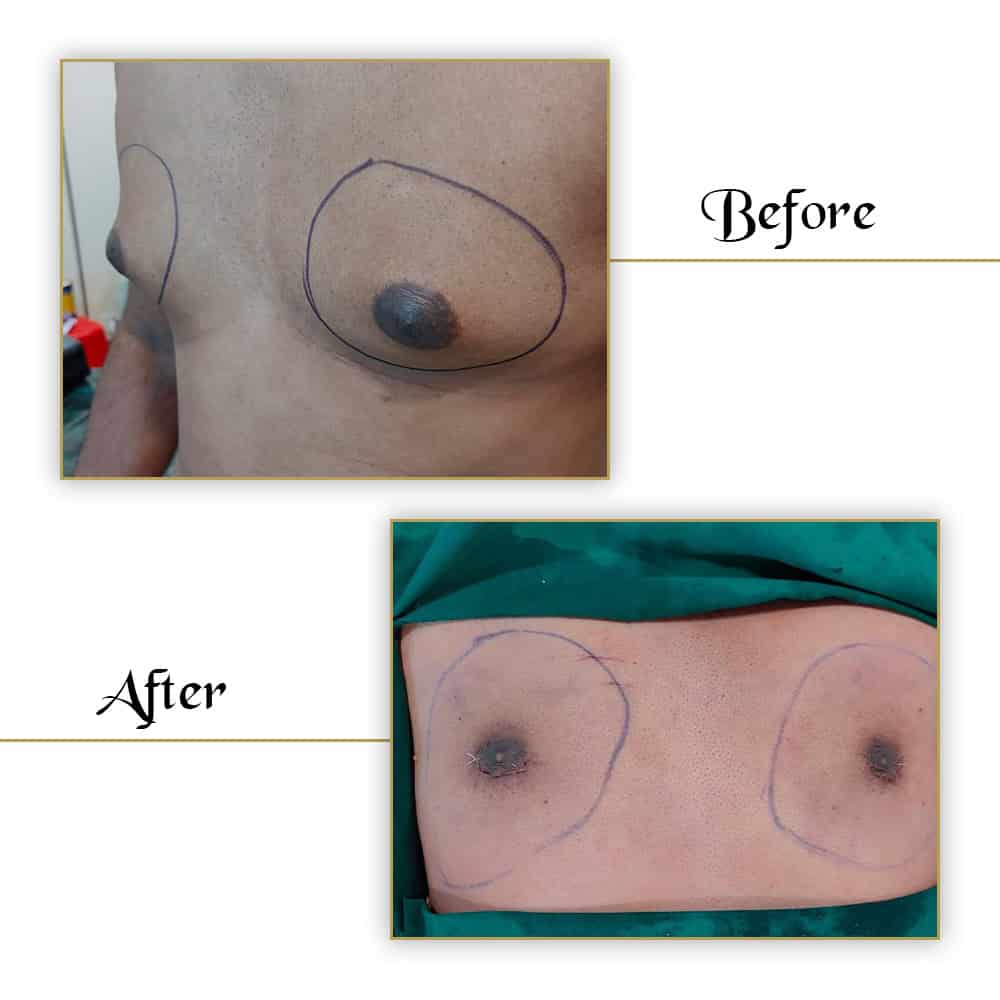
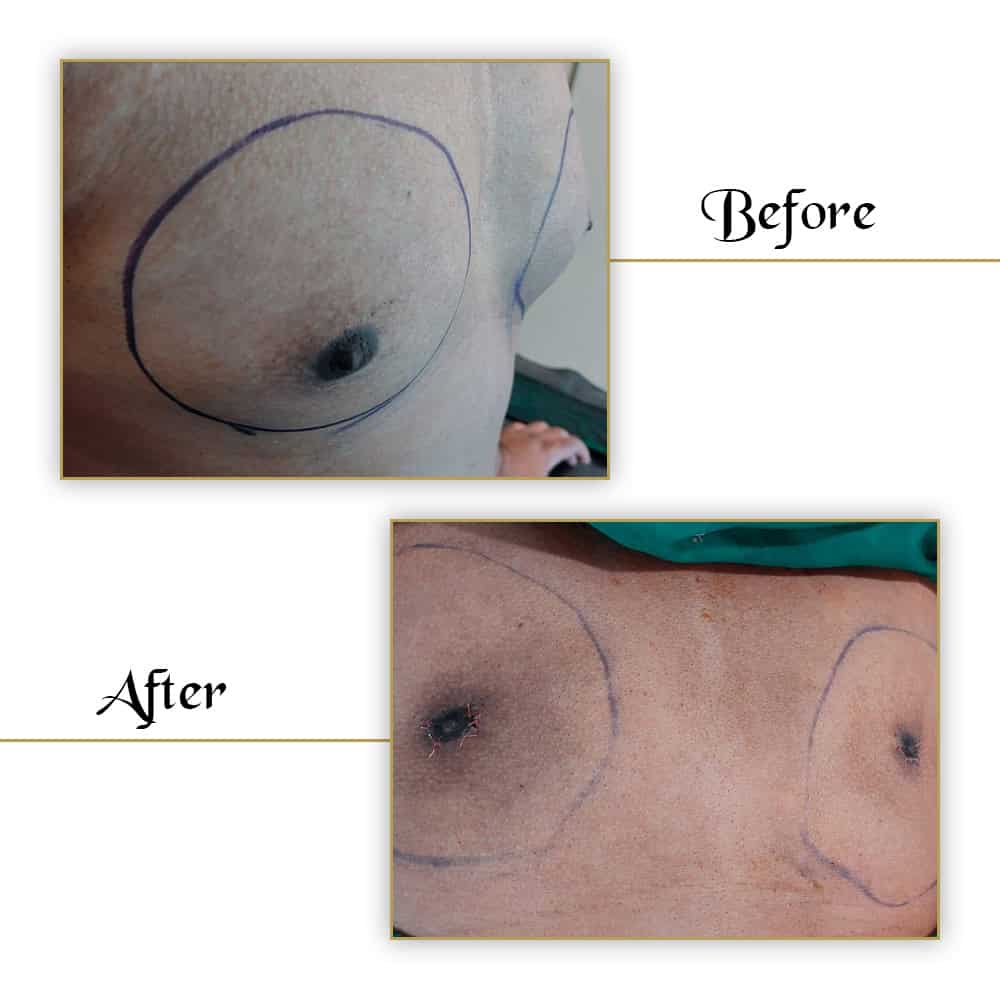
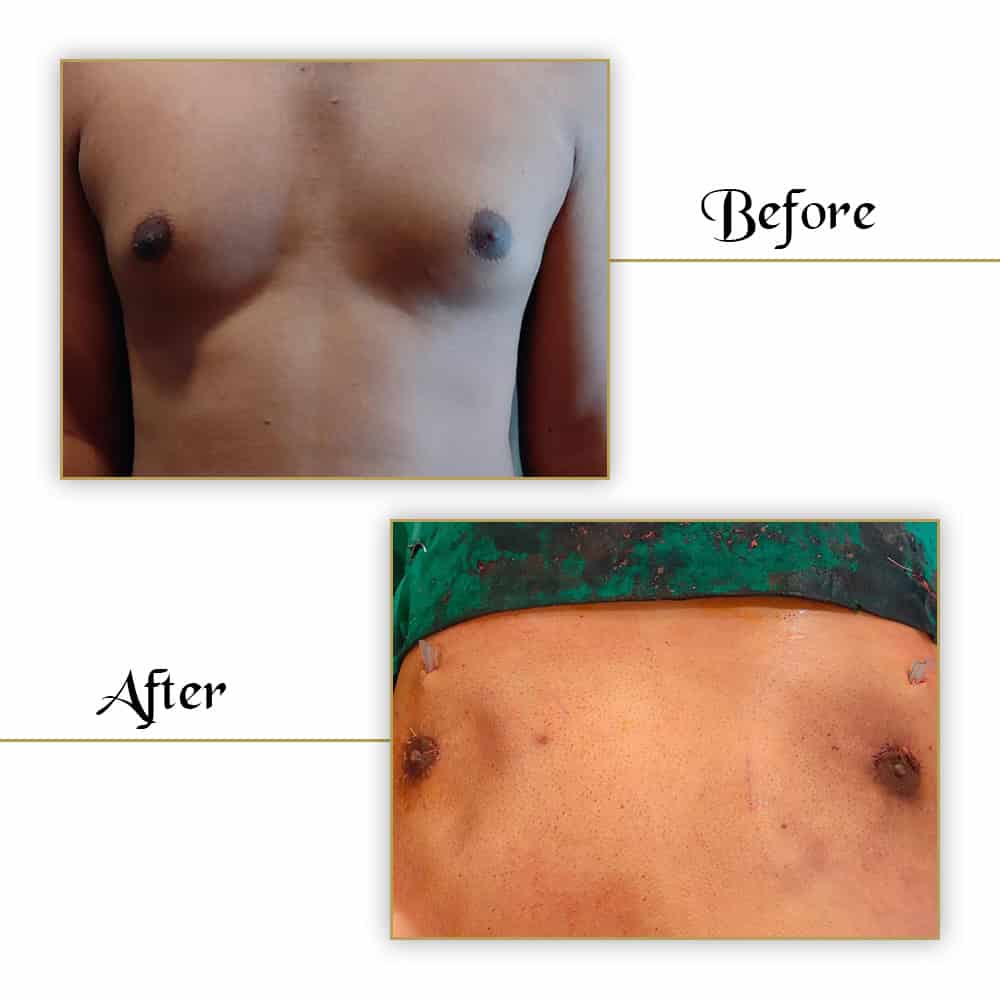
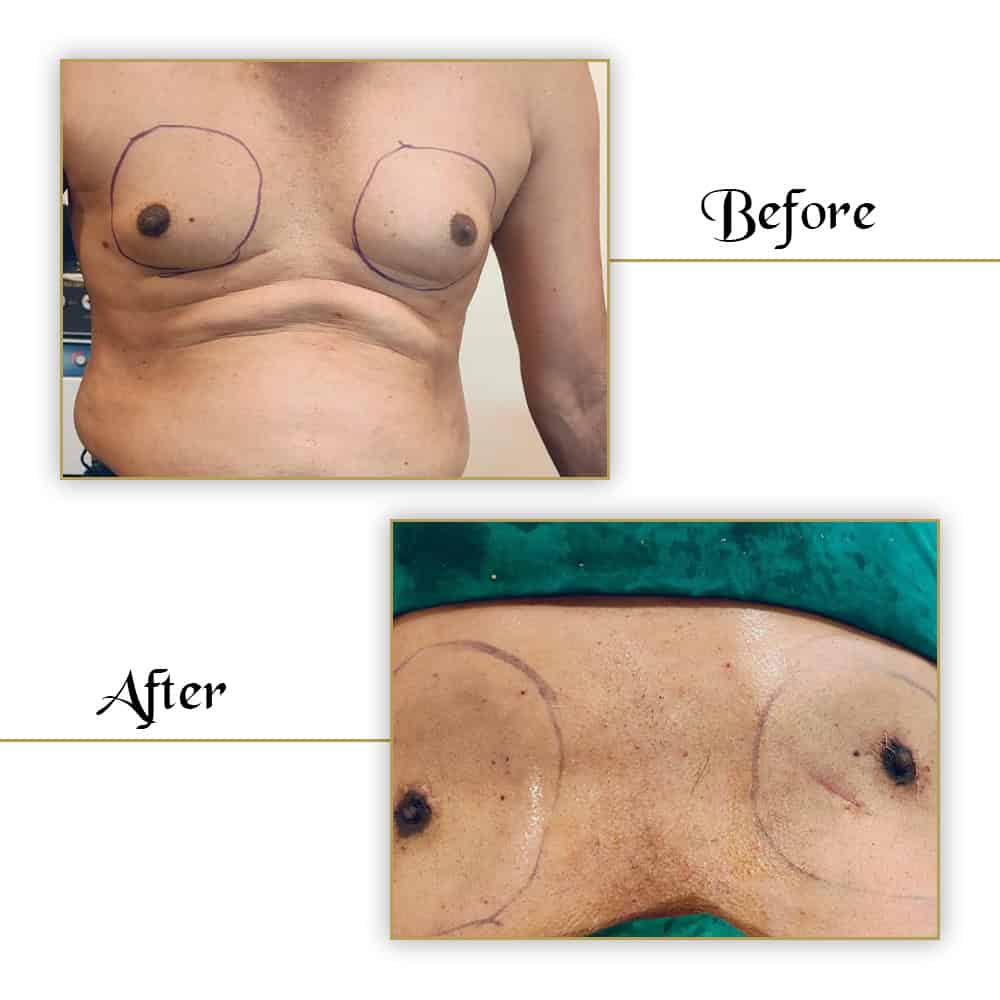
Gynecomastia Procedure Videos — Outcomes Vary
A Complete Guide To Gynecomastia Surgery In Vizag
Gynecomastia can occur during infancy, puberty and adulthood. The tissue may affect one or both sides and can be tender, particularly when it develops recently. In some people it is related to normal hormonal transitions; in others, medicines, anabolic steroids, alcohol or other substances, liver or kidney disease, thyroid disease, hypogonadism or less common endocrine causes may contribute.
True gynecomastia involves glandular breast tissue. Pseudogynecomastia refers mainly to fatty enlargement. The distinction matters because weight loss may change fatty tissue but does not reliably remove established glandular tissue. A clinician should assess new, persistent, painful or asymmetric enlargement before treatment is chosen.
Causes Of Gynecomastia
Age-Related Hormonal Changes
Testosterone levels can decline gradually with age in some men, but the term “andropause” can be misleading because there is no direct male equivalent of menopause. Symptoms such as reduced libido, fatigue or other hormonal concerns require individual assessment rather than being attributed automatically to age.
Age-related hormonal changes may contribute to gynecomastia in some cases, but breast enlargement can also have medication-related, metabolic, endocrine or other causes. New or persistent changes should be evaluated instead of assuming that lower testosterone is the explanation.
Puberty
Gynecomastia in Newborns
Medication-Related Gynecomastia
Medicines and Substances That May Be Associated With Gynecomastia
Several medicines and substances have been associated with gynecomastia. Examples include some anti-androgen medicines, spironolactone, certain antiretroviral therapies, anabolic steroids and other drugs that alter hormone action. The strength of the association varies by medicine and patient, and breast enlargement should not automatically be blamed on a drug without reviewing timing and other causes.
Bring a complete medication and supplement list to the consultation, including non-prescription products and performance-enhancing substances. Do not stop a prescribed medicine independently; if a medication is suspected, the prescribing clinician and the treating doctor should decide whether an alternative or dose change is appropriate.
Medical Conditions That Can Be Associated With Gynecomastia
Conditions that may contribute to gynecomastia
- Hypogonadism: disorders that reduce testosterone production or action can alter the hormonal environment of breast tissue.
- Thyroid disease: hyperthyroidism can be associated with gynecomastia in some patients.
- Liver or kidney disease: chronic illness can change hormone metabolism and may contribute in selected cases.
- Hormone-producing tumours: uncommon tumours involving the testes, adrenal glands or other endocrine tissues can alter hormone levels.
These conditions are not present in most people with gynecomastia, and broad percentage claims should not be applied to everyone. Testing should be guided by the history, examination and clinical suspicion rather than ordered identically for every patient.
Symptoms of Gynecomastia
Gynecomastia commonly presents as enlargement or a rubbery/firm area of breast tissue beneath or around the nipple and may be tender, particularly when it develops recently.
Hard or fixed lumps, skin dimpling, nipple retraction, nipple discharge—especially bloody discharge—or enlarged lymph nodes are not typical features to ignore and should receive medical assessment. A clinician can determine whether the enlargement is gynecomastia, fatty tissue or another breast condition before discussing surgery.
How Duration and Tissue Characteristics Affect Assessment
Doctors sometimes describe gynecomastia by how long the tissue has been present and by whether it feels more active or more fibrotic, but rigid month-based “stages” are not a reliable way to decide treatment for every patient.
Recent, tender enlargement may behave differently from long-standing firmer tissue. The practical questions are the likely cause, whether the enlargement is stable, whether there are warning signs, how much glandular versus fatty tissue is present, and what the patient hopes to achieve. Those factors are more useful for treatment planning than assigning a fixed stage from duration alone.

How Gynecomastia Is Evaluated
Evaluation starts with history and examination rather than a single test. The clinician should ask when the enlargement began, whether it is tender or changing, and about prescription medicines, supplements, anabolic steroids, alcohol or recreational drugs. Examination helps distinguish glandular tissue from mainly fatty fullness and looks for asymmetry, a discrete lump, skin or nipple changes, or findings that may suggest an endocrine or testicular cause.
Blood tests or breast imaging are not automatically required for every patient. They may be recommended when the history or examination leaves the cause uncertain or raises concern for another condition. Any hard fixed lump, nipple discharge, skin retraction or unexplained lymph-node enlargement should be medically assessed before cosmetic treatment is considered.
Treatment for Gynecomastia
Treatment depends on the cause, duration, symptoms and how much the condition affects the patient. Some cases—especially those related to puberty or a reversible cause—may improve with observation or by addressing an underlying medical or medication-related factor. Surgery is not automatically required for every person with gynecomastia.
Surgery: For persistent glandular tissue or chest contour concerns, surgery may use liposuction, direct excision of glandular tissue, or both. The technique depends on the amount of fat and gland, skin excess, nipple position and treatment goals.
Medicines: Medicines are not a universal treatment for gynecomastia. In selected recent or painful cases, a clinician may consider medical treatment after assessing the cause, benefits, risks and available evidence. Do not start or stop hormone-related or prescription medicines without medical advice.
Addressing an underlying cause: When gynecomastia is associated with a medicine, substance or medical condition, management may include reviewing that factor with the appropriate clinician.

Preparation for Gynecomastia Surgery in Vizag
If surgery is being considered, preparation should follow individualized instructions from the treating team. You can also review liposuction as a body-contouring technique because liposuction may be used when fatty tissue contributes to chest fullness, while glandular gynecomastia may require direct excision or a combined approach. Patients seeking location-specific consultation information can review gynecomastia surgery in Kakinada or gynecomastia surgery in Tirupati, and can contact VJ Clinics for current appointment details.
- Choose a clinician whose qualifications, training and role in the procedure are clear, and use the consultation to ask about alternatives, scars, recovery and complications.
- Follow the anaesthesia and fasting instructions given specifically for your procedure. Fasting requirements vary with the anaesthesia plan; do not use a generic time rule if your surgical team has given different instructions.
- Tell the team about all prescription medicines, over-the-counter drugs, supplements, allergies, smoking and alcohol use. Do not stop prescribed medicines, aspirin, anticoagulants or antiplatelet drugs unless the prescribing clinician and surgical team specifically advise you to do so.
- Arrange transport and postoperative support if advised, and follow the clinic’s written instructions for compression garments, wound care, activity and follow-up.
How Gynecomastia Surgery Is Planned
Gynecomastia surgery is an individualised chest-contouring procedure for persistent glandular tissue, fatty tissue, skin excess or a combination of these. Depending on the anatomy and treatment plan, the operation may use liposuction, direct excision, skin removal or combined techniques under an appropriate anaesthesia plan. Procedure duration varies with the extent and complexity of surgery.
The aim is to improve chest contour while balancing scar placement, nipple position, tissue removal and skin quality. Surgery is not necessarily a one-time solution for every patient, and no particular contour or permanence can be guaranteed.

Preparing Safely for Gynecomastia Surgery
Preparation should follow the individual instructions provided by the surgical and anaesthesia teams. Tell them about all medicines, supplements, smoking, alcohol use and medical conditions. Do not stop aspirin, anticoagulants, antiplatelet medicines or other prescriptions on your own; changes should be coordinated with the prescribing clinician and surgical team. The team may also advise temporary changes to smoking, alcohol, skin care, exercise or other habits depending on your procedure and health.
Potential Benefits of Gynecomastia Surgery
Gynecomastia surgery can reduce excess glandular tissue and fat and may improve chest contour in appropriately selected patients. Some people also report less tenderness or physical discomfort and greater comfort with clothing or activity. These benefits vary, and surgery cannot guarantee a particular appearance, confidence level or social outcome.
Risks and Possible Complications of Gynecomastia Surgery
Gynecomastia surgery, like any operation, has potential risks. These can include bleeding or haematoma, infection, fluid collection, contour or nipple asymmetry, visible or widened scars, changes in nipple or skin sensation, wound-healing problems, skin irregularity, under-correction, over-correction and the possible need for revision.
Removal of glandular tissue can provide a long-lasting contour change, but recurrence or new enlargement can occur if an underlying hormonal, medication-related, substance-related or medical cause persists or develops later. Results therefore should not be described as guaranteed or permanent for every patient.
Blogs

Gynecomastia: Common Myths, Causes and When Treatment Is Needed

Gynecomastia is enlargement of glandular breast tissue in males. Learn what causes it, what exercise cannot fix, and when observation, medical review or surgery may be appropriate.
Gynecomastia: Causes, Assessment, Treatment Options and Surgery Considerations
Gynecomastia is enlargement of glandular breast tissue in males and is different from chest fat alone. Learn about causes, assessment, treatment options, surgery considerations and when medical review is important.

What Is Gynecomastia, And Role Of Celebrities In Bringing Light To Gynecomastia?
Gynecomastia is referred to as the enlargement of the breast in males. The topic has recently gained popularity after men have known that some celebrities also have gone through Gynecomastia.