Mesotherapy for Hair Loss: Evidence, Limitations and Risks
Video
Mesotherapy in India
Mesotherapy is a general term for injecting small amounts of substances into or just beneath the skin. For hair loss, different clinics may use different mixtures of medicines, vitamins or other ingredients, so there is no single standardized mesotherapy formula.
Research on mesotherapy for androgenetic alopecia is still limited and treatment protocols vary. It should not be described as a magical, painless, universally safe or more effective option than established hair-loss medicines.
Before considering mesotherapy, the type and cause of hair loss should be diagnosed and the exact injected ingredients, evidence, potential adverse effects, expected number of sessions and alternatives should be explained.
WHO CAN GET THIS TREATMENT ?
Mesotherapy is not automatically suitable for every age, every sex or every form of hair loss. Patchy loss, sudden shedding, scarring alopecia and pattern hair loss can have different causes and require different treatment.
A scalp and medical assessment should come first. Depending on the diagnosis, established options may include observation, treatment of an underlying condition, minoxidil, other prescription medicines, PRP in selected cases or hair transplantation. Mesotherapy should only be considered after its uncertain benefits and possible risks are discussed.

Procedure
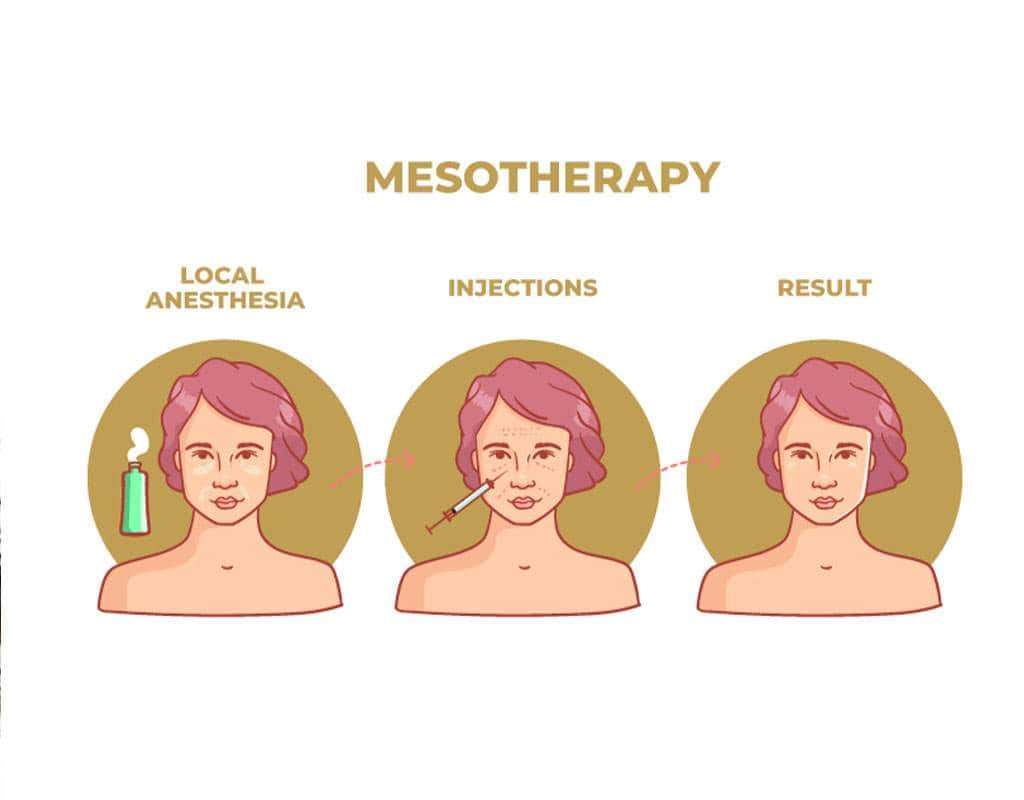
For scalp mesotherapy, small intradermal injections are placed into selected areas. The ingredients and injection technique vary, which is one reason results from different studies cannot be assumed to apply to every mesotherapy product or clinic protocol.
The procedure involves needles and should not be described as painless or non-invasive. Reported adverse effects include pain, swelling, bruising, allergic or inflammatory reactions, infection and, rarely, scarring or worsening hair loss depending on the injected substance and technique.
There is no established evidence that a mesotherapy “cocktail” universally neutralizes DHT, permanently preserves follicles or restores a full head of hair. Session number and interval should not be presented as a guaranteed 4–5 treatment formula.
How to Maintain Hair After Therapy?
Hair maintenance depends on the underlying diagnosis. General health, adequate nutrition and avoiding damaging hair practices can support hair and scalp health, but they do not guarantee that mesotherapy will work or prevent progression of genetic or inflammatory hair loss.
Follow-up should assess response and adverse effects and reconsider the diagnosis or treatment plan if shedding continues. Patients should avoid products or procedures that promise guaranteed regrowth or claim to work for every type of hair loss.
Results
Related Posts

What Is Phalloplasty? What Are The Techniques Of Phalloplasty?
![]()
Phalloplasty is a common surgical choice for transgender or non-binary people who are interested in gender confirmation surgery for the construction or reconstruction of penises. The main goal of phalloplasty

Why is vaginoplasty Performed? Who Can Undergo Vaginoplasty?
![]()
Vaginoplasty is a medical procedure to create or repair a vagina; it is a treatment to resolve various medical issues, including vaginal injuries. You can do vaginoplasty for both functional