
Hair Loss

Hair Fall and Hair Loss Treatment & Everything You Need to Know
Hair shedding and visible thinning can have many causes, and the pattern should be assessed before treatment is chosen. Common possibilities include androgenetic alopecia, telogen effluvium, alopecia areata, traction-related loss, scalp inflammation, nutritional or thyroid-related factors, medication effects and other medical conditions.
A useful evaluation looks at when the problem started, whether the loss is gradual or sudden, scalp symptoms, family history, recent illness, weight change, grooming practices, medicines and supplements. Some people need only observation and scalp care, while others may benefit from medical treatment, procedure-based options or hair-transplant assessment. No treatment can guarantee complete regrowth, and surgery is not suitable for every diagnosis.
For sex-specific patterns, see our guides to hair loss in men and hair loss in women. For an individual assessment, use the contact page.
How the public views Hair Fall
Daily shedding varies from person to person and cannot be diagnosed accurately by a single strand-count threshold. What matters more is a change from your usual pattern, visible thinning, widening of the part, patchy loss, scalp symptoms or shedding that persists.
Sudden patchy loss, scalp redness or scarring, eyebrow or beard involvement, or hair loss accompanied by other symptoms deserves clinical evaluation. Gradual patterned thinning is usually not a medical emergency, but earlier assessment can help identify causes and set realistic treatment goals.

Possible causes of hair loss in men
These do not differ from the general types of hair loss. So they can be presented as below;
It is also known as patchy hair loss and it is where small and smooth patches occur on the scalp or any other part of the body like the eyebrows. It is termed as an autoimmune condition and can be divided into alopecia monolocularis, alopecia totalis, and alopecia Universalis. If you have this type of hair loss, get the hair fall problem solution in Vizag from an experienced medical expert to ensure the condition doesn’t get worse with time.
2. Androgenetic Alopecia
Androgenetic alopecia, also called male-pattern or female-pattern hair loss, causes progressive thinning in genetically susceptible people. Men often notice recession at the temples or thinning at the crown, while women more commonly develop reduced density across the top of the scalp. The rate of progression varies and the condition is not usually a medical emergency.
Treatment decisions should consider age, pattern, medical history, future progression and, if surgery is discussed, the available donor supply. No medication or procedure can promise full restoration of previous density.
3. Involutional Alopecia
Age-related and pattern hair loss can involve gradual thinning, reduced density and changes in the hair-growth cycle, but the pattern should not be assumed from age alone. If thinning begins early, progresses quickly or is accompanied by scalp symptoms, a clinical assessment can help identify the cause and clarify whether observation, medical treatment or another approach is appropriate.
4. Telogen Effluvium
Telogen effluvium is a form of increased shedding that can follow triggers such as major illness, surgery, childbirth, significant weight change, psychological stress, nutritional deficiency or certain medicines. It is often temporary, but recovery depends on the cause and may take months. Persistent shedding, scalp symptoms or an unclear trigger should be assessed rather than assuming the hair will fully return on its own.
5. Trichotillomania
Trichotillomania is a hair-pulling disorder in which recurrent urges or pulling behavior can cause patchy or irregular hair loss. It should not be framed as a cosmetic habit or a sign of being timid or nervous. Management may involve behavioral or mental-health support, alongside scalp assessment when diagnosis is uncertain.
6. Traction Alopecia
Traction alopecia can develop when hairstyles or attachments repeatedly place tension on the same follicles. It can affect people of any gender. Early cases may improve after reducing traction, but long-standing tension can lead to permanent follicle damage. Tenderness, bumps, broken hairs or thinning along the hairline are reasons to review styling practices and seek assessment if the changes persist.
7. Scarring Alopecia
Scarring alopecia describes a group of disorders in which inflammation damages hair follicles and replaces them with scar tissue. It is uncommon but important to identify because some forms can cause irreversible loss if active inflammation continues. Symptoms such as scalp pain, burning, redness, scale or rapidly expanding areas of loss should be assessed promptly.
8. Tinea Capitis
Tinea capitis is a fungal infection of the scalp that can cause scaling, broken hairs and patchy hair loss. It is more common in children but can also occur in adults. Because treatment is medical rather than cosmetic, suspected infection should be evaluated before any hair-restoration procedure is considered.
Different causes of hair loss require different management. A diagnosis should come before treatment selection, and no clinician can promise that every type of hair loss will be fully reversed.
Video
Phases of our hair
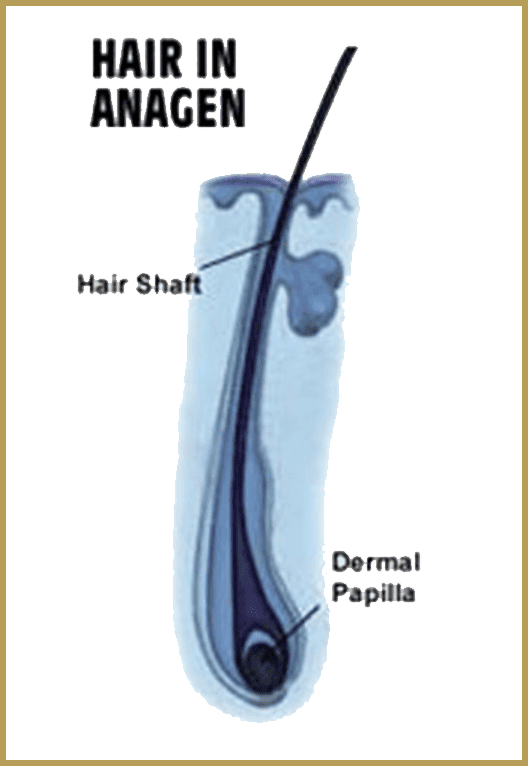
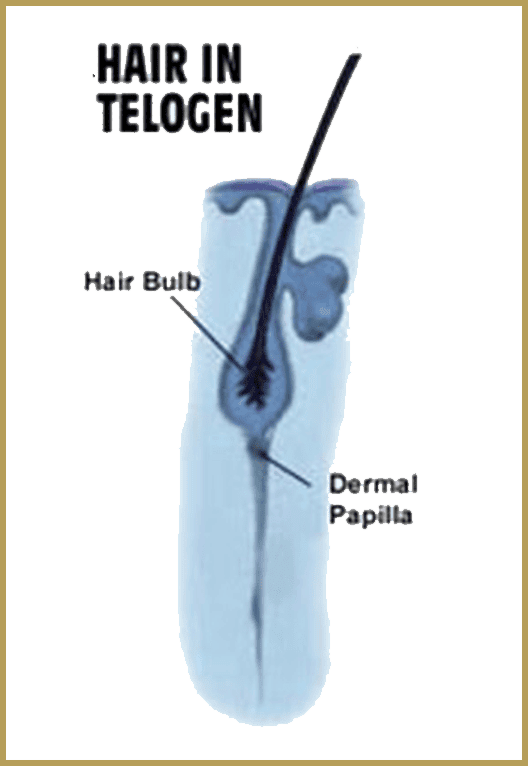
Hair follicles cycle through growth, transition and resting/shedding phases; individual follicles are not synchronized, so some hairs grow while others rest or shed at the same time. The duration of each phase varies by person, body site and health factors, which is why a single fixed “lifespan” should not be used to diagnose hair loss.
The resting phase of the hair cycle is called telogen. After this period, a hair may shed as the follicle begins another cycle. Increased shedding can occur when more follicles enter telogen after illness, childbirth, major stress, nutritional problems or other triggers. Persistent or unexplained shedding should be assessed rather than treated with unproven home remedies.
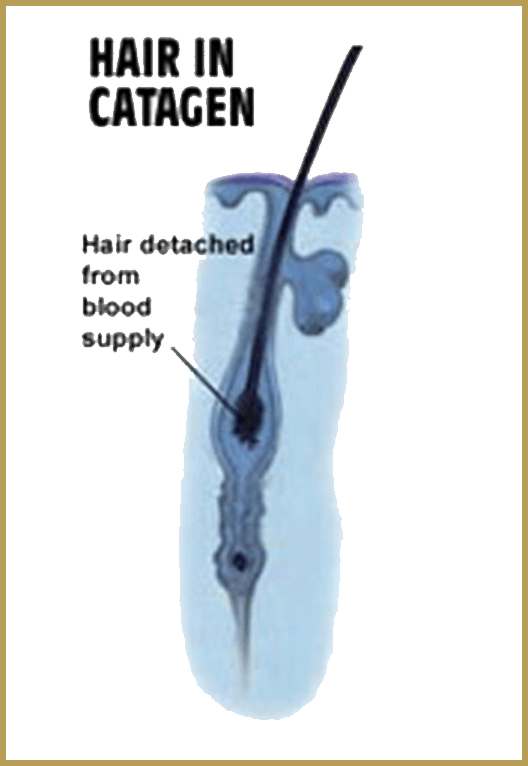
It is the period where the Anagen phase closes and a club of hair is created
It is the most active phase of the hair characterized by rapid growth of hair follicles. The rate of hair growth differs from individual to individual
Hair Loss Assessment Criterion at VJ clinics Andhra Pradesh
A variety of steps are considered for assessing your hair loss level, among which includes;
- Patient’s Medical History
The use of anabolic steroids, antidepressants, and illicit drugs is one of the major risk factors for future hair loss. A poor health condition in the early years with underlying medical conditions are also major triggers for hair loss among men and women. Disclosing your medical history by answering various questions can help in effective hair loss assessment
- Scalp Biopsy
A scalp biopsy is not a routine test for every person with hair loss. It may be considered when the diagnosis remains uncertain, especially if scarring alopecia, an inflammatory scalp disorder or another condition affecting the follicles is suspected. A small scalp sample is examined by a qualified laboratory or pathology service, and the decision to biopsy should follow clinical assessment.
- Photographic Evaluation
Photographic evaluation before hair loss treatment is an ideal approach in analyzing the extent of hair loss in a patient. During this procedure, scalp images of your scalp are taken and in case you possess any images of your scalp in the past, it is important that you disclose them to the doctor for proper assessment. A photographic evaluation is also utilized during hair loss treatment, especially with the help of therapies, Minoxidil, and Finasteride
- Hair Analysis Test
This test requires taking your hair sample and studied under a microscope. This hair assessment approach helps in the examination of the hair components/characteristics and the extent of damage in the case of chemical burns. This technique is also common in the detection of drugs in humans
- Blood Tests
Blood tests are selected according to the history and examination rather than ordered automatically for everyone with hair loss. When clinically appropriate, testing may help investigate concerns such as thyroid dysfunction, iron deficiency or other nutritional and systemic factors. Scalp infections are usually assessed through examination and, when needed, targeted microbiological testing rather than a generic blood panel.
- Physical Examination
A scalp and hair examination looks at the distribution of thinning, follicle openings, broken hairs, scale, redness, scarring and other visible clues. The clinician may also review the hairline, crown, part width, donor areas and relevant body-hair or nail findings. Examination is combined with medical history; photographs, dermoscopy or selected tests may be added when they would change the diagnosis or treatment plan.
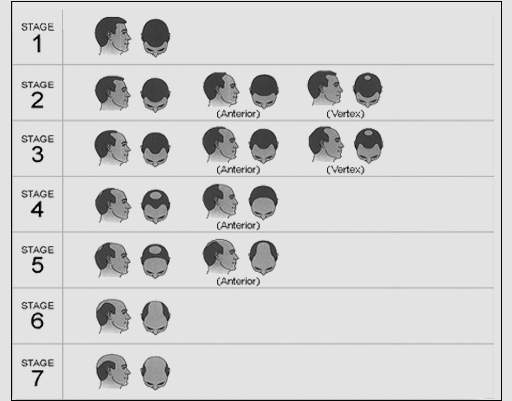
Causes of Hair loss in Men
Men are more prone to baldness than women, and commonly, onset hair loss in men is characterized by a receding hairline. This male pattern hair loss will continue shifting the frontal hairline and leads to the formation of corners/edges. In the later stages, hair loss extends to the crown and temple regions which lastly forms a bald patch. Apart from androgenetic alopecia, which is generally genetically triggered, men lose their hair because of the following reasons;
- Use of testosterone supplements
- Use of anabolic drugs
- Antidepressants
- Mood stabilizers
- Hypothyroidism
- Chemical injuries
- Infectious diseases
- Stress
- Iron deficiency anaemia
- Chemical exposure
![[Image is relevant, showing hair thinning and hair loss progression in women, related to hair health treatments and scalp care.].](https://vjclinics.com/wp-content/uploads/2023/08/losss.jpg)
Causes of Hair loss in Women
Though losing less than 100 hair strands in a day is regarded as normal, the situation may raise a catastrophe in some women. Increased hair fall “on a daily basis” may result in baldness in the case taken for granted. Possible causes of hair loss in women include;
- Prolonged stress
- Genetics or genetic disorders
- Hypothyroidism
- Facial plastic surgeries
- Infectious diseases such as leprosy, tuberculosis, and herpes
- Anemia
- A strict diet
- Menopause
- Skin diseases, i.e. Seborrheic dermatitis, Lichen Planus, and follicle infection
- Chemical injuries- these include acid burns, sunburns, and physical trauma from surgery or an accident
- Poor styling methods
- Tight hairstyles
Hair Loss or Hair Fall Treatment in India
Treatment should be based on the diagnosis rather than on the degree of visible thinning alone. Depending on the cause, options may include observation, changes to hair-care practices, treatment of an underlying medical problem, selected medicines, camouflage approaches, procedure-based therapies or hair transplantation.
A transplant does not treat every cause of hair loss and should not be offered while an inflammatory or unstable condition is active. Medicines such as minoxidil or finasteride may be considered in selected patients, but prescription treatment should be started, stopped or changed only after clinical review of benefits, contraindications and possible adverse effects.
Procedure-based options such as PRP or mesotherapy also have diagnosis-specific evidence and limitations; they should not be presented as guaranteed hair-restoration methods.