
Bio FUE Hair Transplant Procedure, Benefits & Cost
FUE With Platelet-Based Adjuncts: What the Term “Bio-FUE” Means
FUE is a hair-transplant harvesting method in which follicular units are removed individually from the donor area and transplanted into planned recipient sites. The term “Bio-FUE” is used by some clinics when FUE is combined with a platelet-based or other biologic adjunct, but it is not a separate universally standardised transplant technique.
An adjunct should not be described as making FUE superior, scarless, permanent, or guaranteed to produce faster growth. Planning still depends on the diagnosis, donor density, hair calibre, future hair-loss pattern and the number of grafts that can be removed without over-harvesting. Patients comparing options can review the FUE guide, the broader hair-transplant overview, and discuss individual suitability before deciding on treatment.
Bio FUE Procedure in Visakhapatnam
When FUE is combined with a platelet-based adjunct, the transplant itself is still performed as FUE: follicular units are harvested individually, preserved during handling, and implanted into recipient sites planned for angle, direction and density. If a platelet preparation is used, it is obtained from the patient’s blood and prepared according to the treating clinician’s protocol.
Evidence for platelet-based adjuncts in hair restoration is evolving, and they should not be promised to improve graft survival, accelerate healing, increase density or strengthen every existing follicle. The main surgical risks remain those of FUE, including bleeding, infection, temporary shedding, visible dot-like scarring, uneven density and donor over-harvesting. A consultation should clarify what adjunct is being proposed, why it is being used, what evidence supports it and whether it changes the cost.
For questions about diagnosis, donor planning or follow-up in Visakhapatnam, patients can review the doctor profile and use the contact page to confirm the actual treatment plan.
Video
Who May Be Considered for FUE?
Suitability for FUE is determined by the pattern and cause of hair loss, donor density, hair calibre, scalp condition, medical history and long-term expectations—not by a desire for a particular branded technique. FUE may be considered when individual follicular-unit extraction is appropriate for the donor area and the planned recipient coverage.
FUE is not scarless. Small extraction scars can remain and may become more visible with very short hairstyles, especially if the donor area is over-harvested. Limited donor supply is a reason for careful conservation, not a reason to promise that FUE or an adjunct can create additional donor hair.
Patients should disclose prescription medicines, supplements, nicotine use and relevant medical conditions during assessment. Prescription medicines should not be stopped or changed without guidance from the clinician who manages them.
Potential Role and Limitations of Platelet-Based Adjuncts
Platelet-based preparations are used as an adjunct in some hair-restoration practices, but their role should be described cautiously. They do not create new donor follicles and should not be promoted as guaranteeing faster healing, greater density, better texture or a permanent result.
The expected outcome of a transplant is influenced far more directly by diagnosis, donor supply, graft handling, recipient-site planning, surgical execution, wound healing and progression of untreated hair loss. Patients should ask whether an adjunct is optional, what evidence supports its use in their case, what additional risks or discomfort it may involve, and whether it adds to the treatment cost.
For a diagnosis-led plan rather than a package comparison, review the hair-transplant overview and contact the clinic for an individual assessment.
Results
Related Posts

Does Lipoma Removal Lead to Large Scars and Recurrence?

Most individuals might not be aware of the term “lipoma”; if you are one of them as well, then you might understand this term through its specific symptoms. Feeling a
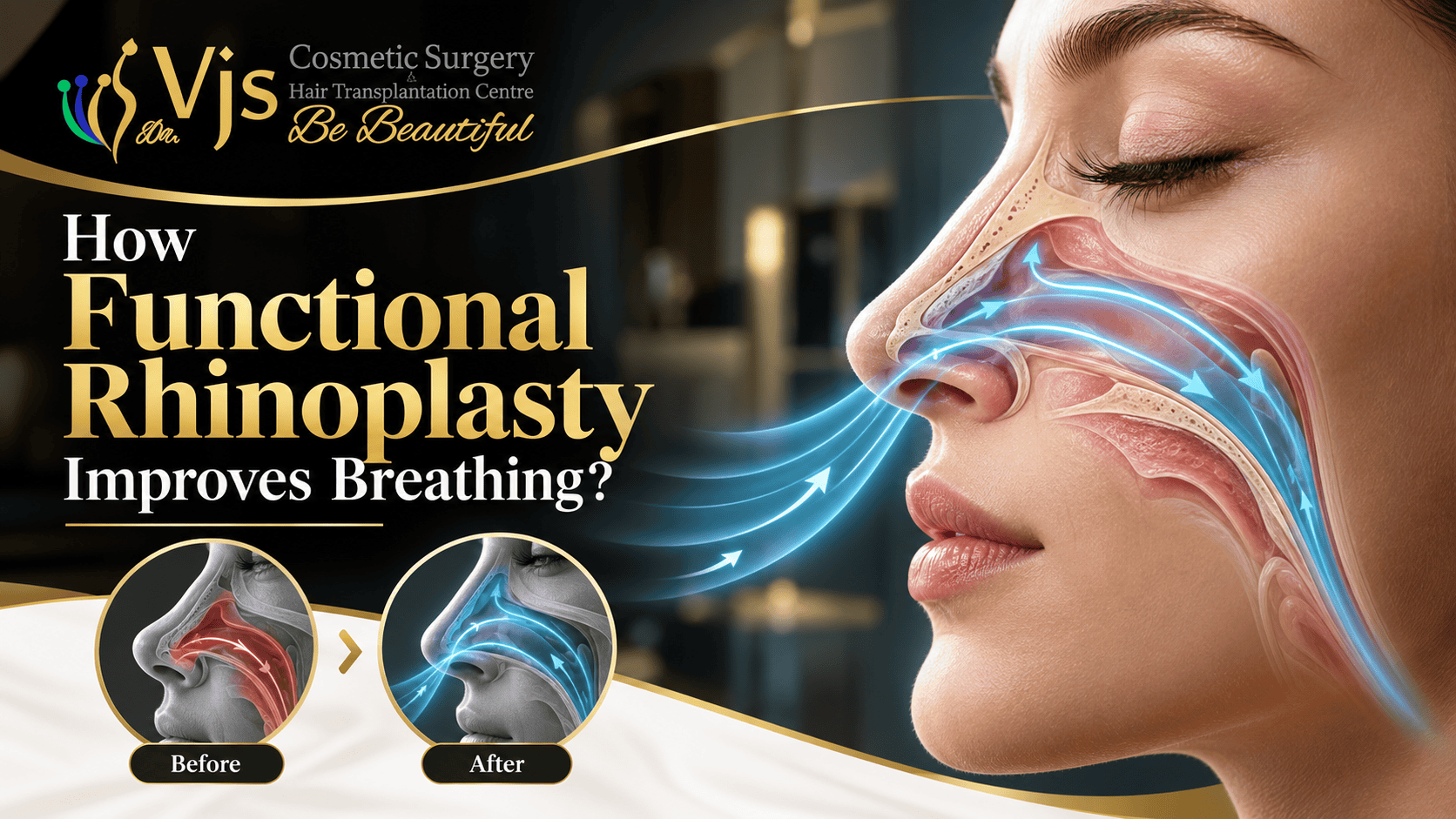
How Functional Rhinoplasty Improves Breathing?
Functional Rhinoplasty is a type of surgery that works to improve airflow through the nasal passages while fixing nasal obstructions such as septal deviation, nasal valve collapse, turbinate enlargement and