
GFC Therapy in Vizag
Video
Related Hair-Loss Resources
Before choosing an injectable or surgical option, review the main hair-loss guide to understand common causes and the importance of diagnosis. Patients comparing surgical restoration can also read about hair transplant assessment and donor planning. For location-specific GFC information, see GFC treatment in Kakinada or GFC treatment in Tirupati. For current consultation details, contact VJ Clinics.
All You Need to Know About GFC Therapy
Hair loss can have many causes, including androgenetic alopecia, telogen effluvium, alopecia areata, nutritional or medical factors and scarring disorders. Stress or diet may contribute in some cases, but they should not be assumed to explain every patient’s hair loss.
Growth-factor concentrate (GFC) is one of several autologous platelet-derived approaches being studied for pattern hair loss. Recent studies are encouraging, but preparation methods and clinical protocols differ and the evidence base is still developing.
GFC should therefore not be promoted as the “best” treatment or as a way to reliably stop extreme hair loss. Diagnosis and comparison with established alternatives should come first.
What Is GFC Therapy?
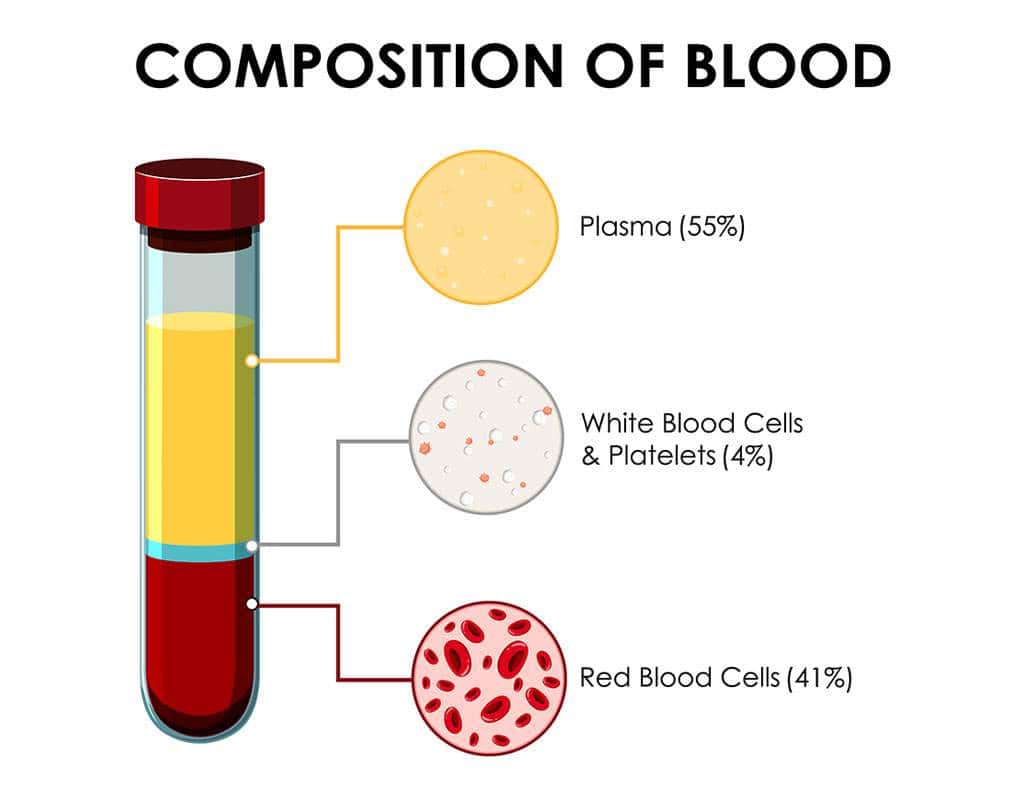
GFC, or growth-factor concentrate, is prepared from a person’s own blood using a platelet-processing system intended to obtain a growth-factor-rich fraction for injection into selected scalp areas. It is related to other autologous platelet concentrates such as PRP, but the products and preparation methods are not identical.
Some recent clinical studies report improvements in hair count or density in selected patients with pattern hair loss. These findings do not prove that GFC works for every cause of hair loss, guarantees stronger or thicker hair, or permanently stops progression.
The exact blood volume, tube number, mixing time, centrifuge settings and resulting growth-factor concentrations depend on the specific validated preparation system. They should not be presented as universal steps unless they match the product actually used.
Growth factors such as PDGF, VEGF, EGF and IGF-related signaling are involved in normal tissue biology, but describing each factor as directly and predictably causing hair regrowth oversimplifies the clinical evidence.

Benefits of GFC Therapy
Potential benefits and limitations
- GFC uses an autologous blood-derived preparation and avoids a surgical incision.
- Early studies suggest potential improvement in selected patients with pattern hair loss, but success rates vary and long-term comparative evidence is still developing.
- Using a patient’s own blood does not make the procedure completely risk-free. Pain, swelling, bruising, bleeding, infection or lack of meaningful improvement can occur.
- Hair regrowth, thickness, strength or volume cannot be guaranteed.
- The number of sessions is individualized; a universal 4–5-session requirement should not be promised.
- GFC is not suitable for every cause of hair loss, especially where follicles have been destroyed by scarring.
A scalp assessment should identify the diagnosis, discuss established options and explain the exact GFC product or preparation, evidence, risks, cost and follow-up before treatment.
Related Posts

Phalloplasty: Techniques, Stages, Goals and Important Limitations
![]()
Phalloplasty is a complex reconstructive procedure that may be considered for gender-affirming care, trauma, cancer or congenital conditions. Technique, staging, urinary function, sensation and recovery vary by individual.

Vaginoplasty: Indications, Techniques, Risks and Recovery Considerations
![]()
Vaginoplasty can refer to different reconstructive or gender-affirming procedures. The reason for surgery, technique, risks and recovery vary, so assessment should be individualized.