
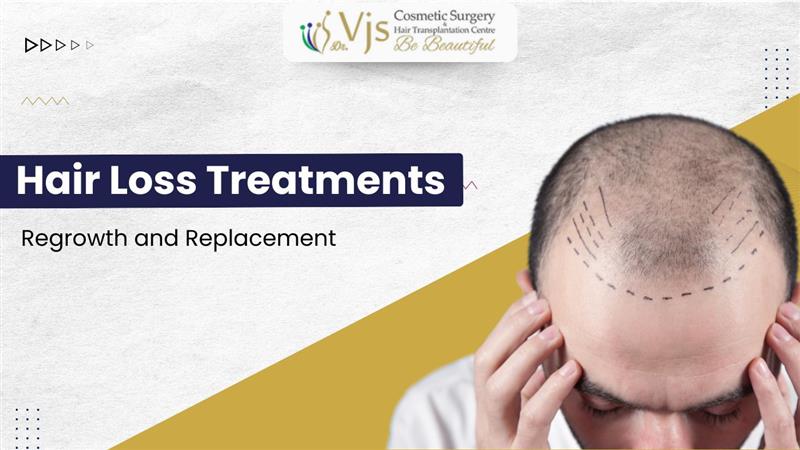

Hair loss has many possible causes, including androgenetic alopecia, telogen effluvium, alopecia areata, nutritional or medical problems, medication effects and scarring conditions. The first step is identifying the cause rather than assuming that one medicine or procedure will work for everyone. Start with the main hair loss guide.
Treatment depends on the diagnosis
For pattern hair loss, clinicians may discuss medicines such as topical minoxidil or prescription treatments when appropriate. Suitability, expected benefit, side effects, pregnancy considerations and other medicines should be reviewed individually. Corticosteroids are used for selected inflammatory or autoimmune hair-loss conditions and are not a general treatment for sudden shedding.
Do not start, stop or change prescription hair-loss medicines based only on online advice. A clinician should confirm the diagnosis and discuss risks and monitoring.
Non-surgical procedures
Some patients may discuss procedures such as PRP therapy or GFC therapy. Evidence and protocols vary, so these options should not be presented as cures or as suitable for every cause of hair loss.
Hair transplantation
Hair transplantation moves follicles from a donor area to areas of thinning or baldness. It may be considered when the diagnosis and pattern are suitable and donor supply is adequate. It does not stop future loss of native hair. Review the main hair transplant guide and the FUE guide for candidacy, scarring and long-term planning.
Cosmetic hair replacement
Wigs, hair systems, fibres and styling changes can be useful options for people who do not want medical or surgical treatment or while a diagnosis is being investigated. These choices can be combined with medical care when appropriate.
For an individual assessment of the cause of shedding, scalp health and appropriate treatment options, use the contact page.