Facial hair transplant bringing a new wave in hair restoration
Free Video Consultation

Category: Beard Hair transplant

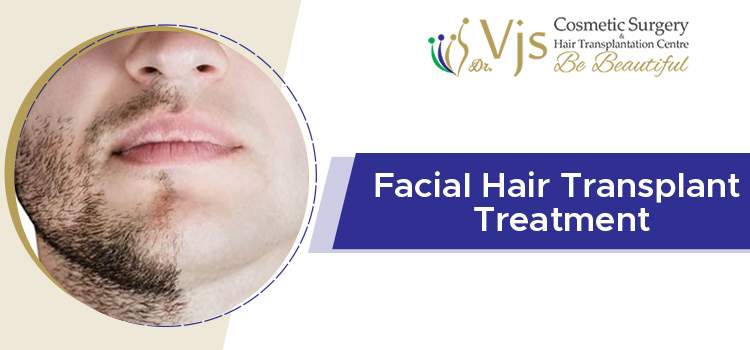
Facial Hair Transplant Treatment

Facial hair transplant bringing a new wave in hair restoration

Loading

Improve the facial look with a facial hair transplant

Face aesthetics are the biggest factor in providing enhanced and improved results. Every person has different features and looks. Undoubtedly, everyone is beautiful, but some might still want to look better to achieve inner satisfaction. So, you should get a facial hair transplant to look perfect and have that impeccable look. To make the most of the treatment plan, you should visit one of the Best hair transplant clinic in Vizag and enjoy the results to the fullest. Moreover, the advancement in medical science has made it a great choice on all possible levels.

Facial hair transplant helps to give drastic results

The increasing demand for facial hair transplant in Visakhapatnam is difficult to summarize. Apart from this, there’s increasing demand for eyebrow and beard hair transplants. Let’s help you have better clarity over the same.

  • Beard hair transplant

In some cases, the male partner doesn’t have the desired hair growth on the beard. Most men like to keep a beard because it makes them look masculine. And that’s the reason they get a beard hair transplant. Moreover, it helps to provide the most effective results. Not just the minimal growth but undergoing beard hair transplant due to injury or trauma that affects the hair growth. So, the choice of beard hair transplant stands out on all possible levels.

What to consider while planning for a beard transplant?

Some of the important things to consider while planning for a beard transplant are:

  • Transplanted hair from the scalp into straight and thin

  • A natural beard is coarse, wiry, and thick

  • Single follicles are best to make the growth better on the upper margin beard

  • Get the density highest in central

Eyebrow hair transplant

Eyebrow hair transplant is one of the latest and worthy trends in facial hair transplant. Those who have thin or no eyebrows can get perfect-looking eyebrows. Most importantly, the procedure focuses on changing the look to gain self-confidence. The transplant is not the only choice in case of less hair growth, but even if the patients have thin eyebrows or eyebrows thinned due to certain trauma/injury. The procedure aims to help you gain the most desired look and get the eyebrow shaped the way you like it.

What to consider while planning for an eyebrow hair transplant?

  • Transplanted hair should be thick as compared to natural eyebrows.

  • Eyebrow hair needs to be transplanted acutely to the skin.

  • Eyebrows contain three segments: Head, Body, and Tail. The doctor checks them all to ensure the best approach is possible for you.

  • While transplanting the hair follicles, it is essential to be careful about their placement
Five Frequently Asked Questions About Beard Hair Loss which offer the ultimate information

How Beard Hair Transplantation Works and What Affects Long-Term Growth

Loading

Beard transplantation uses hair follicles from a donor area, most often the scalp, to add hair to selected parts of the moustache, goatee, cheeks or sideburns. The procedure can improve coverage in suitable candidates, but it does not guarantee a particular beard style, density or lifetime appearance.

What the procedure actually changes

The operation redistributes existing follicles; it does not create new ones. That makes donor supply an important part of planning. A clinician should assess scalp density, hair calibre, curl, colour and the amount of facial area being treated before estimating how many grafts may be appropriate.

The main Beard Hair Transplant page explains the service in more detail, while the Hair Transplant guide covers donor-area principles that also apply to facial restoration.

How FUE is used

FUE removes follicular units individually through small punch sites. The extracted grafts are then placed into recipient openings in the beard area. Although FUE avoids a single linear strip scar, it is not scar-free. The donor area can show many small scars or visible thinning if harvesting is excessive.

Why angle and direction matter

Beard hair grows at different angles across the face, so recipient-site design is especially important. Placement is planned around direction, spacing and the transition between existing and transplanted hair. Even with careful technique, growth can be uneven and some grafts may not survive.

There is no standard graft number

A fixed figure such as 2,500 or 3,000 grafts is not appropriate for every beard. Smaller gaps may require far fewer grafts, while larger areas may require more than the donor area can safely provide in one plan. The estimate should follow examination rather than a preset package.

What happens during recovery

Crusting, redness, swelling and tenderness can occur after treatment. Some transplanted hairs commonly shed before later growth develops from surviving follicles. The timing of shedding and regrowth varies, so a single week or month should not be presented as the point when everyone looks fully recovered.

How long can transplanted beard hair last?

Surviving transplanted follicles may continue producing hair for years, but long-term appearance depends on graft survival, donor characteristics, ageing, grooming and any underlying condition affecting nearby native facial hair. “Permanent” should not be interpreted as a guarantee that density or appearance will never change.

Questions worth asking before surgery

  • Why is transplantation appropriate for my pattern of facial-hair loss?
  • How much donor hair can be used without compromising the scalp?
  • What scarring can occur in the donor and beard areas?
  • How will direction and density be planned?
  • What happens if some grafts grow poorly or future revision is needed?

For clinician background, see the doctor profile. To discuss individual suitability, use the contact page.

Everything you need to know about the treatment of beard hair transplant in India

Beard Hair Transplant in India: Candidacy, Procedure, Recovery and Risks

Loading

Beard transplantation may be considered when facial hair is naturally sparse, uneven or reduced in a stable scarred area, but surgery should follow an individual assessment rather than appearance pressure or a preset idea of what a beard “should” look like. Some patterns of facial-hair loss may reflect dermatologic or medical conditions that need evaluation first.

Who may be considered for beard transplantation?

Potential candidates generally need a usable donor area, healthy recipient skin and realistic expectations about density and texture. A history of keloid-type scarring, active skin disease, unstable hair loss or limited donor reserves can change whether surgery is advisable. A patchy beard alone does not automatically mean transplantation is the right treatment.

What happens during the procedure?

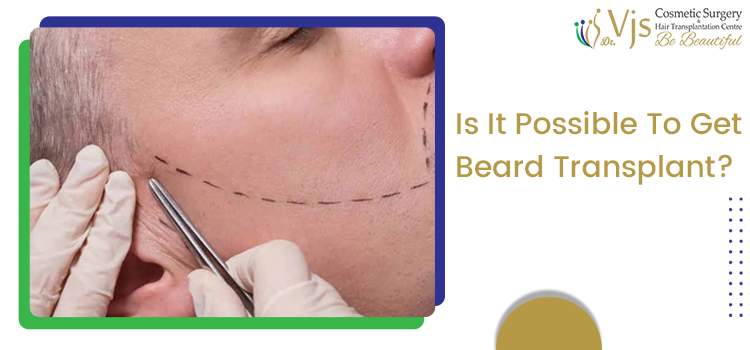
Donor follicles are usually harvested from the scalp and transferred to carefully planned recipient sites in the beard area. FUE is commonly used because follicles can be removed individually. The technique avoids a single linear strip scar but still creates small donor wounds and scars.

Recipient placement is planned around the natural direction and angle of facial hair. The aim is to create a pattern that blends reasonably with existing growth, but perfect symmetry, uniform density and invisible transplantation cannot be promised.

Why graft estimates differ

There is no universal graft number for a beard transplant. The estimate depends on the area being treated, existing facial hair, donor density, follicle characteristics and how conservative the surgeon needs to be with the donor supply. Large graft counts are not inherently better and can increase the risk of donor thinning if harvesting is excessive.

Anaesthesia and discomfort

Local anaesthesia is often used during harvesting and implantation. It can reduce pain during the procedure, but injections, pressure, postoperative soreness and swelling can still occur. Describing beard transplantation as painless is therefore misleading.

Recovery is variable

Early recovery can include redness, crusting, swelling, tenderness or temporary numbness. Some transplanted hairs may shed before new growth becomes visible. The pace of healing and regrowth differs between patients, so fixed claims such as “one-day recovery” or a guaranteed final result at a particular month are not appropriate.

Risks and limitations to discuss

  • infection or folliculitis;
  • visible donor or recipient scarring;
  • poor or uneven graft growth;
  • pigment changes or prolonged redness;
  • unnatural angle, spacing or density;
  • donor-area thinning from overharvesting;
  • need for additional treatment or revision.

Transplanted follicles that survive may continue to grow for a long time, but no procedure can guarantee permanent density, a one-time solution or a particular cosmetic outcome.

Planning the next step

Before deciding on surgery, review the core Beard Hair Transplant information and the broader Hair Transplant guide. Information about the treating clinician is available on the doctor profile. If you want an individual assessment, use the contact page rather than relying on a generic graft or price estimate.

What do you need to know about Beard transplant and how to get through it?

What do you need to know about Beard transplant and how to get through it?

Loading

What is a beard hair transplant?

Different studies have shown that men who have a fuller looking beard seem attractive and stronger as compared to other men. We know that not every man is blessed to have such facial hair. In such cases, men try different options to grow their beard but they won’t get the results they are looking for. The ultimate solution is to get a beard transplant. With beard hair transplant you can look mature and you will have the masculine look you want.

This makes it easier to get the natural look of the beard. The beard transplant includes the following steps:

  • Hairline Designing

According to the patient’s need, the symmetry is defined and the doctor is going the design the beard area.

  • Hair follicles extraction

In a beard transplant, the extraction process is performed with the FUE method in which the grafts are harvested individually from the donor area i.e. back of the scalp.

  • Preparing the hair follicles

With a beard transplant, the extraction method is done with FUE (Follicular Unit Extraction). During the surgery, hair follicles are extracted one by one from the donor area which is back of the scalp. The extracted grafts are counted and the healthy grafts are separated. This way it helps the patient to get natural results with the best density.

  • Implanting the hair follicles

With the predetermined hairline design, the extracted hair follicles are implanted one by one into the beard area. These are implanted in a precise manner keeping in mind the angle, depth, and direction.

 What about the procedure and recovery?

  • The entire surgery is going to take around 3 to 5 hours and you can go back home once the treatment is done. Small incisions are made on the face and it will only feel like a little pinch.
  • The recovery time is less as compared to other hair transplants. The wound is going to heal within 3 to 4 days at maximum.


What is the effect of a beard transplant?

  • In the worst-case scenario, the patient can have swelling and redness around the transplanted area.
  • To get the results you want, you need to sacrifice the hair from the back of the scalp. This won’t result in bald patches but it can look thin.
  • The transplanted hair is going to fall out within 3 weeks and this is a temporary phase. Once this is done there will be permanent hair growth.
  • Once the hair follicles are grafted, you can shave it as usual and style it the way you want. The transplanted hair is going to look and grow like normal.

How to take care after Beard Transplant?

  • Take proper care for at least 2 to 3 days so that the wound gets healed completely.
  • Don’t let the transplanted area get wet following 3 to 4 days of surgery.
  • Avoid going out in the direct sunlight. Make sure to cover your face if it is necessary.

Do not smoke and drink alcohol as it will affect the recovery process.

Is it ok to harvest beard Beard Hair for Scalp Hair Transplantation?

Is it ok to harvest beard Beard Hair for Scalp Hair Transplantation?

Loading

Dr. VJs Cosmetic Surgery & Hair Transplantation Centre: Hair transplant surgery is valuable to treat excessive hair fall when no other hair loss treatments give you the best results. You are not only, who is suffering from hair loss, but there are millions of people experiencing hair fall. There are several reasons for hair fall such as taking too many medications, over-styling your hair, nutrients deficiency, hormonal fluctuations, and thyroid problems. In the beginning, you experience little hair loss, but after some time, you start losing more than 200 or 300 hair strands a day. This type of hair fall is considered as excessive hair loss, which can only be treated with the help of surgical treatment.

Reasons to harvest beard hair for hair transplantation (2)

If you are thinking of getting hair transplant surgery, then you have to know certain things including enough hair growth at the donor area. The back of the scalp is the donor area for scalp hair transplantation. From this region, your specialist collects the hair grafts to transplant at the affected area. But if a person does not have enough hair growth at the donor region, then his specialist may collect hair from the beard or chest. Generally, a specialist collects the hair from the beard due to the thickness of the hair. In this article, you will learn about beard hair transplant in Vizag.

Why collect hair grafts from the beard for scalp transplantation?

As we stated above, some people do not have enough hair growth at the back of the scalp for harvesting. That’s why specialists collect the hair graft from another part, especially from the beard. To get the best results of hair transplantation, it is necessary to have enough hair growth at the donor area. Only, in this way, you will be able to get maximal density and hair volume.

Beard hair is a great choice for scalp hair transplant surgery because of the thickness of beard hair. It is easy to harvest hair grafts from the face for transplantation because it does not leave a scar and provide quick healing. This is done with the help of the Follicular Unit Extraction method, in this method the surgeon collects the single hair from the donor site. And it does not result in scarring and no one can judge from where the surgeon harvests the hair graft.

If you are thinking about results, then you do not take tension, because you will get the desired results.

What to Expect?

For hair transplantation, your surgeon collects almost 3000 hair grafts from the beard. Well, it is difficult for those, who never wish to grow a beard. In this case, they need to wait until the beard grows, and firstly the surgeon checks the hair density and volume. Only then tell you whether you are able to get hair transplantation or not.

beard ట్రాన్స్ప్లాంట్ తో అందమైన ముఖాన్ని పొందండి - ఆంధ్ర ప్రదేశ్

beard ట్రాన్స్ప్లాంట్ తో అందమైన ముఖాన్ని పొందండి – ఆంధ్ర ప్రదేశ్

Loading

ఆంధ్ర ప్రదేశ్ఫా:  beard ట్రాన్స్ప్లాంట్ తో అందమైన ముఖాన్ని పొందండి

షన్ ఇండస్ట్రీ అన్ని రకాలుగా కొత్తదనాన్ని కోరుకుంటుంది . మొగవాళ్ళకి ఛాతి మీద జుట్టు , అలాగే మంచి వాయిస్ , అందమైన సిక్స్ ప్యాక్ బాడీ ఉండచ్చు కానీ మొఖం మీద గెడ్డంమీసం ఉండకపోతే చూడటానికి బోగోరు . ఇప్పుడున్న ట్రెండ్ కూడా అదే . టాలీవుడ్ లో విల్లన్ లే కాదు హీరోలు కూడా గెడ్డం మీసం పెంచుకుంటున్నారు . అమ్మాయిలు కూడా అదేఎక్సపెక్ట్ చేస్తున్నారు ఈకాలం లో.ట్రెండ్ కి తగ్గట్టు  ఉండటం ఫాషన్ ఇప్పుడు .చాలా మంది మొగవాళ్ళు  గెడ్డం మరియు మీసం పెంచాలనుకుంటారు . కానీ అనివార్య కారణాల వాళ్ళ ఎంతప్రయత్నించినా ఫలించదు . ఇలాంటి వాళ్లకి విశాఖపట్నం లోనే అతిపెద్ద కాస్మెటిక్ సర్జరీ క్లినిక్ డాక్టర్ VJs ఆవిర్భవించింది . గత నాలుగేళ్లలో వందల కొద్దీ ప్రొసిజర్స్ చేసి ఆనతి కాలం లోనేపేరు ప్రఖ్యాతలు సొంతం చేసుకున్నారు . మీకు నచ్చినట్టు మీ ముఖం పైన గెడ్డం మరియు మీసం ట్రాన్స్ప్లాంట్ చేసి మీ ముఖాన్ని అందంగా తీర్చి దిద్దుతారు.

ముఖం పై జుట్టు రాకపోడానికి చాలా కారణాలు ఉండవచ్చు . వాటిలో కొన్ని ఇవి అయ్యుండచ్చు .

  • హార్మోనల్ఇంబ్యాలన్సు

శరీరాల్లో ఉన్న హార్మోన్స్ ఎలా పనిచేస్తాయో అనే దాని మీదనే మన అవయవాలు రెస్పొంద్ అవుతాయి . సరైన మోతాదు లో హార్మోన్స్ రిలీజ్ అవ్వకపోతే మొఖం పైన జుట్టు పెరగదు

  • జెనెటిక్స్

మన పూర్వీకుల బట్టే మన శరీరం లో చాల మార్పులు జరగచ్చు . దాని వలన కూడా మీ మొఖం పై జుట్టు రాకపోవచ్చు . మీ నాన గారు గాని లేదా మీ తాత గారి మొఖం పై జుట్టు లేకపోతేమీకు రాకపోవచ్చు . దానికే లేని జుట్టుని కూడా  ట్రాన్సప్లంట్ ద్వారా తెప్పించవచ్చు.

  • ఎమోషన్స్

డిప్రెషన్ లో ఉన్నవాళ్లకి కూడా మొఖం పై జుట్టు రాకపోవచ్చు

  • ఆక్సిడెంట్

మొఖం పై ఏదేనా ఆక్సిడెంట్, దెబ్బ  వల్ల కూడా కూడా జుట్టు రాకపోవచ్చు .

ఫేసియల్ ట్రాన్స్ప్లాంట్ ఎలా చేస్తారు ?

Beard ట్రాన్స్ప్లాంట్ FUE Technique ద్వారా చేస్తారు.దీనిలో తల వెనుక భాగం నుంచి జుట్టు తీసి మీ మొఖం పైన గెడ్డం మరియు మీసం మీద పెడతారు.పెట్టిన రెండు వారాలకు అదిపడిపోయి కొత్త జుట్టు మొలకడం ప్రారంభం అవుతుంది . పెట్టిన మూడు నెలలకి జుట్టు రావటం మొదలవుతుంది . ఆరు నెలలకి అందమైన గెడ్డం మరియు మీసం తో ఇష్టమైన వారినిమెప్పించచ్చు .

Five Frequently Asked Questions About Beard Hair Loss which offer the ultimate information

Five Frequently Asked Questions About Beard Hair Loss which offer the ultimate information

Loading

Hair loss can be seen not only in the head area but also in other body parts,  especially in men. Hair transplant is the last resort for such people. But there are some other forms of hair loss which have not been discussed till now.  While many methods are available for the treatment, a beard hair transplant can also be tried if all other methods fail to work out favorable results.

  1. Which is the quickest way to treat alopecia barbae?

Alopecia barbae, or the hair loss one experiences in the beard area start as spots of baldness in the facial area. This is an autoimmune disease which signifies that it is caused by the malfunctioning of the immune system. Under this condition, the immune system mistakes the hair follicles for foreign bodies and attacks them as it would attack germ cells. This leads to the destruction of hair follicles and triggers subsequent hair loss. A dermatologist can help you out of the situation by using intra-lesional injections and topical application of creams and lotions.

  1. Is there any ayurvedic treatment for alopecia barbae?

Pracchana karma or jaluka techniques are widely used for treating this condition. Be sure that you approach a well qualified and experienced ayurvedic doctor for the same.

  1. What is the cause of alopecia barbae?

It is a condition in which the scarcity of hair hits the facial hair or the beard. It starts in the form of bald patches and covers all the face after some time. The condition can be treated by the use of intralesional steroid injections. One may need multiple sittings for the treatment but it is eventually cured.

  1. Is Alopecia curable? How much time does it take to cure it?

As mentioned above, it is an autoimmune disease which manifests in the form of balding spots in the beard area. It can strike adults or men in their later years. It can be treated by alternative as well as allopathic methods. Ayurveda line of treatment cures the condition by administering tablets which inhibit the conversion of testosterone to DHT. They also prescribe the use of products which enhance the nutrition of the hair follicles, thereby increasing the chances of hair growth. The treatment ensures that the hair is strengthened from the rots and hair fall is controlled. It takes 5-6 months for treating this condition but the results finally show up.

  1. Please throw some light on alopecia barbae. What is it and what is the treatment one should opt for?

Alopecia barbae is a common disease. This condition can be seen in many men. It is specifically related to baldness in the beard area. It generally appears as bald patches in some parts of the face. Gradually, it starts spreading to the whole face. If it does not get treated early then it may render the whole face devoid of beard. It is caused due to the hyperactivity of the immune system. The immune system’s hyperactivity tendency needs to be curbed for treating this condition. This requires a lot of time as it takes a long time to bring the hyperactive immune system under control. Once the immune system is under control, the hair starts growing back.

The most important Questions you should ask about Hair Transplant

Top 6 Questions You Should Ask Your Surgeon About Hair Transplant

Loading

Getting surgery is one of the serious decision anyone has to make. Choosing any type of medical surgery comes with benefits and some risk factors. One of the treatment which people about is a hair transplant. No doubt, the hair transplant surgery is becoming common for both men and women.

  • What type of medical conditions can affect the hair transplant site?

This situation will happen with very few patients. It can cause damage to the hair follicles which are helping in the growth of new hairs. Some of the medical conditions which cause hair loss again are Lichen planopilaris and Alopecia Areata.

  • Can lifestyle choices cause hair loss after the treatment?

Even if the hair transplant surgery is successful you can still face the problem of hair loss. This is due to some change in your lifestyle. Sometimes medications can also cause the problem of hair loss. If you are eating unhealthy food then it will affect your body as well as your hairs. Some of the other factors are smoking and drinking. Leading a healthy life can prevent this problem and the hair transplant results will be successful.

  • Can the problem of hair loss stays after the surgery?

The hair transplant goes through different stages of healing. Without this, the results of the treatment will not be successful. In one of the stages, the patient will notice some hair loss. This stage is temporary and it will go away soon. This process is natural in the healing process. The hair fall is common because, during the surgery, the hair follicles are removed from the scalp to treat the affected area. Due to this, the hair follicles go to a resting stage. Once this phase is completed, the hair will grow normally.

  • Can an FUE surgery fail after the successful hair transplant?

Before getting the surgery, some patients are concerned that if the procedure is successful still the results will not be appropriate. The chances of unsuccessful transplant is very rare. One of the cause is Telogen effluvium which was noticed for the problem of hair loss even after a successful hair transplant. This occurs when a large number of hair follicles enter the resting phase. Once the hair follicles become active they push the old hair out and new hair follicles make there way. You will think the problem of hair loss is still there but it is only temporary.

  • Is the hair transplant painful or not?

It depends on the individual that how much pain they can bear. During the surgery, the patient is given anesthesia to numb the affected area and you will not feel any discomfort. Even after the procedure, it will prevent the pain for some time. You can go back to your normal activities on the next day.

  • Will the results look natural?

The transplant usually involves transplanting only four hairs at a time. This way attention is paid only to the specific area of the scalp. It creates a natural look and the results will also be natural.

Now it is possible to get safe and effective beard hair transplant In India

Beard Hair Transplant: Suitability, Donor Planning, Risks and Recovery

Loading

A beard hair transplant is an elective procedure that moves hair follicles, usually from the scalp, into selected areas of the beard. It may be considered for naturally sparse growth, stable areas of reduced facial hair or selected scars, but it is not automatically suitable for every pattern of patchiness.

Assessment comes before graft planning

Facial-hair density can vary for genetic, hormonal, dermatologic and scarring reasons. Before planning surgery, a clinician should review the pattern of reduced growth, skin condition, medical history, previous procedures and the quality of the scalp donor area. Sudden or inflammatory facial-hair loss may need a different type of medical evaluation rather than transplantation.

How donor hair is selected

The donor area is limited, so follicles should be chosen with both the beard design and future scalp needs in mind. Hair calibre, colour, curl and growth direction influence how well transplanted scalp hair blends with existing beard hair. An exact texture match cannot be guaranteed, and the number of grafts required varies widely by the size of the area and the desired visual density.

How FUE may be used for beard restoration

With FUE, individual follicular units are removed through small punch sites and placed into recipient openings created in the beard area. FUE avoids a linear strip scar, but it still leaves multiple small donor scars. Recipient-site planning aims to reproduce appropriate angle and direction; even careful planning cannot guarantee perfectly uniform growth or complete concealment of a scar.

For a broader explanation of the procedure, see the Beard Hair Transplant guide. People also considering scalp restoration can review the main Hair Transplant guide.

Anaesthesia, discomfort and procedure length

Local anaesthesia is commonly used, but that does not make treatment universally painless. People can experience injection discomfort, pressure, tenderness or postoperative soreness. Procedure length depends on graft requirements, harvesting complexity and recipient-site planning, so a fixed number of hours should not be promised in advance.

Recovery and early shedding

Temporary redness, swelling, crusting and tenderness can occur. Some transplanted hairs may shed during the early postoperative period before later growth begins. Healing and visible growth vary between individuals, and return to shaving, exercise or other routine activities should follow the treating clinician’s instructions rather than a universal timeline.

Risks and limitations

Possible complications include infection, folliculitis, pigment change, visible scarring, poor or uneven growth, unnatural direction, cysts, donor thinning and the need for revision. Transplanted follicles can provide long-term growth when they survive, but no clinic can guarantee permanent density, a specific beard shape or an undetectable result.

If you are deciding whether surgery fits your goals, review the clinician’s experience and ask how donor reserves, beard design and long-term maintenance would be handled. The doctor information page provides background about the treating team, and the contact page can be used to request an individual assessment.

```html ```