
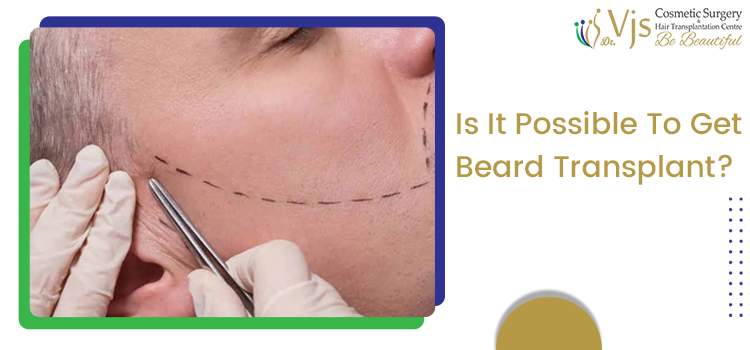

Beard transplantation uses hair follicles from a donor area, most often the scalp, to add hair to selected parts of the moustache, goatee, cheeks or sideburns. The procedure can improve coverage in suitable candidates, but it does not guarantee a particular beard style, density or lifetime appearance.
What the procedure actually changes
The operation redistributes existing follicles; it does not create new ones. That makes donor supply an important part of planning. A clinician should assess scalp density, hair calibre, curl, colour and the amount of facial area being treated before estimating how many grafts may be appropriate.
The main Beard Hair Transplant page explains the service in more detail, while the Hair Transplant guide covers donor-area principles that also apply to facial restoration.
How FUE is used
FUE removes follicular units individually through small punch sites. The extracted grafts are then placed into recipient openings in the beard area. Although FUE avoids a single linear strip scar, it is not scar-free. The donor area can show many small scars or visible thinning if harvesting is excessive.
Why angle and direction matter
Beard hair grows at different angles across the face, so recipient-site design is especially important. Placement is planned around direction, spacing and the transition between existing and transplanted hair. Even with careful technique, growth can be uneven and some grafts may not survive.
There is no standard graft number
A fixed figure such as 2,500 or 3,000 grafts is not appropriate for every beard. Smaller gaps may require far fewer grafts, while larger areas may require more than the donor area can safely provide in one plan. The estimate should follow examination rather than a preset package.
What happens during recovery
Crusting, redness, swelling and tenderness can occur after treatment. Some transplanted hairs commonly shed before later growth develops from surviving follicles. The timing of shedding and regrowth varies, so a single week or month should not be presented as the point when everyone looks fully recovered.
How long can transplanted beard hair last?
Surviving transplanted follicles may continue producing hair for years, but long-term appearance depends on graft survival, donor characteristics, ageing, grooming and any underlying condition affecting nearby native facial hair. “Permanent” should not be interpreted as a guarantee that density or appearance will never change.
Questions worth asking before surgery
- Why is transplantation appropriate for my pattern of facial-hair loss?
- How much donor hair can be used without compromising the scalp?
- What scarring can occur in the donor and beard areas?
- How will direction and density be planned?
- What happens if some grafts grow poorly or future revision is needed?
For clinician background, see the doctor profile. To discuss individual suitability, use the contact page.