Tuberous Breast: Assessment, Surgical Options, Risks and Expectations

Tuberous breast is a developmental breast shape variation that can become more noticeable during puberty. Features can differ widely between people and may include a narrow breast base, a higher or tighter lower breast fold, enlarged or prominent areolae, reduced lower-pole fullness, or asymmetry. Having this anatomy does not mean treatment is medically required. Some people choose surgery because of personal preferences, while others do not.
Assessment comes before choosing a procedure
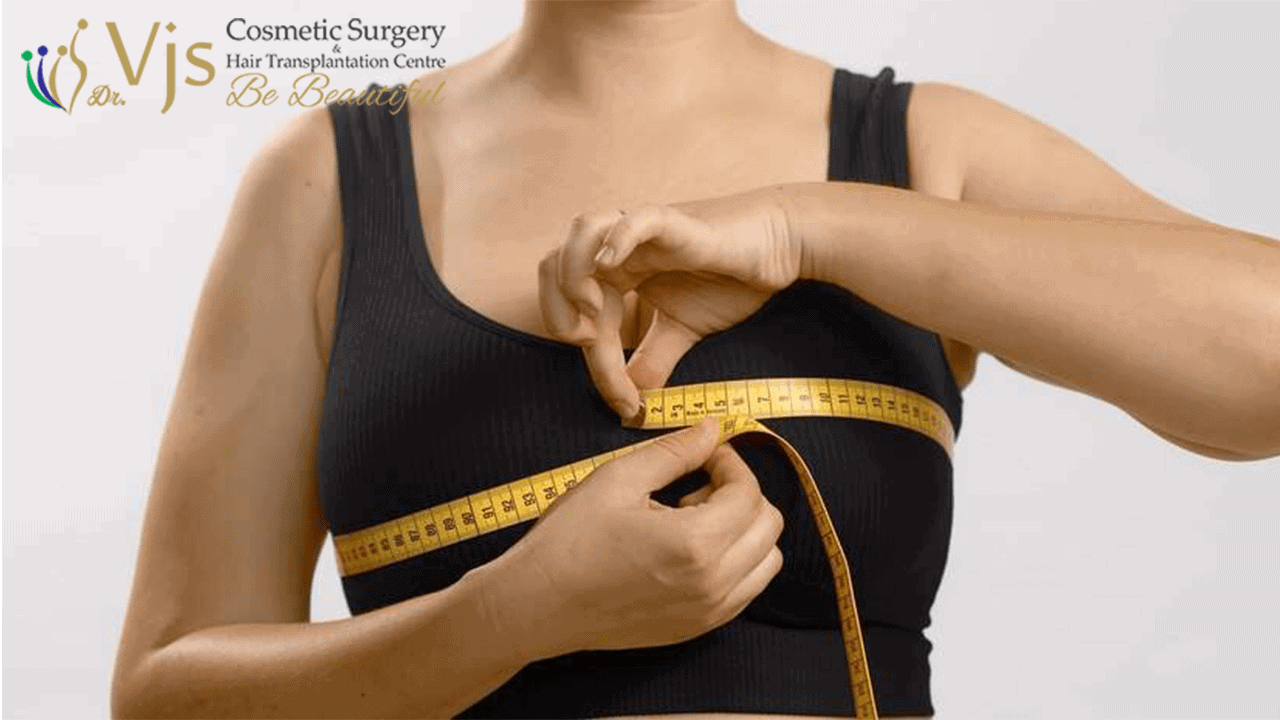
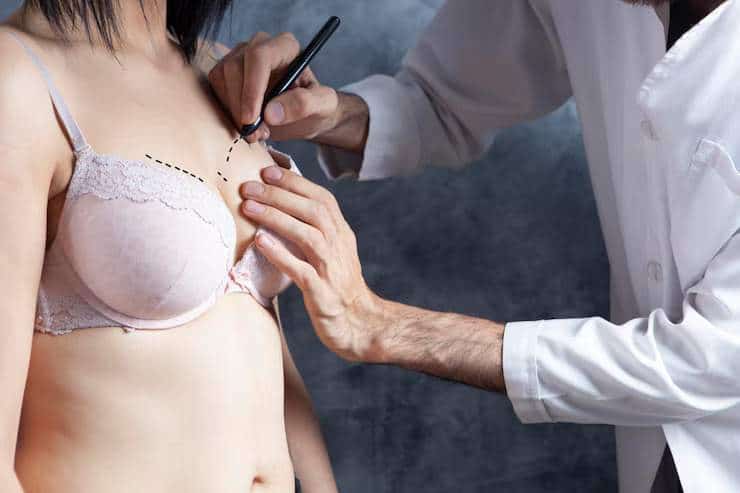
There is no single operation that suits every tuberous breast pattern. A surgical assessment usually considers the breast base, skin envelope, glandular tissue distribution, nipple–areola position, asymmetry, chest dimensions and the person’s goals. It is also important to discuss pregnancy plans, previous breast surgery, relevant health conditions and how much change is realistically achievable.
Which surgical approaches may be considered?
Treatment is individualized and may use one technique or a combination of techniques. The choice depends on anatomy rather than on a universal “best” procedure.
Release and reshaping of constricted tissue
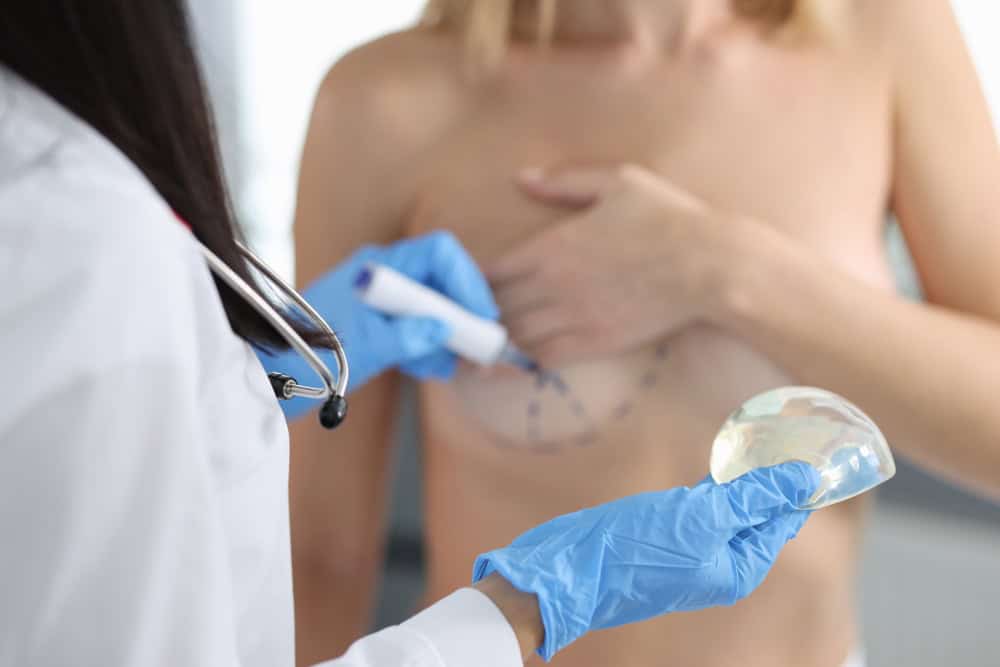
In some cases, the surgeon may release tight tissue bands and redistribute existing breast tissue to improve the shape of the lower breast. The incision pattern varies according to the correction required. Scars are expected with surgery, although their position and visibility differ between techniques and individuals.
Breast implants
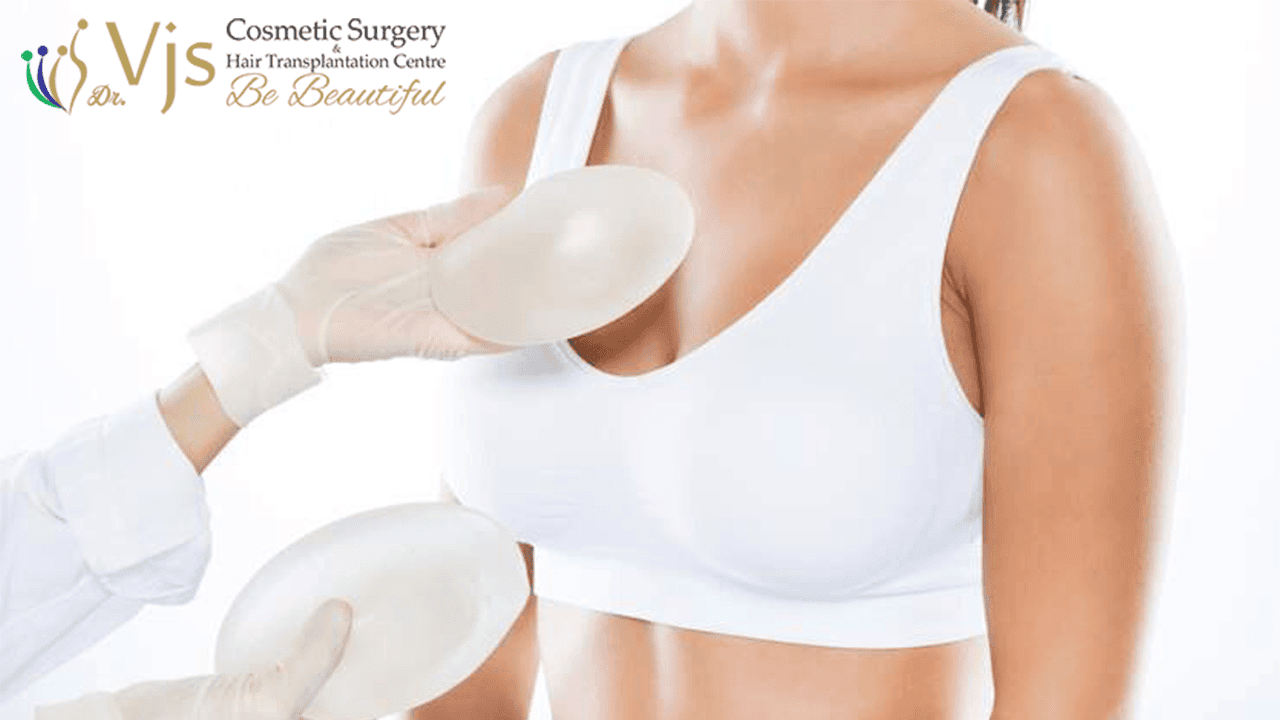
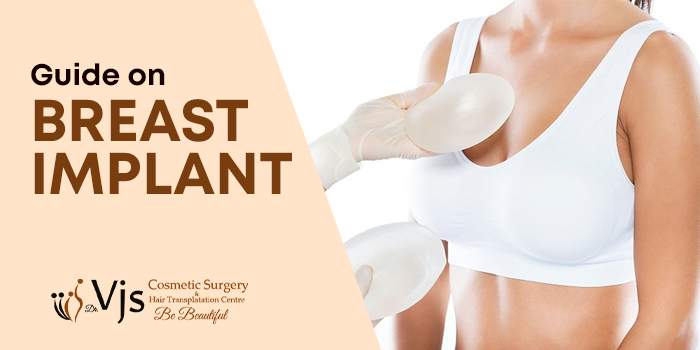
An implant may be considered when additional volume is desired or when the breast base needs support during reshaping. Implant selection involves more than cup size: width, profile, volume, soft-tissue coverage and chest proportions all matter. Implants also carry specific risks and may require future monitoring or additional surgery. For broader information about implant-based surgery, see the breast augmentation guide.
Fat transfer
Fat grafting uses fat collected from another body area and transfers selected fat cells to the breast. It may help with contour refinement or modest volume changes in suitable patients. Not all transferred fat survives, more than one session may be needed, and the amount that can be added safely is limited by the available tissue and treatment plan.
Areola or breast-lift procedures
When the areola is stretched, prominent or positioned differently because of the underlying anatomy, an areolar procedure or mastopexy may sometimes be incorporated. This can add scars and has its own risks, so the trade-offs should be discussed before surgery.
What surgery cannot promise
Surgery can change breast contour, symmetry and volume, but it cannot guarantee a particular cup size, perfect symmetry, invisible scars or a specific cosmetic result. Healing, scar quality, sensation, implant behaviour and fat retention vary. Revision surgery can occasionally be required.
Risks and recovery
Possible risks depend on the procedure and can include bleeding, infection, fluid collection, wound-healing problems, altered nipple or skin sensation, asymmetry, scarring, contour irregularity and anaesthetic complications. Implant surgery has additional risks such as capsular contracture, implant rupture or displacement, and the possibility of later implant-related procedures.
Recovery is not a fixed two- or three-week process for everyone. Swelling and tightness can persist after the early healing phase, and return to exercise or physically demanding work should follow the treating clinician’s advice. Do not start, stop or change prescribed medicines solely because of general online guidance; medication decisions should be individualized.
Making a treatment decision
A useful consultation should clarify which anatomical features are being treated, what technique is proposed, where scars may be placed, what changes are realistic, what risks apply, and what follow-up is included. If you would like an assessment based on your own anatomy and goals, you can use the contact page to discuss an appointment.