
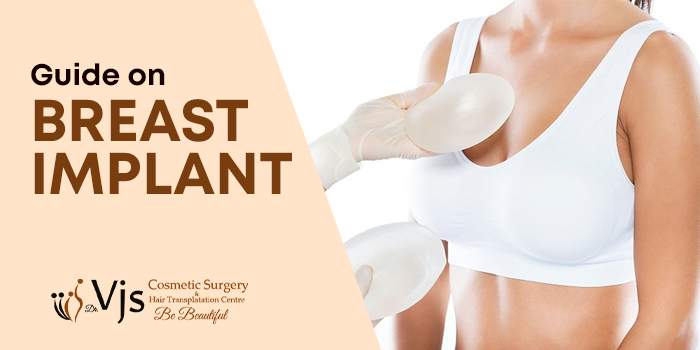

Choosing an implant size is not simply a matter of asking for a particular bra cup. Implant planning combines body measurements, existing breast tissue, skin quality, chest width, desired change and the limitations of the available soft-tissue envelope. The aim is to make an informed decision about proportions and trade-offs rather than to promise a particular appearance.
Implant size is measured differently from bra size
Breast implants are commonly described by volume, usually in cubic centimetres, along with width and projection. Bra cup sizing varies between manufacturers and band sizes, so it is not a reliable standalone way to select an implant. Two implants with a similar volume can also look different because their width and profile differ.
Saline and silicone implants both require informed discussion
Saline-filled and silicone-gel implants differ in feel, construction, rupture behaviour and follow-up considerations. Neither type is free of complications. Potential implant-related issues can include capsular contracture, rupture or deflation, displacement, visible rippling, asymmetry, changes in sensation, infection and the possibility of future surgery. The suitability of a particular implant depends on anatomy, preferences and the surgeon’s assessment.
What factors influence implant choice?
Chest and breast-base dimensions
The width of the breast base and chest helps determine which implant dimensions can fit appropriately. Selecting an implant that is too wide or too narrow for the available anatomy can affect contour and positioning.
Existing tissue and skin coverage
People with less soft-tissue coverage may have different limitations from those with more breast tissue or skin laxity. Tissue thickness can influence implant visibility, edge palpability and whether rippling is noticeable.
Desired amount of change
Some people want a subtle increase in volume, while others prefer a more noticeable change. Photographs, implant sizers or other planning tools can help communicate preferences, but they should not be treated as guarantees of a final result.
Lifestyle and physical activity
Daily activity, exercise preferences and work demands can be relevant to implant planning and recovery, but there is no universal rule that active people should choose a particular implant size. The discussion should focus on comfort, proportions, anatomy and realistic expectations.
Why bigger is not automatically better—or worse
Height alone does not determine the “correct” implant. A smaller person does not automatically need a small implant, and a taller person does not automatically need a larger one. Chest width, breast footprint, tissue quality and personal goals provide more useful information than height by itself.
Questions to discuss before surgery
Ask how the proposed implant width and profile fit your anatomy, what scars and recovery are expected, what complications are possible, how future breast changes may affect the result, and what follow-up is recommended. It is also reasonable to ask what might happen if you later want the implants removed or replaced.
For an overview of implant-based breast surgery, visit the breast augmentation page. If you want to discuss implant sizing in the context of your own measurements and goals, use the contact page to arrange an assessment.