Why Is Vaginoplasty Performed? Procedure, Risks & Eligibility
Free Video Consultation

Category: cosmetic surgery

Doctor discussing vaginoplasty eligibility and treatment reasons with a patient

Vaginoplasty: Indications, Techniques, Risks and Recovery Considerations

Loading

Vaginoplasty is a term used for procedures that create, reconstruct or repair vaginal anatomy. It may be considered in selected reconstructive settings, after some cancer treatments or congenital conditions, and as part of gender-affirming care. The operation is not a single standard procedure, and the goals, tissues used, expected function and follow-up differ according to the reason for surgery.

Why might vaginoplasty be considered?

The indication should be defined before discussing technique. In reconstructive care, surgery may be considered when vaginal anatomy has been affected by congenital differences, injury or treatment for disease. In gender-affirming care, the aim may be to create external and internal genital anatomy that better aligns with the person’s goals. Cosmetic concerns alone should not be used to make assumptions about function, sexual wellbeing or the need for surgery.

Penile inversion vaginoplasty

Penile inversion is one established technique in gender-affirming vaginoplasty. Penile and scrotal tissues may be used to create the vaginal lining and external genital structures. Additional graft tissue may be needed in some cases. The amount of available tissue, previous surgery, anatomy and desired depth can affect operative planning.

Intestinal and other reconstructive techniques

Intestinal vaginoplasty uses a segment of bowel to create part of the vaginal canal. It may be considered in selected primary or revision cases, but it is not simply a backup used only after another technique fails. It has a different risk profile and requires discussion of bowel surgery, mucus production, long-term care and possible complications. Other techniques may use skin grafts or peritoneal tissue depending on the surgical context and specialist expertise.

Risks and complications

Complication risk cannot be described as universally rare. Possible problems include bleeding, infection, wound separation, urinary difficulties, altered sensation, scarring, tissue loss, fistula, narrowing of the vaginal canal, prolapse and the need for revision surgery. The likelihood of each complication depends on technique, health status, healing and other individual factors.

Recovery and aftercare vary

Hospital stay, drains, catheter use, sutures, dilation and return to normal activity differ between procedures and surgeons. It is not accurate to promise a fixed hospital stay or a universal timeline for dissolvable stitches. Patients should receive a written recovery plan from the treating team and should seek urgent advice for heavy bleeding, fever, worsening pain, foul-smelling discharge, difficulty passing urine or other concerning symptoms.

Questions to ask before deciding

  • What is the exact goal of surgery in my case?
  • Which technique is being proposed and why?
  • What are the most important short- and long-term risks?
  • Will dilation or other long-term aftercare be required?
  • Who manages urinary, bowel or wound complications if they occur?
  • What follow-up is available after discharge?

For broader information about relevant procedures, see the cosmetic gynaecology and plastic surgery sections. To clarify what is actually available and whether specialist assessment is appropriate, use the contact page. Availability, technique and suitability should be confirmed directly rather than inferred from a general educational article.

Frequently asked questions

Does every vaginoplasty use the same tissue?
No. Tissue choice depends on the indication, anatomy, technique and whether the operation is primary or revisional.

Is recovery the same for everyone?
No. Recovery plans vary, including hospital stay, wound care, dilation and activity restrictions. Follow the instructions given by the treating surgical team.
Consultation on facial feminization surgery with a doctor and patient discussing facial features.

Facial Feminization Surgery: Procedures, Planning, Risks and Recovery

Loading

Facial feminization surgery (FFS) is an umbrella term for procedures that may alter selected facial features to create a more feminine appearance. It is not one fixed operation, and not everyone needs or wants the same combination of procedures. Planning should begin with the person’s own goals, facial anatomy, medical history, prior surgery and a realistic discussion of what each procedure can and cannot change.

Forehead and hairline procedures

Forehead contouring may modify the brow area or frontal bone, while a brow lift can change eyebrow position. Hairline advancement is a separate procedure that may reduce forehead height in selected patients. These operations can leave visible or hidden scars and may involve changes in sensation, hair density or hairline shape, so the trade-offs should be discussed before surgery.

Nose and cheek procedures

Rhinoplasty can alter nasal proportions, projection or contour while also needing to preserve or improve breathing where relevant. Cheek augmentation may use implants, fat transfer or other techniques to change mid-face contour. A more feminine appearance is subjective, so the aim should be facial balance and the individual’s stated preferences rather than a universal template.

Jaw, chin, lips and neck

Jaw and chin contouring can reduce or reshape selected bony areas. Lip procedures may alter the distance between the nose and upper lip or change lip volume. Tracheal cartilage reduction can make the laryngeal prominence less visible. Each procedure has its own risks, and combining several operations can affect swelling, recovery time and overall surgical complexity.

How an FFS plan should be built

A consultation should identify which features matter most to the patient and whether surgery is likely to address those concerns. The surgeon should explain alternatives, scar placement, anaesthesia, expected swelling, sensory changes, revision possibilities and how the planned procedures interact. Photos or imaging can support discussion, but they should not be presented as a guarantee of the final result.

Risks and recovery

Potential risks vary by procedure and can include bleeding, infection, wound problems, nerve-related numbness or weakness, asymmetry, scarring, hairline changes, breathing issues after nasal surgery, contour irregularity and the need for revision. Swelling can take time to settle, and the pace of recovery differs considerably between people and between single-procedure and combined operations.

Choosing care based on evidence, not promises

High success-rate claims, guaranteed safety and promises of a particular appearance are not appropriate ways to judge a surgical option. More useful questions include the surgeon’s training for the specific procedure, how often that procedure is performed, how complications are managed, what follow-up is offered and whether the proposed plan reflects your priorities. For general information about cosmetic surgery and related facial procedures, review the relevant service pages. You can also use the contact page to ask what procedures are currently available and whether a consultation is appropriate.

Frequently asked questions

Does facial feminization surgery always involve the whole face?
No. FFS can involve one procedure or a selected combination based on anatomy and personal goals.

Can a surgeon guarantee a natural-looking result?
No. Surgical outcomes vary. The goal should be a realistic, individualized plan with clear discussion of limitations, risks and possible revisions.

Consultation between a doctor and patient about vaginoplasty preparation.

Vaginoplasty Preparation: Questions to Discuss Before Surgery

Loading

Preparation for vaginoplasty depends on why the procedure is being considered, the surgical technique planned, existing health conditions and the surgeon’s perioperative protocol. It should not begin with a generic checklist or an instruction to stop medicines on your own. A safer approach is to review the planned operation, expected recovery, fertility considerations, wound care, mobility, bowel care and any medicines or supplements with the treating surgical team.

Review medicines and health conditions with the surgical team

Bring an up-to-date list of prescription medicines, over-the-counter products, vitamins and herbal supplements to the preoperative consultation. Some medicines can affect bleeding, clotting, blood pressure or anaesthesia, but changes should only be made when the prescribing clinician and surgical team advise them. Smoking, nicotine use, diabetes, previous surgery, anaemia and other medical conditions may also influence preparation and healing.

Ask whether hair removal is required for the planned technique

Hair-removal requirements are technique-specific. Some procedures may require treatment of skin that could later line an internal surface, while others may not. Because electrolysis or laser hair reduction takes time and can irritate skin, patients should confirm the exact area, method and timing with their surgeon rather than starting treatment from a generic online recommendation.

Plan practical support for the first phase of recovery

Recovery needs vary, but it is useful to discuss transport home, help with meals and daily activities, time away from work, wound-care supplies, follow-up appointments and whom to contact if symptoms change. If dilation is part of the planned postoperative care, the surgical team should explain when it begins, how it is performed and what problems require review. Pelvic-floor physiotherapy may be useful for selected patients, but it is not automatically required for everyone.

Discuss fertility before any procedure that could affect reproductive options

If future biological parenthood is important, ask the treating team whether fertility preservation should be considered before surgery or other treatments that may affect reproductive function. The appropriate option depends on individual anatomy, prior treatment and personal goals, so fertility preservation should be discussed as a choice rather than presented as a universal requirement.

Know which recovery symptoms need medical review

Temporary discomfort, swelling, changes in bowel habits and reduced mobility can occur after major pelvic surgery, but the pattern differs between procedures. Fever, worsening pain, heavy bleeding, difficulty passing urine, increasing redness, wound problems or other concerning symptoms should be assessed promptly according to the discharge instructions provided by the treating team.

For broader information about procedures involving the genital or pelvic area, review the cosmetic gynaecology overview. Questions about whether a procedure is offered, which technique may be suitable and what preparation would apply should be addressed through an individual consultation rather than assumed from an educational article. Use the contact page to request an assessment.

Doctor measuring patient's waist for mommy makeover assessment.

Mommy Makeover: Candidacy, Timing, Risks and Recovery Planning

Loading

A “mommy makeover” is a non-medical marketing term for an individualized combination of cosmetic procedures that may be considered after pregnancy or breastfeeding. It is not something a person needs because their body has changed. Some people choose surgery for specific concerns, while others prefer no procedure at all. The safest starting point is an assessment of the concern, general health, future pregnancy plans and the risks of combining operations.

Who may be considered for combined post-pregnancy surgery?

Candidacy is decided individually rather than by a fixed checklist. A surgeon may discuss whether pregnancy-related changes have stabilized, whether breastfeeding has ended, whether body weight is reasonably stable, and whether medical conditions are well controlled. Plans for another pregnancy also matter because pregnancy can change the abdomen and breasts again after surgery.

Which procedures can be combined?

Depending on anatomy and goals, planning may involve abdominoplasty, breast lift, breast augmentation, breast reduction or selected-area liposuction. These procedures are not automatically performed together. Combining operations can increase anaesthesia time, blood-loss risk, wound-healing demands and recovery burden, so the proposed plan should be proportionate to the individual patient.

For people considering body-contouring options, the main liposuction guide explains what liposuction can and cannot change. It should not be viewed as a weight-loss treatment.

Smoking, medicines and medical conditions

Nicotine exposure can increase wound-healing complications. The timing of smoking or nicotine cessation should be discussed with the treating surgeon rather than based on a universal online rule. Patients should also provide a complete list of prescription medicines, over-the-counter medicines and supplements. Do not stop prescribed treatment unless the clinician managing it advises a change.

Recovery is not the same for every patient

Recovery depends on which procedures are performed, their extent, the patient’s health and the demands of daily life. Swelling, bruising, soreness and temporary activity restrictions are common after many body-contouring operations. Return to driving, work, exercise and lifting should follow the surgeon’s postoperative instructions rather than a fixed internet timetable.

Questions worth discussing before deciding

  • Which concern is each proposed procedure intended to address?
  • Is combining the operations appropriate, or would staged surgery be safer?
  • What scars, sensation changes, asymmetry or revision risks are relevant?
  • How will childcare, lifting restrictions and home support affect recovery planning?
  • What symptoms after surgery require urgent review?

A consultation should support an informed choice rather than pressure a person toward surgery. To discuss suitability, risks and an individualized plan, use the VJ Clinics contact page.

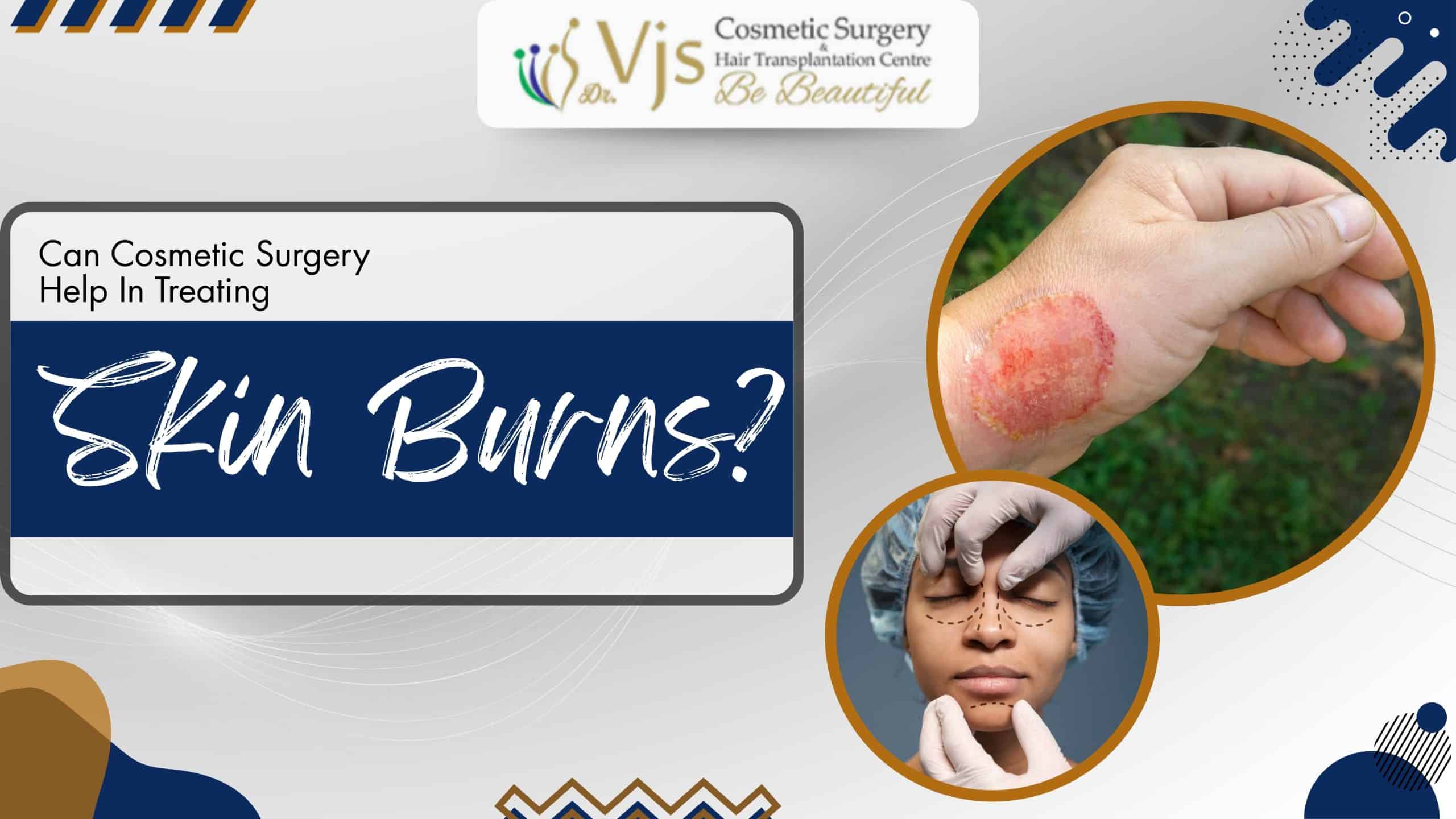
Can Cosmetic Surgery Help In Treating Skin Burns?

Burn Reconstruction: Skin Grafts, Flaps, Contracture Release and Scar Care

Loading

Burn treatment is primarily reconstructive rather than cosmetic. Surgery may be used during acute wound care or later, after healing, when scars restrict movement, cause symptoms or create a functional problem. The need for surgery depends on burn depth, location, wound healing, infection risk, joint movement, scar behaviour and the patient’s general health. Not every burn requires an operation.

Skin grafting

A skin graft uses skin taken from another area of the patient’s body to cover a prepared wound that cannot close adequately on its own. Grafts can help provide wound coverage, but they can also have complications such as partial or complete graft loss, infection, colour or texture differences, scarring and problems at the donor site. The decision to graft depends on the condition of the wound and whether an adequate blood supply is present.

Flap reconstruction

Some deeper defects need tissue with its own blood supply rather than a skin graft. A local, regional or free flap may include skin, fat, fascia or muscle, depending on what must be reconstructed. Flap surgery is more complex and may be considered when deeper structures are exposed or when durable coverage is needed.

Contracture release

Burn scars can tighten over time and limit movement, particularly near joints, the neck, hands or other mobile areas. Contracture release may involve rearranging local tissue, techniques such as Z-plasty, skin grafting or flap reconstruction. Physiotherapy, splinting and scar-management strategies may also be part of treatment because surgery alone does not guarantee normal movement or prevent recurrence.

Scar revision has limits

Scar revision may make a mature scar less tight, less prominent or better aligned with surrounding skin, but surgery cannot erase a scar completely. Outcomes vary with the original injury, scar type, skin characteristics, location and healing response. Some patients may need staged treatment rather than a single procedure.

When specialist assessment matters

Active burns, wounds that are not healing, signs of infection, exposed structures or scars that restrict function should be assessed by an appropriate burn or reconstructive team. Treatment planning may involve surgeons, wound-care clinicians, physiotherapists and occupational therapists depending on the problem.

Anyone considering reconstructive treatment should ask what functional problem the procedure is intended to address, what alternatives exist, what scars or donor-site issues may result, and whether more than one stage could be needed. For a clinic assessment, use the VJ Clinics contact page.

why-do-dark-circles-appear-under-the-eyes-learn-the-causes-risk-factors-and-treatment-methods-from-a-doctor

आँखों के नीचे क्यों होते हैं डार्क सर्कल्स? डॉक्टर से जानें इसके कारण, जोखिम कारक और उपचार के तरीके

Loading

आज के समय में, लोगों को आंखों की समस्या होना काफी ज्यादा आम हो गया है। जैसे कि आंखों के नीचे काले घेरों का होना। आम तौर पर, यह समस्या ज्यादातर वृद्ध लोगों में देखी जाती है। लोगों के लिए यह एक चिंता का विषय है, जो आम तौर पर सभी उम्र, लिंग और साथ में सभी नस्ल के लोगों को काफी ज्यादा प्रभावित कर सकता है। आपको बता दें, कि इस समस्या के आम होने के बावजूद भी डार्क सर्कल के पीछे के सही कारणों  के बारे में पता करना काफी ज्यादा मुश्किल हो सकता है, जिसकी वजह से इसके बारे में, कई गलतफहमियां और मिथक फैले हुए हुए हैं। तो आज इसी लेख के माध्यम से हम इस के डॉक्टर से इसके बारे में, कि यह क्यों होते हैं, इसका कारण क्या हो सकते हैं,  इन्हें और बदतर बनाने वाले जोखिम कारक क्या होते हैं और इस समस्या के मौजूद सबसे असरदार इलाज के तरीकों के बारे में विस्तार से जानकारी प्राप्त करेंगे। 

आँखों के नीचे काले घेरे क्यों होते हैं?

आम तौर पर बहुत सारे लोगों को आँखों में समस्या कई कारणों से हो सकती है, ठीक उसी तरह लोगों की आंखों के नीचे काले घेरों की समस्या कई कारणों से हो सकती है, जो हमेशा एक साथ होकर काम करते हैं। असल में, इस तरह की समस्या से छुटकारा पाने के लिए और उन्हें कंट्रोल में रखने के लिए इन कारणों के बारे में अच्छे तरीके से समझना बहुत ही ज्यादा जरूरी है। आम तौर पर, इसके मुख्य कारणों में शामिल हैं, जैसे कि 

1. परिवार में पहले से ही डार्क सर्कल्स जैसी समस्या का इतिहास (आनुवंशिकी) होना। 

2. एक्जिमा और कॉन्टैक्ट डर्मेटाइटिस जैसी कंडीशन होना। 

3. अपनी आँखों हर 5 मिनट बाद बार-बार रगड़ना या फिर छूना। 

4. नींद की कमी होना। 

5. हाइपरपिग्मेंटेशन जैसी समस्या का होना। 

6. पर्याप्त पानी का सेवन न करना। 

7. खराब आहार, धूम्रपान और अत्यधिक शराब का सेवन करना। 

8. एलर्जिक रिएक्शन होना (जैसे हे फीवर)।

9. आंखों के आसपास वसायुक्त ऊतक का कम हो जाना। 

10 किसी व्यक्ति की आंखों के नीचे की त्वचा का पतला होना। 

11. आयरन की कमी या फिर एनीमिया होना। 

12. ज्यादातर धूप में रहना। 

13. थायराइड की समस्याएं होना। 

आंखों के नीचे काले घेरे होने के जोखिम कारक क्या हैं?

आज के समय में, आंखों के नीचे काले घेरे होने की समस्या किसी को भी हो सकती है। पर आम तौर पर, कुछ जोखिम कारक इस तरह की समस्या के होने की संभावना को काफी ज्यादा बढ़ा सकते हैं। आंखों के नीचे काले घेरे होने के जोखिम कारकों में शामिल हो सकते हैं, जैसे कि 

1. गहरे रंग की त्वचा का होना। 

2. उम्र में बढ़ोतरी होना। 

3. डार्क सर्कल्स का पारिवारिक इतिहास होना। 

आँखों के नीचे काले घेरों का इलाज कैसे किया जाता है?

आपको बता दें, कि आँखों के नीचे काले घेरों का इलाज घरेलू नुस्खों और मेडिकल ट्रीटमेंट दोनों के सुमेल से किया जा सकता है। इस तरह की समस्या का इलाज इसकी गंभीरता पर निर्भर करता है। इसके उपचारों में शामिल में जैसे कि 

. घरेलू उपचार 

1. पर्याप्त और एक अच्छी नींद लें। 

2. ज़्यादा तकिए का इस्तेमाल करें।

3. रोजाना ठंडी सिकाई करें। 

4. नियमित अपने चेहरे का फेशियल करें। 

5. मेकअप के लिए कंसीलर और कलर करेक्टर का इस्तेमाल करें। 

. मेडिकल उपचार 

1. सामयिक क्रीम और ब्लीचिंग एजेंट का इस्तेमाल करना। 

2. अल्फा हाइड्रोक्सी एसिड (एएचए) युक्त हल्के रासायनिक छिलकों का इस्तेमाल करना। 

3. लेजर थेरेपी। 

4. पलक की सर्जरी। 

5. प्लेटलेट-रिच प्लाज्मा (पीआरपी) इंजेक्शन देना। 

6. सामयिक विटामिन सी का इस्तेमाल करना। 

निष्कर्ष

ज्यादातर वृद्ध लोगों की आंखों के नीचे काले घेरों की समस्या होना एक आम बात है। आँखों के नीचे काले घेरे कई कारणों से हो सकते हैं, जैसे कि डार्क सर्कल्स का पारिवारिक इतिहास होना और आँखों को बार बार रगड़ना आदि। आँखों के नीचे काले घेरों का इलाज घरेलू नुस्खों और मेडिकल ट्रीटमेंट दोनों के सुमेल से किया जाता है। इस समस्या का इलाज इसकी गंभीरता पर निर्भर करता है। अगर आपको भी आंखों के नीचे डार्क सर्कल जैसी कोई समस्या है और आप इसका इलाज करवाना चाहते हैं, तो आप आज ही डॉ. वीजे कॉस्मेटिक सर्जरी एंड हेयर ट्रांसप्लांटेशन सेंटर में जाकर अपनी अपॉइंटमेंट को बुक करवा सकते हैं और इसके विशेषज्ञों से इसके बारे में जानकारी प्राप्त कर सकते हैं।

Sensitive woman experiencing facial pain or skin irritation, seeking skincare or dermatology treatment at VJ Clinics.

आँखों के नीचे क्यों होते हैं डार्क सर्कल्स? डॉक्टर से जानें इसके कारण, जोखिम कारक और उपचार के तरीके

Loading

आज के समय में, लोगों को आंखों की समस्या होना काफी ज्यादा आम हो गया है। जैसे कि आंखों के नीचे काले घेरों का होना। आम तौर पर, यह समस्या ज्यादातर वृद्ध लोगों में देखी जाती है। लोगों के लिए यह एक चिंता का विषय है, जो आम तौर पर सभी उम्र, लिंग और साथ में सभी नस्ल के लोगों को काफी ज्यादा प्रभावित कर सकता है। आपको बता दें, कि इस समस्या के आम होने के बावजूद भी डार्क सर्कल के पीछे के सही कारणों  के बारे में पता करना काफी ज्यादा मुश्किल हो सकता है, जिसकी वजह से इसके बारे में, कई गलतफहमियां और मिथक फैले हुए हुए हैं। तो आज इसी लेख के माध्यम से हम इस के डॉक्टर से इसके बारे में, कि यह क्यों होते हैं, इसका कारण क्या हो सकते हैं,  इन्हें और बदतर बनाने वाले जोखिम कारक क्या होते हैं और इस समस्या के मौजूद सबसे असरदार इलाज के तरीकों के बारे में विस्तार से जानकारी प्राप्त करेंगे। 

आँखों के नीचे काले घेरे क्यों होते हैं?

आम तौर पर बहुत सारे लोगों को आँखों में समस्या कई कारणों से हो सकती है, ठीक उसी तरह लोगों की आंखों के नीचे काले घेरों की समस्या कई कारणों से हो सकती है, जो हमेशा एक साथ होकर काम करते हैं। असल में, इस तरह की समस्या से छुटकारा पाने के लिए और उन्हें कंट्रोल में रखने के लिए इन कारणों के बारे में अच्छे तरीके से समझना बहुत ही ज्यादा जरूरी है। आम तौर पर, इसके मुख्य कारणों में शामिल हैं, जैसे कि 

1. परिवार में पहले से ही डार्क सर्कल्स जैसी समस्या का इतिहास (आनुवंशिकी) होना। 

2. एक्जिमा और कॉन्टैक्ट डर्मेटाइटिस जैसी कंडीशन होना। 

3. अपनी आँखों हर 5 मिनट बाद बार-बार रगड़ना या फिर छूना। 

4. नींद की कमी होना। 

5. हाइपरपिग्मेंटेशन जैसी समस्या का होना। 

6. पर्याप्त पानी का सेवन न करना। 

7. खराब आहार, धूम्रपान और अत्यधिक शराब का सेवन करना। 

8. एलर्जिक रिएक्शन होना (जैसे हे फीवर)।

9. आंखों के आसपास वसायुक्त ऊतक का कम हो जाना। 

10 किसी व्यक्ति की आंखों के नीचे की त्वचा का पतला होना। 

11. आयरन की कमी या फिर एनीमिया होना। 

12. ज्यादातर धूप में रहना। 

13. थायराइड की समस्याएं होना। 

आंखों के नीचे काले घेरे होने के जोखिम कारक क्या हैं?

आज के समय में, आंखों के नीचे काले घेरे होने की समस्या किसी को भी हो सकती है। पर आम तौर पर, कुछ जोखिम कारक इस तरह की समस्या के होने की संभावना को काफी ज्यादा बढ़ा सकते हैं। आंखों के नीचे काले घेरे होने के जोखिम कारकों में शामिल हो सकते हैं, जैसे कि 

1. गहरे रंग की त्वचा का होना। 

2. उम्र में बढ़ोतरी होना। 

3. डार्क सर्कल्स का पारिवारिक इतिहास होना। 

आँखों के नीचे काले घेरों का इलाज कैसे किया जाता है?

आपको बता दें, कि आँखों के नीचे काले घेरों का इलाज घरेलू नुस्खों और मेडिकल ट्रीटमेंट दोनों के सुमेल से किया जा सकता है। इस तरह की समस्या का इलाज इसकी गंभीरता पर निर्भर करता है। इसके उपचारों में शामिल में जैसे कि 

. घरेलू उपचार 

1. पर्याप्त और एक अच्छी नींद लें। 

2. ज़्यादा तकिए का इस्तेमाल करें।

3. रोजाना ठंडी सिकाई करें। 

4. नियमित अपने चेहरे का फेशियल करें। 

5. मेकअप के लिए कंसीलर और कलर करेक्टर का इस्तेमाल करें। 

. मेडिकल उपचार 

1. सामयिक क्रीम और ब्लीचिंग एजेंट का इस्तेमाल करना। 

2. अल्फा हाइड्रोक्सी एसिड (एएचए) युक्त हल्के रासायनिक छिलकों का इस्तेमाल करना। 

3. लेजर थेरेपी। 

4. पलक की सर्जरी। 

5. प्लेटलेट-रिच प्लाज्मा (पीआरपी) इंजेक्शन देना। 

6. सामयिक विटामिन सी का इस्तेमाल करना। 

निष्कर्ष

ज्यादातर वृद्ध लोगों की आंखों के नीचे काले घेरों की समस्या होना एक आम बात है। आँखों के नीचे काले घेरे कई कारणों से हो सकते हैं, जैसे कि डार्क सर्कल्स का पारिवारिक इतिहास होना और आँखों को बार बार रगड़ना आदि। आँखों के नीचे काले घेरों का इलाज घरेलू नुस्खों और मेडिकल ट्रीटमेंट दोनों के सुमेल से किया जाता है। इस समस्या का इलाज इसकी गंभीरता पर निर्भर करता है। अगर आपको भी आंखों के नीचे डार्क सर्कल जैसी कोई समस्या है और आप इसका इलाज करवाना चाहते हैं, तो आप आज ही डॉ. वीजे कॉस्मेटिक सर्जरी एंड हेयर ट्रांसप्लांटेशन सेंटर में जाकर अपनी अपॉइंटमेंट को बुक करवा सकते हैं और इसके विशेषज्ञों से इसके बारे में जानकारी प्राप्त कर सकते हैं।

Patience: The Most Important Thing After Mommy Makeover

Mommy Makeover Surgery: Procedures, Candidacy, Risks and Recovery Planning

Loading

Pregnancy and childbirth can change the abdomen, breasts, skin and body contours in many different ways. These changes are normal and do not require cosmetic treatment. Some people nevertheless choose to discuss surgery when a physical change continues to bother them after recovery and their goals are realistic. A “mommy makeover” is not a single standard operation; it is a personalised plan that may combine selected procedures after a surgical assessment.

What can a mommy makeover include?

The combination depends on anatomy and priorities rather than a fixed package. Abdominal concerns may be discussed in the context of abdominoplasty (tummy tuck), while localised fat deposits may be assessed for liposuction. These procedures do different things: liposuction removes selected fat deposits, whereas abdominoplasty can remove excess abdominal skin and, when appropriate, repair separated abdominal muscles.

Breast changes after pregnancy or breastfeeding may involve loss of volume, increased volume, drooping or asymmetry. Depending on the concern, a surgeon may discuss breast augmentation, breast reduction, a breast lift or no surgery at all. One operation is not automatically preferable to another.

Timing matters

Elective body-contouring surgery is generally planned after the body has had time to recover from pregnancy and after breastfeeding-related breast changes have stabilised. Future pregnancy, weight changes, smoking, medical conditions, previous surgery and available support during recovery can all affect planning. A clinician should also review medicines and supplements rather than advising patients to stop prescribed treatment on their own.

Combining procedures can increase recovery demands

Combining operations may reduce the number of separate anaesthetic episodes for selected patients, but it can also mean a longer procedure, more extensive recovery and additional risks. Bleeding, infection, wound-healing problems, scarring, fluid collections, altered sensation, asymmetry and anaesthesia-related complications are among the issues that should be discussed before deciding whether procedures should be combined or staged.

How to decide whether surgery fits your goals

A useful consultation focuses on the specific change you want assessed, what can realistically be altered, what scars or trade-offs are involved and what recovery support you have at home. The broader cosmetic surgery overview can help you compare procedure categories before choosing a treatment pathway.

If you would like an individual assessment in Vizag, use the contact page to discuss your concerns and available options. A consultation should help you decide whether surgery, a different procedure, staged treatment or no operation is the most appropriate next step.

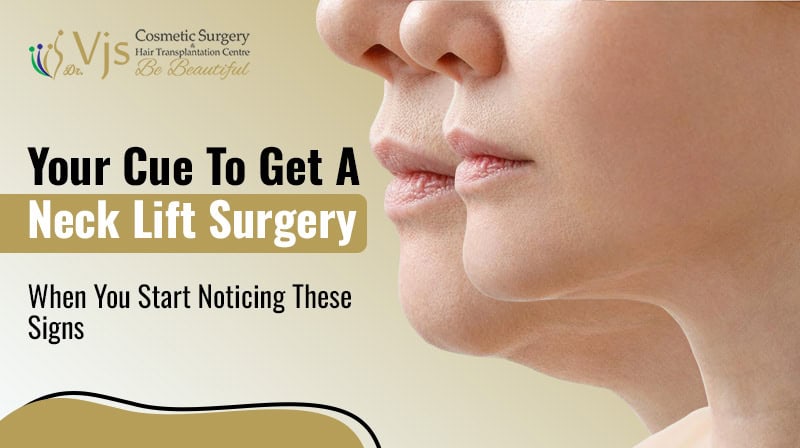
Vj-clinics-neck-lift-surgery-benefits-close-up.

Neck Lift Surgery: Candidacy, Options, Risks and Recovery

Loading

Changes in the neck can occur with ageing, genetics, skin laxity, muscle changes and weight fluctuation. Some people are comfortable with these changes; others consider cosmetic treatment. A neck lift is an elective surgical option and is not something a person needs simply because they have loose skin, a softer jawline or visible ageing.

What a neck lift can address

A surgical plan may be designed to address selected excess skin, visible platysma bands or contour changes beneath the chin and along the jaw. The exact procedure depends on anatomy. In some patients, treatment may involve skin tightening and platysma work; in others, limited fat removal or another facial procedure may be discussed.

Liposuction alone does not correct significant loose skin, and a neck lift does not stop future ageing. The appropriate approach should be chosen after examination rather than from photographs or online descriptions alone.

Who may be considered for surgery?

Candidacy is based on more than age or the presence of a “double chin.” A surgeon considers skin quality, fat distribution, platysma position, jaw and chin anatomy, previous procedures, smoking or nicotine exposure, medical conditions, medicines and the person’s goals. Some contour concerns may be better addressed with a different procedure, while some people may decide not to have surgery at all.

Possible benefits and realistic limitations

A neck lift can improve selected contour concerns, but results are not permanent or guaranteed. Skin and deeper tissues continue to age, and future weight changes can alter the appearance. Natural asymmetry may remain, and no operation can promise a specific jawline or exact degree of tightening.

Risks to understand before deciding

Potential complications include bleeding or haematoma, infection, fluid collection, delayed wound healing, visible or widened scars, asymmetry, contour irregularity, numbness or altered sensation, nerve injury, skin problems and the possibility of revision surgery. Anaesthesia also carries risks that depend on the individual’s health and the type of procedure planned.

Recovery is individual

Swelling, bruising, tightness and temporary sensory changes can occur after surgery. Return to work, exercise and normal activity varies according to the operation and the person’s healing. Patients should follow the operating surgeon’s instructions about dressings, activity, wound care and medicines rather than relying on a universal recovery schedule.

How to prepare for a consultation

  • Describe the specific neck or jawline changes you want assessed.
  • Share previous facial or neck procedures and any history of difficult healing.
  • Provide a complete list of medicines, supplements and nicotine use.
  • Ask which structures the proposed procedure would address and which it would not.
  • Discuss scar location, recovery expectations, complications and revision policy.

You can review the broader cosmetic surgery information or use the Contact Us page to arrange an individualized assessment.

Top Cosmetic Procedures Men Are Opting for in 2025

Cosmetic Surgeries Men Prefer

Loading

Generally, you must have noticed that women are more inclined towards getting cosmetic surgeries done to become more beautiful, if they are not satisfied with their looks. In this modern world, opting for surgeries has become quite common. Initially, only women were engrossed in such surgeries but now men have also started showing their interest as today, men have become too conscious about their looks as well. 

You can find a plethora of men who are not satisfied with their appearances, they feel inferior to others just due to this. Sometimes other people make fun of them and humiliate them. To get rid of such embarrassment, they prefer surgeries to boost their confidence. They go for cosmetic procedures to have that look that matches their personality. 

Mental Well-Being

After getting surgeries done, men tend to have good mental health as they no longer worry about their looks. They do not feel embarrassed any more and go out confidently. They do not take stress about what others will say or how people will react; they just go out confidently and flaunt their looks in front of others. This helps to have good mental health as they feel happy from inside. 

Let us discuss some of the common surgeries that men prefer: 

Rhinoplasty (Nose Job)

The nose is reshaped or resized by this surgery, and it is quite popular among men. If men have long-standing issues or injuries, then this surgery is preferable. 

Gynecomastia Surgery (Male Breast Reduction)

Many men feel discomfort due to having large breasts; hence, they prefer breast reduction surgery to get rid of this problem. 

Liposuction

Sometimes males have excess fat in some particular areas of the body like abdomen, chest and flanks. To remove that fat, this surgery is done. It is extremely useful to have that perfect body which one desires. 

Facelift

When the age progresses, one tends to face the problem of loose skin and wrinkles, which make a person look aged. Hence, in order to look young, one opt for such a surgery to look young at the age of 40s or 50s also. 

Botox and Fillers

Quite popular in today’s era, fine lines and wrinkles get reduced due to botox and fillers. These help to have smooth skin. 

Six-Pack Abs Sculpting

Today, men are becoming mad to have six-packs and for this they do a lot of effort in the gym. Six-pack abs sculpting is the simplest way to get six-pack abs. Under this, the excess fat is removed and the natural muscle contour is enhanced. 

Tummy Tuck

When a man loses weight, then this surgery is performed to remove the excess skin created due to weight loss to have a flatter stomach. 

Hair Transplantation

Men usually go for hair transplant to regrow their lost hair due to stress or age factor. Hair loss is a normal thing and it can be rectified with the help of hair transplant. 
At VJ’s Clinics, we perform the best surgeries and give you the results you desire. Any negligence in the surgery can have a negative impact; therefore, always prefer some professions for doing surgery and we are the professions who perform their duty perfectly.

```html ```