
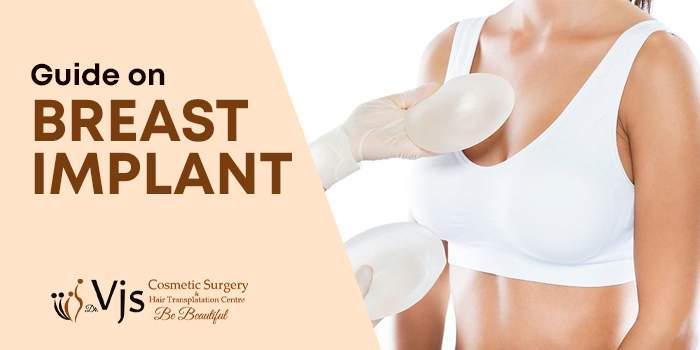

Breast implants are not lifetime devices, but there is also no single expiry date that applies to every implant. Some patients keep an implant for many years without needing surgery, while others need earlier review because of rupture, capsular contracture, implant movement, infection, changes in the surrounding breast tissue or a change in personal preference.
Routine follow-up matters because some implant problems are obvious while others can develop with few symptoms. Anyone considering implants should understand that future imaging, monitoring and possibly revision surgery may become part of long-term care. The breast augmentation page explains the procedure and broader surgical considerations.
Do breast implants need to be replaced after a fixed number of years?
No. Breast implants should not be described as devices that must automatically be replaced at 10, 15 or 20 years. The decision to remove or replace an implant depends on the type of implant, symptoms, examination, imaging where appropriate, the condition of the implant and capsule, and the patient’s goals.
A patient who has no symptoms may still need periodic clinical review. For silicone implants, the treating clinician may recommend imaging surveillance based on the device, current regulatory guidance and individual circumstances. Patients should follow the advice given for the specific implant they have rather than relying on a universal timetable from an older article.
Reasons an implant may need review, removal or replacement
Capsular contracture
Scar tissue normally forms around an implant. In some patients that capsule can tighten and become firm, painful or distort the breast. Management depends on severity and may include observation or surgery.
Saline implant deflation
If a saline implant develops a leak, the breast often loses volume because the saline leaves the shell and is absorbed by the body. The implant shell remains and should be assessed by a surgeon.
Silicone implant rupture
A silicone rupture may sometimes be difficult to detect by appearance alone. Possible signs can include a change in shape or firmness, discomfort, swelling or other new symptoms, but some ruptures are found only on imaging. A new breast change should be assessed rather than self-diagnosed.
Implant position, rippling or asymmetry
Implants can shift, rotate or become more visible or palpable over time. Rippling may be more noticeable in patients with thinner tissue coverage. Ageing, pregnancy and weight change can also alter the breast independently of the implant.
Infection, fluid collection or other complications
Increasing redness, warmth, swelling, drainage, fever, severe pain or a sudden change in the breast warrants prompt medical review. Any persistent late swelling or fluid around an implant also needs proper assessment rather than reassurance based on appearance alone.
Personal preference
Some patients choose to exchange implants for a different size or type, while others decide to remove them. Removal does not guarantee that the breast will return to its pre-surgery appearance because skin and breast tissue can change over time. In selected cases, a breast lift or another procedure may be discussed, but combined surgery has its own risks.
What follow-up should patients expect?
Follow-up should be individualised. Patients should keep their implant information, attend recommended reviews, report new breast symptoms, and continue routine breast-health screening appropriate for their age and risk profile. An implant does not replace normal breast screening.
Do not wait for a fixed anniversary before seeking care if something changes. Likewise, do not assume an implant must be replaced simply because a certain number of years has passed.
Questions to ask before revision surgery
- What is the reason for recommending removal, replacement or observation?
- Is imaging needed before deciding?
- What happens to the capsule around the implant?
- What scars and recovery should I expect?
- Would a lift or other procedure add benefit, and what additional risks would it introduce?
- What follow-up is needed after the revision?
Patients with concerns about an existing implant can contact the clinic for an individual assessment. Decisions about removal or replacement should be based on examination, implant history and patient priorities rather than a blanket rule.