Factors to choose the right hair transplant clinic
Free Video Consultation

Category: haircare

What factors can help an individual of Vishakhapatnam to choose the right hair transplant clinic

What factors can help an individual of Vishakhapatnam to choose the right hair transplant clinic

Loading

Hairfall has become a devil in the lives of folks. They are consistently struggling with the hair fall issues which have taken a toll on their confidence and self-esteem. Some people isolate themselves and confine themselves to a room to avoid public embarrassment. However, the advancements in medical science have resolved these issues to a large extent with a large number of medications and treatments available to restore the lost hair or receding hairline such as hair transplantation.

What is hair transplantation?

Hair transplantation refers to the process of implanting hair follicles by small incisions to the bald areas of the individual by extraction of hair follicles from regions having a thick growth of hair.

How to choose a hair transplant clinic?

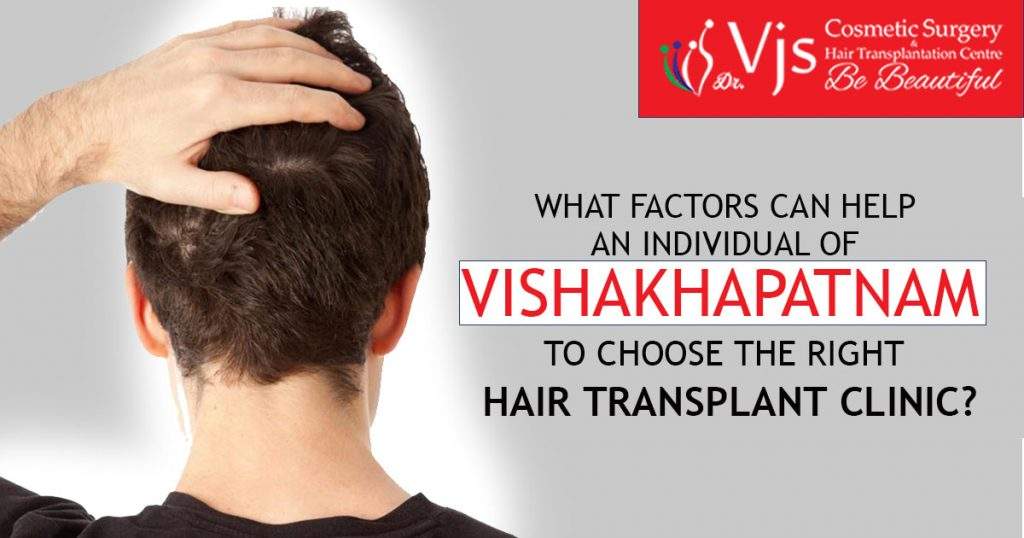
Hair transplant treatment is available so much so that a hair transplant clinic can be found in every nook and cranny of localities of Vishakhapatnam. This makes it a challenging affair to identify the best hair transplant clinic in Vishakhapatnam. The following mentioned factors can help inhabitants of Vishakhapatnam to choose the best of the rest:

  • The qualified surgeon and team: hair transplantation is a surgical procedure and therefore choosing a well-qualified surgeon who has acquired his degree from a reputed professional organization is very important. Along with the surgeon, his associate team of technicians is also important. This is because hair transplant surgery is not an individual surgery but a collective work. This makes it essential to thoroughly investigate the particulars of the surgeon and his team.
  • Services in a written format: it is indeed wise to go for a clinic that offers a detailed description of its services on a written sheet of paper. This leaves no miscommunication on the part of both the parties. The candidate willing for the surgery has clarity regarding all that will be included in the hair transplantation package and the surgeon, as well as the clinic also know, what they are going to provide and what has been promised from their side.
  • Individual consultation and counseling: the decision to get hair transplantation is major. The patients always are equipped with a lot of doubts and queries in their minds before undergoing the surgery. Some may be scared, nervous, or anxious before the surgery even though the decision for hair transplantation is totally theirs. They can only be settled won if their surgeon has a one-on-one conversation with them illustrating the exact procedure of surgery, the difficulties which the patient may encounter during and post-surgery, the total time required to recover, as well as patiently listens to and answers all the queries arising in the mind of the patient.

Hair transplantation therefore, becomes imperative to indulge in thorough investigation and examine every intricate detail before finalizing the hair transplant clinic.
 

Common side effects of hair dye you all should keep in mind

Hair Dye Reactions and Hair Damage: What to Watch For

Loading

Hair colouring products can cause problems for some people, particularly scalp irritation, allergic contact dermatitis and damage to the hair shaft. The risk varies by product, ingredients, frequency of use and individual sensitivity.

Hair shaft damage

Repeated bleaching or colouring can make hair dry, brittle and more prone to breakage. This is different from permanent follicle loss. If increased shedding or thinning continues after stopping a product, a separate hair-loss assessment may be appropriate rather than assuming that transplantation is needed.

Allergic reactions

Some hair dyes contain ingredients that can trigger allergic contact dermatitis. Symptoms may include itching, redness, swelling, burning or a rash around the scalp, ears, face or eyelids. Follow the manufacturer’s safety instructions, including any recommended allergy alert test, and do not reuse a product that has caused a significant reaction without medical advice.

When symptoms need prompt attention

Seek urgent medical care for difficulty breathing, rapidly increasing facial or throat swelling, widespread blistering, faintness or another severe reaction. Persistent scalp inflammation, weeping skin or significant pain should also be assessed by a clinician.

What about cancer risk?

It is misleading to state that ordinary use of hair dye has been proven to cause cancer in every user. Research has examined possible associations with some dye exposures, but findings vary by exposure pattern, product era and cancer type. People with specific occupational exposures or individual concerns should discuss them with an appropriate healthcare professional rather than relying on broad claims.

Hair dye during pregnancy

Pregnancy is not automatically a reason to describe all hair dye as harmful to the unborn baby. Anyone who is pregnant and concerned about colouring products can discuss timing, ventilation, skin sensitivity and product ingredients with their obstetric clinician and follow the product’s instructions.

Safer use

Use products exactly as directed, avoid applying dye to broken or inflamed skin, wear the recommended gloves and rinse thoroughly. If a particular product repeatedly causes symptoms, stop using it and seek professional advice. Hair transplantation is not a treatment for scalp irritation or hair-shaft breakage caused by colouring products.

FIGHTING THE HAIR LOSS WITH ANTIOXIDANTS

FIGHTING THE HAIR LOSS WITH ANTIOXIDANTS

Loading

Hair loss is a common problem being faced by many people nowadays. Not only men but women are also becoming victims of hair loss. Hair loss was earlier restricted mainly to older ages. However, it has become common among the youth too. That is why hair transplant has become quite common nowadays to restore the lost hair. It is being widely argued that the major culprit behind hair loss is the presence of oxidants in the atmosphere. It is definitely not possible to get rid of something that is present in the atmosphere. Sun, smoke, and pollution are the major contributors to oxidation.

WHAT IS OXIDATION?

It is essential to examine what oxidation is. The death of cells caused by changes in the makeup of cells is termed oxidation. With this, not only the skin is damaged but it gives an invitation to various diseases also. What is more, it is responsible for poor hair health too causing hair fall.

HOW CAN EFFECTS OF OXIDATION BE REDUCED?

The only way possible to reciprocate the effects of oxidation is the supply of antioxidants.  They can also be provided to hair indirectly by consuming foods rich in antioxidants.

FOODS RICH IN ANTIOXIDANTS

The foods rich in antioxidants speed down the process of oxidation. These can be vegetables, legumes, grain cereals, nuts, fruits, etc.

  1. Polyphenol antioxidants: these contain various phenol functionalities which help in fighting the saw palmetto repercussions. The foods rich in polyphenol antioxidants are legumes, cherries, cranberries, raspberries, plums, blackberries, and cantaloupe.

The vegetables that supply polyphenol antioxidants are onion, parsley, cabbage, and broccoli.

  1. Vitamin A: Vitamin A is generally available in the form of animal food which is known as retinol. Retinol is a yellow and fat-soluble vitamin. It can be obtained from milk, eggs, and liver.
  2. Vitamin C: Vitamin C promotes the health of hair. It accelerates scalp circulation which is imperative for hair growth We can get Vitamin C from pineapples, tomatoes, citrus fruits, kiwis, dark green vegetables, and green peppers.
  3. Vitamin E: Vitamin E improvises blood circulation and oxygenation which are good for hair health.

EXTERNAL SUPPLY OF ANTIOXIDANTS:

Antioxidants can be provided to hair externally and directly by using products comprising them. There are various shampoos that contain extracts of green tea and vitamins.  There are many tablets, and supplements which also comprise antioxidants and consuming them with doctor’s advice can promote hair growth too.

POINT TO NOTE

One very important point to note is that antioxidants whether externally or internally cannot be supplied for the sake of hair growth. There has to be a proper mix and balance as well as the timing of providing antioxidants to the body or to the hair otherwise, it can bring about undesirable outcomes.

Antioxidants are definitely effective to replenish the loss of hair and maintain the health of hair. They can miraculously restore the density and volume of hair if taken with proper consultation and caution.

How To Make Your Hair Grow Faster Tricks that made your hair Really Long

Can You Make Hair Grow Faster? Evidence-Based Hair Care Tips

Loading

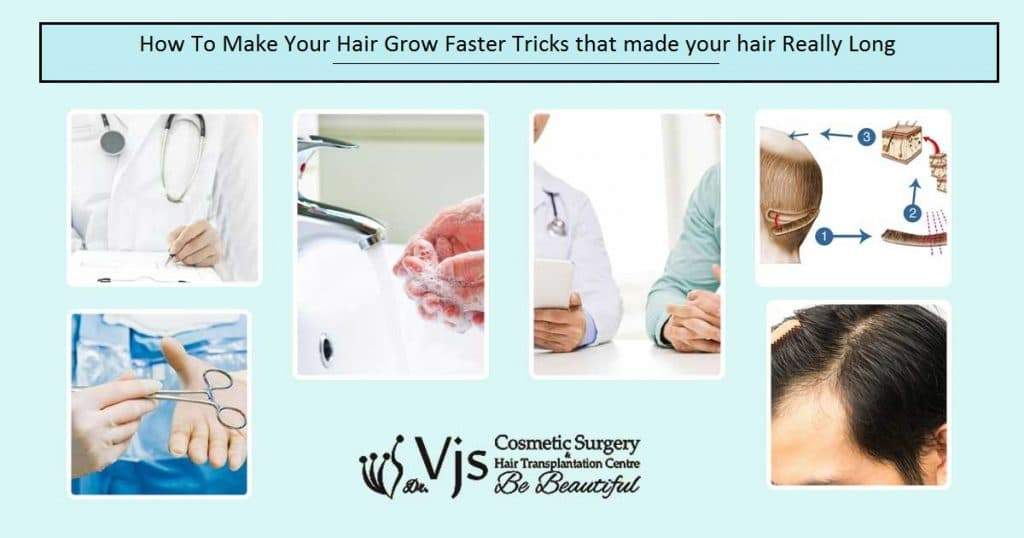
Hair growth speed is influenced mainly by genetics, age, hormones, nutrition, health conditions and the hair-growth cycle. Everyday hair care can help reduce breakage and protect length, but no home routine can reliably make follicles grow dramatically faster.

Focus on reducing breakage

Gentle handling can help hair retain length. Avoid repeatedly pulling hair into very tight styles, use care when detangling wet hair, and limit heat or chemical processing if it is causing dryness and breakage.

Scalp massage is not a cure for hair loss

Scalp massage may feel relaxing, but it should not be presented as a proven way to reverse significant hair loss. Persistent thinning, a widening part, receding hairline, patchy loss or sudden shedding deserves assessment for the underlying cause.

Be cautious with DIY remedies

Vinegar, oils and other home treatments are often promoted online, but they are not substitutes for diagnosis or evidence-based treatment. Acidic or fragranced products can irritate some scalps. If a product causes burning, redness or worsening shedding, stop using it and seek advice.

Nutrition matters, but supplements are not automatically needed

A balanced diet supports normal hair growth. Deficiencies in nutrients such as iron or certain vitamins can contribute to shedding in some people, but taking supplements without a documented need does not guarantee faster growth and can sometimes be harmful.

When to seek medical assessment

If hair loss is progressive, patchy, associated with scalp symptoms or continues for several months, review the possible causes with a clinician. The hair loss guide explains why diagnosis matters before choosing treatment.

A hair transplant is a surgical option for selected patterns of hair loss when donor hair is suitable; it is not a preventive treatment for ordinary breakage or a shortcut to faster hair growth.

Have a closer look at your hair and their growth

Hair Anatomy and the Hair Growth Cycle Explained

Loading

Understanding how hair is structured can make it easier to understand shedding, thinning and the limits of different hair-loss treatments. A visible hair fibre is only one part of a larger follicular unit that sits within the skin.

Hair shaft and follicle

The hair shaft is the part that extends above the skin. It is made largely of keratin and is not living tissue. The follicle is the skin structure from which the hair grows. At its base, rapidly dividing matrix cells contribute to formation of the hair shaft, while the dermal papilla plays an important role in signalling and growth regulation.

Scalp follicles can naturally occur in follicular units containing one or more hairs. This is relevant to hair-transplant planning because surgical grafts are based on naturally occurring follicular units rather than artificial bundles of hair.

Main structures around a follicle

  • Hair bulb: the enlarged lower portion of the growing follicle.
  • Dermal papilla: a small structure at the base of the follicle involved in growth signalling.
  • Matrix: rapidly dividing cells that contribute to formation of the hair shaft.
  • Inner and outer root sheaths: layers surrounding and supporting the developing hair within the follicle.
  • Hair shaft: the keratinised fibre that emerges above the skin.

The hair growth cycle

Individual scalp hairs cycle independently through several phases rather than all growing or shedding at the same time.

  • Anagen: the active growth phase, which can last for years on the scalp.
  • Catagen: a short transition phase during which active growth slows and the follicle changes.
  • Telogen: a resting phase before the old hair is eventually shed and a new cycle begins.
  • Exogen: the shedding stage in which the old hair fibre is released.

Why this matters in hair loss

Different conditions affect different parts of the follicle or growth cycle. For example, some disorders increase the proportion of hairs entering a resting or shedding phase, while androgenetic hair loss gradually miniaturises susceptible follicles. That is why persistent or unusual shedding should be assessed by cause rather than treated with a single generic solution.

For more context, see the hair loss information. Hair transplantation is relevant only for selected patients with suitable donor follicles and does not correct every disorder of the hair-growth cycle.

```html ```