What are the Different Ways to Prevent Hair Fall - FUE Hair Transplant, PRP, Mesotherapy?
Free Video Consultation

Category: Hair Restoration

Hair Loss Treatments: FUE Hair Transplant, PRP, Mesotherapy?

Hair Loss Treatments: FUE Hair Transplant, PRP, Mesotherapy?

Loading

Dr. VJs Cosmetic Surgery & Hair Transplantation Centre: Nowadays Hair fall has become one of the major problems all across the world. A survey provoked that almost 60-75% of people all across the globe are suffering from this pain but cannot find a perfect solution for this pain. Moreover, a simple hair fall seems to become a serious baldness tomorrow. Hairfall has a very adverse effect on a human being.

If you are the one who is going with the hair fall pain then there are numerous ways or techniques available that effectively help you to prevent hair fall and grow hair naturally. Along with that various hair transplant therapies are available that efficiently stop hair fall and provide the best results.


This hair transplantation therapy is considered as the best and simple solution or therapy for hair transplant. In this therapy, human hemoglobin which is enriched with plasma is used for regenerating tissues of its own. Moreover, the highly enriched plasma is directly injected or targeted on the extensive hair fall section. After 7-10 days, you will see the result in the targeted area. The targeted area is full of hair naturally.

Before moving forward let’s see how this therapy works?

In some cases, tissues die due to which human hair falls fastly day by day. If regenerated tissue or plasma is injected on the hair fall area then the hair starts growing.

This is the full working of the PRP therapy.

  • Mesotherapy

Most of the cases, hair fall occur due to some following reasons

1. Hormone Imbalance

2. Reduced Blood Circulation

3. Lack of sufficient nutrients

Well, mesotherapy provides a proper solution for hair fall prevention. It is an invasive treatment where tiny injections are injected on to the middle part of the skin in such a way to provide hormonal balance. After that, the blood circulation starts circulating so that the hair does not get thinner too. Most of the surgeons named this mesoderm.

This technique also becomes most popular as the follicular units are extracted from the donor (from the back of a human head) through which hair starts growing effectively. The major benefit of this surgery is that it is walk in and walk out therapy and less invasive. Most importantly, it does not require any sort of night stay. On the next day, humans start their work in a daily routine way. It delivers best-rated results.
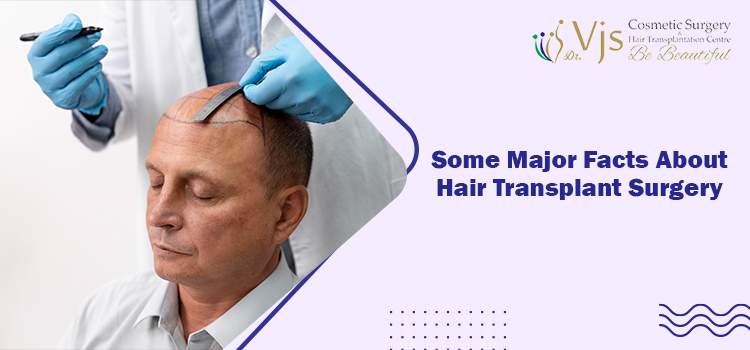


Which age is suitable for hair transplantation treatment?

Loading

When you notice a bunch of hair in your brush, you become nervous and immediately begin to discover how it can be regained, or possibly even seen in a hair transplant. It is very common to start losing your hair within 20 years but there is no immediate reason to quit.

It can be painful to discover the initial signs of hair loss issues but you start thinking the minor bald spot on top of your scalp which is growing bigger and bigger with the passage of time. Most of the hair loss issues are genetic, you should look at your father and grandfather, you should get to know how your scalp may look like at a certain stage of your life.

Many individuals in the 20s seek the services of hair transplantation surgeon. It is embarrassing as well as a frustrating situation when you’re in the highest setting of your life, and your hair starts to come out. Although no one likes to see their hair fall out, it can be peculiarly traumatic when it is so young.

Hair transplantation specialists recommend an ideal candidate for this procedure should be in the ’30s. Your baldness (or thinness) pattern has come out when you are in 30 and surgeons may recommend proper treatment or transplant depending on the pattern or severity of issues. 

Hair Transplant Process

You need to understand the mechanics behind hair restoration, before going into the reasons why hair transplants are not suitable for young individuals. In this procedure, the surgeon harvests hair from the donor region especially from the back of the scalp or any other part where there is the heavy supply of hair and then graft those harvested hairs strategically onto the areas which are balding or thinning.

It is not possible in this procedure that surgeon harvest donor hair from your peer or any other family member and transplant them onto your bald areas of the scalp, so the donor hair which is going to be transplanted must be your own. The reason the surgeon usually takes hair from the back of the scalp is that the scalp hair is more hormones resistant which causes baldness and the grafted hair will likely grow naturally with the passage of time in their new location.

Disadvantages of an early hair transplant

  • If you consider the transplantation of hair into your 20s, the surgeon will place resistant follicles onto the affected areas, but the hair will fall back on it. As transplanted hair grows, the end result will be a perceptible patch of strong hair (transplanted area) with thin or bald spots around it which creates an unnatural look.
  • Another disadvantage is that few individuals are destined to become completely bald. In such cases, you can never remove the same head hair from the back of your scalp(or body) even if you have a good donor supply that replaces the missing hair on your scalp.

Hair Transplant Benefits and Limitations: A Practical Guide

Loading

Hair transplantation can be an option for selected people with suitable donor hair and a stable pattern of hair loss. It is not a cure for every type of hair loss, and it should not be described as a guaranteed or permanent solution for everyone.

What a hair transplant can do

A hair transplant moves selected follicles from a donor area to areas where additional coverage is planned. Techniques such as FUE and FUT differ in how grafts are harvested, but both require careful donor assessment, hairline planning and realistic density goals.

For suitable candidates, the procedure can redistribute existing donor hair to improve coverage in selected areas. The amount of improvement depends on donor density, scalp characteristics, the size of the recipient area, future hair-loss progression and the number and quality of grafts that can be safely used.

Important limitations

A transplant does not create an unlimited new supply of follicles and does not stop untreated native hair from thinning in the future. Some patients may need ongoing medical management or further planning as their hair loss changes over time.

Scarring is possible with both FUE and FUT, although the pattern of scarring differs. Temporary shedding, swelling, discomfort, infection, altered sensation and uneven growth are among the issues that should be discussed during consent.

Maintenance and follow-up

Follow-up is part of surgical care. Patients may need more than one review, and aftercare should be based on the surgeon’s instructions rather than a fixed universal schedule. Any medicines used for hair loss should be discussed separately because they have their own benefits, limitations and possible side effects.

Cost is individualized

There is no single price that applies to every patient. Cost may depend on the technique, graft requirement, complexity of the case, previous procedures and the treatment plan agreed after assessment. Comparing treatment only by price can overlook donor safety, long-term planning and follow-up.

Is it the right option for you?

The most useful question is not whether transplantation is the “best” treatment, but whether it is appropriate for your diagnosis and goals. Start with a proper hair-loss assessment and review the main hair transplant guide before deciding on surgery.

Wondering about the steps involved in hair transplant treatment?

Loading

Dr. VJs Cosmetic Surgery & Hair Transplantation Centre: Dr. C. Vijay Kumar, Hair transplantation is the surgical treatment in which the surgeon harvests the hair from the donor region especially from the back of the scalp or from any other body part which has thick hair and then transplants that harvested hair on the balding or thinning areas precisely. Once the grafting process is done then surgeon covers the treated area with bandages. A hair transplant is a sensitive procedure and should be performed by a professional and experienced surgeon.

Tissue Expansion:

Tissue expansion is another method that is used in treating baldness issues. In this method, a balloon-like instrument known as a tissue extender is found underneath a hair follicle that resembles a bald area. The apparatus is slowly opened with salt water during the week, which expands the skin and gives rise to new skin cells. A bulge below the head is created by this procedure which affects the hair follicle, peculiarly after few weeks.

Flap Surgery:

This method is tailored to each patient because they can cover large bald areas steadily. The flap size and its placement based on the goals and requirements of the patient.

Surgeons cut the bald scalp portion and raise a flap of hairy skin over the surface while still attached at one end. Surgeons brought back the flap producing hair to its original position and sewn in place, but its original supply of blood still tethered. As you heal, you will notice that the stain is covered by swollen hair – or at least obscure., Which extends to the very tip of the incision.

Scalp Reduction:

Lack of coverage of bald and thin areas on the top and back of the scalp. This is not useful for frontline airline coverage. A portion of the bald scalp is removed after injecting the local anesthetic. The pattern of the removed skull varies widely depending on the goals of the patients. Doctors usually remove a section of the scalp in the opposite wind-shape, If a large amount of coverage is required. The size of the excision can be the same as U, numbered ellipse or any other size.
Procedure Steps

Before: The candidates who undergo this procedure should pay some attention to hair loss along with the growth of hair on the back and sides of the scalp which are healthy and thick.

Step 1: Surgeon uses a tube-like tool that harvests round grafts from the donor area and transfers the harvested grafts to the affected areas.

Step 2: It is surgically inserted over the balding or thinning area when the skin has stretched enough beneath the hair.

Step 3: During flap surgery, the surgeon cuts out a portion of the bald scalp and makes a flap of hair-bearing skin, which is later on sewn into its point.

Step 4: The scalp reduction pattern differs widely, but meet all the requirement of the patients by regaining hair and covering bald areas.

After: The effective outcomes of hair transplantation boosts morale and enhances the physical appearance of the person.

Hair Transplant Assessment: Diagnosis, Donor Hair and Technique Selection

Loading

Hair loss can have many causes, including androgenetic alopecia, temporary shedding, scalp disease, nutritional problems and medication-related changes. A hair transplant may be considered for some people, but it should not be presented as the automatic answer to every type of hair loss.

Assessment comes before surgery

Before planning a transplant, the clinician should review the pattern and duration of hair loss, examine the scalp and donor region, and consider relevant medical history. Additional tests may be appropriate when the pattern suggests an underlying condition or when active shedding has not been explained.

Donor hair sets practical limits

Hair transplantation redistributes existing follicles; it does not create an unlimited new supply. Donor density, hair calibre, scalp laxity, previous procedures, scarring and the size of the treatment area all influence what coverage may be realistic.

FUE

Follicular unit extraction (FUE) removes follicular units individually from the donor area. It avoids a single linear donor scar, but it still creates multiple small extraction scars. The pattern and visibility of those scars can vary with extraction density, healing and hairstyle.

FUT

Follicular unit transplantation (FUT) removes a strip of donor scalp that is then divided into follicular-unit grafts. It typically leaves a linear donor scar. FUT may be considered when its donor-management advantages fit the patient’s anatomy, graft needs and preferences.

No technique is automatically the “best” one

FUE and FUT have different trade-offs. The decision should consider donor preservation, scarring preferences, required graft numbers, previous surgery, healing history and possible future procedures. In selected cases, more than one approach may be discussed over time.

Plan for future hair loss

Transplanted follicles do not prevent untreated native hair from thinning elsewhere. A conservative hairline and long-term donor strategy can therefore be important, especially when hair loss is still progressing.

For more background, review the hair loss information and the main hair transplant guide. Any recommendation should follow an individualized assessment rather than a promised result, a patient anecdote or a fixed graft package.

Interesting things about hair restoration that you must know

Interesting things about hair restoration that you must know

Loading

Well, this is completely a misconception that only men suffer from hair fall or baldness. However, this is not the truth because there are several people who are suffering from hair fall include women. As there are several reasons behind hair fall problems such as fluctuations in hormones, certain medical conditions, and so on. In these conditions, you have to visit a hair loss specialist to get the right treatment. He may recommend you to undergo a hair transplant in Visakhapatnam if you are losing too much hair and have many bald spots on your scalp.

Causes of hair loss

Our hair is made of keratin, which is a type of protein. Everyone is born with a little amount of hair and after these start growing. There are three phases of hair growth cycle such as-:

The Anagen phase-: In this phase, your hair starts growing and this phase lasts up to 7-8 years.

The catagen phase-: In this phase of the hair growth cycle, your hair stops growing and this lasts up to weeks.

The Telogen phase-: This is the last phase, which is additionally known as the resting phase of the hair growth cycle. In this phase, everyone experiences hair loss, and this phase lasts up to almost 3 months.

As we stated above, there are several causes of hair fall, due to which you experience bald spots or excessive hair fall. To get the right treatment for your condition, you have to know and understand the reasons behind hair fall problems in both males and females. These are-:

  • Overage
  • Hormonal changes
  • certain medical conditions such as diabetes, hypertension, thyroid problems, and so on.
  • Cancer is the main reason behind hair fall problem.
  • Treatment of cancer includes chemo and radiation therapy.
  • Taking too much stress and in stress, people start pulling hair.
  • Taking too many medications
  • Women experience hair fall in the pregnancy period.
  • Another main reason behind hair fall is genetic factors. This type of hair fall is additionally known as hereditary hair fall.

In these conditions, you may need to undergo hair transplantation, so let’s have a look at hair transplantation.

What is hair transplantation?

This is additionally known as hair restoration, which is a type of surgical treatment to cure hair fall problem. This treatment option is beneficial for men and women, to regrow hair on their scalp. Additionally, this is the best and most well-known treatment which does not result in any type of side effects.

Moreover, hair restoration has two types such as-:

FUT-: This is the conventional way and stands for Follicular Unit Transplantation. In this treatment option, specialist harvests a strip of hair and transplant it to the affected area after preparing. Well, this results in scarring at the back of the head, which fades away over time.

FUE-: This is another method to treat hair fall problem in both men and women. This is an advanced way to treat hair fall and does not result in any type of scar. Since this treatment specialist collects the single hair graft from the donor area.

What is Hair Restoration Treatment & Why Do We Need It?

What is Hair Restoration Treatment & Why Do We Need It?

Loading

Dr. VJs Cosmetic Surgery & Hair Transplantation Centre: Hair loss is one of the major factors which causes a decrease in self-confidence and negation of body image. In the current times, both men and women face hair loss in those early years. The cause may lie in their genetics, lifestyle or dietary habits. However, they need not worry as many treatment options are available. Hair Transplant in Visakhapatnam is a good option when it comes to getting treated for hair loss in south India.

What are the various methods of hair restoration treatment?

Hair transplant

A hair transplant surgery involves the transfer of hair follicles from areas of high density to the areas of low density. It is important to have a detailed discussion with the surgeon beforehand so that the diagnosis and the discussion about the surgery can be carried out. It will also include the determination of your eligibility for the procedure and marking out the donor and the recipient area.

Types of Hair Restoration Treatments

There are four types of hair transplants:

Micro Graft Hair Transplant

It involves processes to restore hair growth in minor areas like temples, hairline, and areas of low density. Usually, skin grafts of 1-3 follicles are grafted from the donor area to the recipient area. The density determines the number of grafts required by the patient along with the size which needs the transplanted hair. The procedure of Micro grafts requires minor sedation.

Mini Graft Hair Transplant

It is similar to micro grafts as it also uses grafts of 3-4 follicles per graft. It undertakes the transplant of 1500-3000 grafts or more. The procedure is best for areas with moderate hair growth. It is usually carried out for the scalp and the hairline areas.

Maxi Graft Hair Transplant

This procedure is used for treating areas with moderate hair fall. It involves the transfer of 12—13 hair follicles per graft. Balding scalps and crown area are best treated by this procedure.

Follicular Unit Extraction (FUE)

It involves the individual grafting of follicles into the scalp. In this case, each follicular unit contains four hair strands. It is a suitable technique for people who prefer short hairstyles. This procedure, however, requires the presence of high hair density at the back of the head, otherwise, the procedure can’t be implemented. FUE takes a longer time as compared to other procedures.

The procedure which suitable for you will be determined by the rate of hair loss progression, the budget of the patient, the degree of hair loss, postoperative discomfort and the recovery period.

Usually, surgeons combine several procedures to give favorable results. All these factors are usually discussed between the doctor and the surgeon in the initial consultation.

After eight to twelve weeks, the hair follicles will produce new hairs. One to four strands will grow out of each follicle. Some hair may not grow at this time. The remaining hair will grow after six months of the procedure. The results tend to vary from individual to individual.

How Many Grafts and Hair Transplants sessions Do I Need?

How Many Grafts and Hair Transplants sessions Do I Need?

Loading

Hair transplant demand has increased a lot in the past few years. This is because the results of this treatment are better as compared to other methods of hair restoration. During the surgery, the hair follicles are taken from the donor area so that it can be transplanted where hair growth is very less. Most of our patients, ask us how many hair transplants will they need so that the results they are looking for will be achieved?


Hair transplant in a one-time procedure

The benefit of hair transplant is that the treatment is involved around the type of hair loss you are experiencing. When the problem starts it is defined pattern and that is the reason it is known as male-pattern baldness and female-pattern baldness. But you might think how is this beneficial? This is because the surgeon can easily identify the pattern and where the hair is more so that they can be transplanted to the balding areas. This is the reason why hair transplant is a one time process. Those who are looking to get the treatment should consult the doctor for Hair Transplant in India. The goal of this process is to:

  • Natural looking hair

      During the consultation, the surgeon will evaluate the hair loss. This helps in knowing about the pattern properly so that the graft can be transplanted effectively. Moreover, the hair follicles are placed according to the natural hair growth so that the regrowth of hair match the hairline.

  • Proper coverage

      The surgeon makes sure in one session proper coverage is given to the bald area or where the hair very less. This will ensure that the results are appropriate and long-lasting also.

  • Permanent results

      The patient has to get the treatment only one time as the results are permanent. This is because the latest technology and methods are used in the surgery.


Is the second transplant needed?

The chances are very rare that you have to visit the doctor for another session. There are some factors which can affect the results of the first transplant. We have mentioned some reasons why this situation might arise.

  • Choosing the inexperienced surgeon

One thing which you should always keep in mind choose the best surgeon for any type of surgery. The results of the surgery are more effective and best. If you choose the surgeon who has not done his proper training than the results will be affected. Due to this, you might be visiting the clinic for another transplant.

  • Scarring

      In some cases, the patients have to visit the doctor to get the scar hidden which have occurred because of bad hair transplant.

  • Proper density

      Sometimes the problem is in excess so in one session the grafts cannot be transplanted. It is also necessary that optimal density is achieved.

  • Progression of baldness

      Some patients get the treatment at a very young age and at that time the pattern is not clear. In the future, it might happen that the baldness progresses at some other area which was not there earlier.


No doubt, the results are effective in one session. Make sure you follow the doctor advise properly so that no problem arises and take all the medications properly. In case, if any problem arises consult your doctor as soon as possible.

Hair Transplant: India is the country which leads in the business of harvesting hair

Hair Transplant: India is the country which leads in the business of harvesting hair

Loading

Hair transplant surgery is a surgical medical procedure which includes transplantation of hair follicles from the back of the head to the affected area. This procedure includes two types of methods such as FUE and FUT additionally both methods are effective and give permanent results.

Additionally, hair transplant in India gives you many benefits such as less scarring, natural looks, permanent results, and cost-effective. That’s why bald people choose this procedure more over other medical procedures. Moreover, some type of hair growth or hair loss medication can lead to such type of infections.

Why picking hair transplant in India is a great choice?

A recent study reveals that India is the country which is now leading in hair transplant business. Many people follow this country because they offer cheap and the best quality hair transplant in the world. Majority of people demonstrate that they offer this procedure at a very low cost as compared to the US cost such as in $2000. whereas the US offer this treatment is $20000 which is too much.

FUE

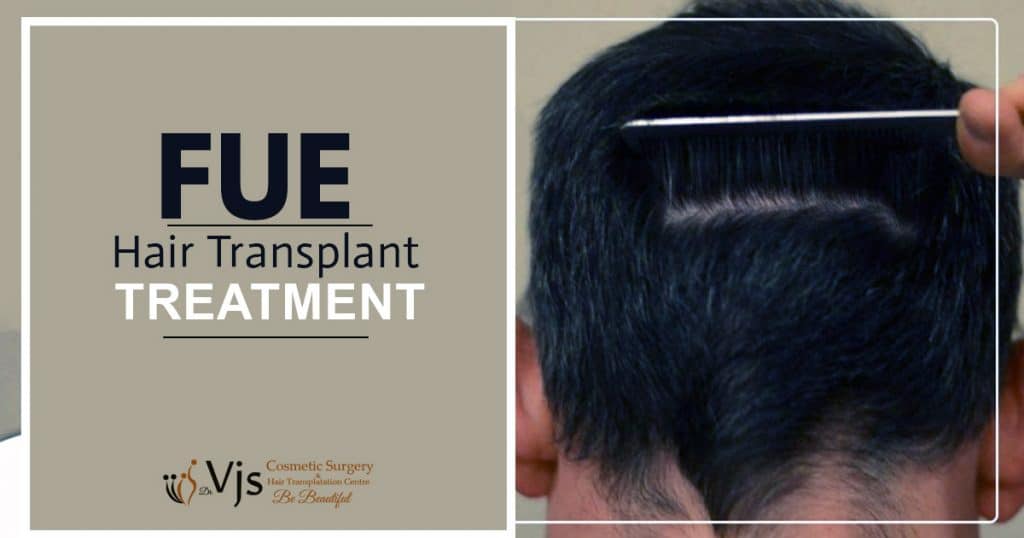
FUE hair transplant method is additionally known as Follicular Unit Extraction, in which your surgeon take a single follicular unit from your donor area. Then he will unite the hair grafts in order to transplant these on the affected area. In this method, he does not use a strip in order to collect hair graft. That’s why this method is well-known for less scarring and require less recovery time. Additionally, this system is totally painless because this system does not need any type of incisions. You may feel linear scar which is not noticeable or maybe faded away over time.

The surgeons of this country are well trained and experienced, that’s why people follow them. In an interview, they said that people of Arab countries follow hair transplant in India most as compared to others because they encounter this problem more. There is a number of reasons behind hair loss in Arab countries such as hot and dry climate which leads to hair breakage and pulling. The second reason behind this condition in these countries is the habit of covering the head all the time. Because this task leads to dryness and dryness cause dandruff which is responsible for hair fall.

The most important and primary reason behind this hair loss condition is purified sea water which is full of sea salt. And many studies reveal that salt is the most cause of hair fall in all age groups.

That’s why people of Arab countries lean toward hair transplant procedures at low costs. This will not only treat their baldness but also gives them more permanent and natural looking results.

Hair Restoration: Which technique is best to get the hair to grow back?

Hair Restoration: Which technique is best to get the hair to grow back?

Loading

Most people are conscious about how they look and their hairs should perfect. On average, every person loses 50 to 100 strands of hairs.

Some people choose this method either get their hairs back or just to later the hairline.  Due to this, people get confused about which method they should choose. So, for that, we have prepared the list to help you choose the right and best method.

Surgical Method

Hair transplant is the best method of hair restoration and also the most effective. It helps in achieving the desired results which the patient is looking for. There are two methods this surgery. The decision will depend on the

This method is conventional but still, it is used frequently to treat the problem of hair loss. During the surgery, the surgeon will cut a strip from the back and side of the scalp. After that, the hair follicles are extracted from the strip and then they are transplanted on the affected area where hair growth is very less. The advantage of this method is that the highest numbers of grafts are transplanted. But the problem is that it this leaves a scar on the scalp after the surgery. Additionally, this method is quite uncomfortable because the person has stitches on the scalp and there is swelling on the scalp also.

If you are not able to cut your hair short then this technique is the right choice for you. This method is gaining popularity because of the technique used. In this method, the hair follicles are taken one by one from the back of the scalp and then they are transplanted on the affected area which is also referred to as donor area. Before the surgery, the donor area is shaved properly. Additionally, this method is quite effective and painless as compared to other methods. Even after the surgery, it does not leave any scar on the scalp and also the swelling goes away in a few weeks.

  • Neograft

It is an advanced FUE technique which makes the entire process of surgery. This method is automated which means it makes the removal and transplantation of hair follicles more convenient and fast. The main aim of this method is to reduce the swelling and scarring. Due to this, the recovery process is fast and the hair growth will be seen early. But it is equally important that you should follow the doctor prescription and follow his advice properly.

Medications

In some cases, the problem can be treated by taking the medication. No doubt, the problem will not be solved completely but it will definitely slow down the process of hair fall and balding.

  • Finasteride

The medicine is helpful in stopping the conversion of testosterone into dihydrotestosterone. This is a hormone which contributes to male pattern baldness. If taken in the early stages, it helps in increasing hair growth.

  • Minoxidil

This method also helps in hair growth as it dilates the small blood vessels in the body.

```html ```