
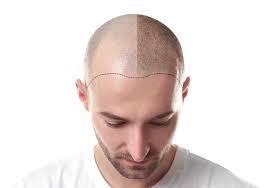

Hair transplantation can be considered for selected people with stable, established hair loss and an adequate donor area, but it is not the right treatment for every type of shedding or baldness. A proper assessment should first identify the cause of hair loss, check scalp health and estimate how much donor hair is realistically available.
If you are still investigating the cause of thinning, start with the hair loss guide. If surgery is being considered, the main hair transplant guide explains candidacy, planning, techniques and recovery in more detail.
Who may be considered for a hair transplant?
Hair transplantation is most commonly discussed for patterned hair loss or selected areas of permanent hair loss where the donor region is suitable. It may also be considered in some scar-related cases after specialist assessment. Conditions such as active alopecia areata, sudden diffuse shedding, inflammatory scalp disease or an unstable pattern of loss may need diagnosis and medical management before surgery is discussed.
Potential advantages
A transplant moves the patient’s own follicles from a donor area to selected recipient areas. When planning, graft handling, direction and density are appropriate, transplanted hair can blend with existing hair. However, the procedure cannot create unlimited density, and native non-transplanted hair may continue to thin over time.
Another potential advantage is that transplanted follicles generally do not require a separate artificial-hair maintenance system. Even so, follow-up remains important because healing, shedding, scalp care and progression of the underlying hair-loss condition vary between patients.
Important limitations and risks
No surgical hair-restoration procedure can guarantee complete coverage, a specific density or a lifelong unchanged appearance. Possible issues include swelling, temporary shedding, scarring, altered sensation, infection, poor graft growth, an unnatural hairline or the need for further treatment. The number of sessions required depends on the size of the area, donor supply, goals and future hair loss.
FUE and FUT also differ in how donor hair is harvested and in the type of scarring they may leave. The dedicated FUE guide and FUT guide can help you understand those differences before consultation.
How to decide whether surgery is worthwhile
A useful consultation should cover diagnosis, donor-area capacity, expected coverage, likely future loss, alternatives, recovery, risks and total treatment planning. Cost should not be the only deciding factor, and a responsible plan should avoid promising a result that the donor area cannot support.
For information about the treating clinician, review About Dr. VJs. To discuss your own pattern of hair loss and whether surgery is appropriate, use the contact page to arrange an assessment.