
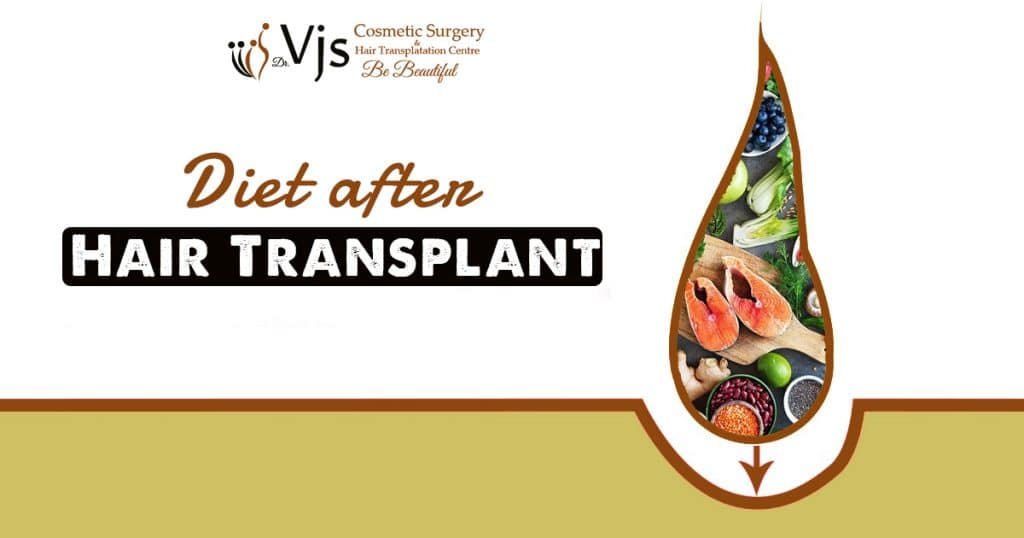

Food does not determine whether transplanted grafts will survive, but adequate nutrition supports normal wound healing and overall recovery. After a hair transplant, most people do not need a special “hair-growth diet.” The priority is a balanced eating pattern that provides enough protein, energy, fluids, vitamins and minerals without relying on unnecessary supplements.
Focus on regular meals and adequate protein
Protein is required for tissue repair, so meals can include foods such as eggs, dairy, fish, poultry, pulses, soy, nuts or other suitable protein sources. The amount needed varies with body size, usual diet and medical conditions. A transplant by itself is not a reason to take high-dose protein powders or supplements unless a clinician has identified a specific need.
Use a varied diet rather than chasing individual “hair vitamins”
Vegetables, fruits, whole grains, legumes, healthy fats and protein-rich foods can provide many of the nutrients involved in normal hair and skin biology. Iron, vitamin D, vitamin B12, zinc and other deficiencies can contribute to some types of hair loss, but supplementation is most useful when a deficiency or clinical indication is present. Taking extra zinc, iron or vitamins without a reason does not guarantee faster graft growth and can sometimes cause side effects.
Hydration and appetite matter during early recovery
Drink enough fluid to stay normally hydrated and choose foods that are comfortable if appetite is reduced after the procedure. Patients with diabetes, kidney disease, food allergies or other dietary restrictions should follow the plan recommended for those conditions rather than a generic post-transplant menu.
Alcohol, nicotine and caffeine should be discussed individually
Nicotine can impair wound healing and blood flow, so the treating team may advise avoiding smoking or other nicotine products around surgery. Alcohol can interact with medicines and may affect recovery, while caffeine recommendations vary between patients and procedures. There is no universal “two cups” rule; follow the surgeon’s written instructions and do not change prescribed medicines based on general online advice.
Nutrition does not replace diagnosis or long-term hair-loss management
Transplantation redistributes existing follicles; it does not correct every cause of hair loss or stop native hair from thinning. The hair loss guide explains why diagnosis and long-term planning remain important after surgery. For procedure-specific aftercare or questions about supplements, use the contact page to request individual guidance from the treating team.