

Start with verifiable qualifications, not marketing labels
Choosing a hair transplant provider should involve more than searching for the “best” clinic or comparing advertisements. Check who will assess you, who will perform the surgical steps, what qualifications they hold and whether the proposed plan matches your diagnosis and donor capacity.
Ask how your candidacy was determined
A responsible consultation should examine the pattern and stability of hair loss, donor density, scalp health, medical history, medicines and expectations. Ask why transplantation is being recommended now and whether medical treatment or observation should be considered first.
Understand who performs each part of the procedure
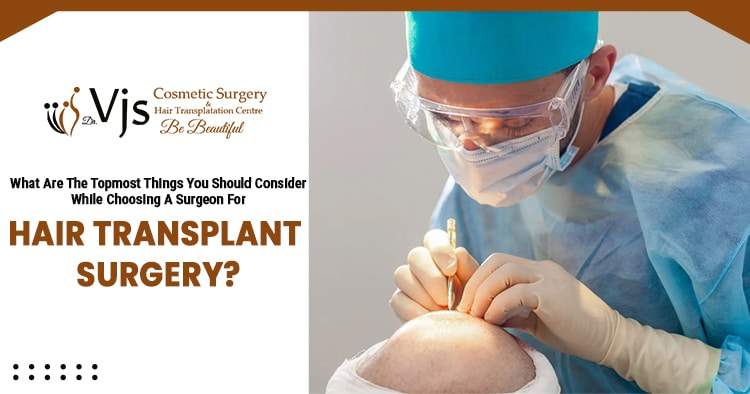
Hair transplantation involves planning, donor harvesting, graft handling, recipient-site creation and implantation. Ask which parts are performed by the doctor and which are delegated to trained team members. Clear roles and appropriate clinical supervision are more meaningful than vague claims about a “highly experienced team.”
Review the donor-area plan
The donor area is limited. Ask how many grafts are being proposed, how that estimate was reached and how enough donor reserve will be preserved for possible future hair loss. Excessive harvesting can leave visible thinning or scarring.
Discuss risks and recovery before consent
The consultation should cover bleeding, infection, swelling, temporary numbness, scarring, shock loss, poor growth, unnatural direction or density, and the possibility of needing further treatment. FUE does not mean scar-free surgery, and FUT does not suit every patient.
Use before-and-after photos carefully
Photographs can help show a clinic’s work, but they should not be treated as a guarantee. Lighting, hair length, styling, camera angle and the patient’s donor characteristics can all change how results appear. Look for cases with comparable hair-loss patterns and ask about the time point shown.
Check follow-up and long-term planning
Ask what follow-up is included, who to contact if a problem develops and how future thinning of non-transplanted hair will be managed. A sound plan should address more than the day of surgery.
For procedure details, read the Hair Transplant guide. You can also review the doctor profile and use the Contact page to arrange an individual assessment.