
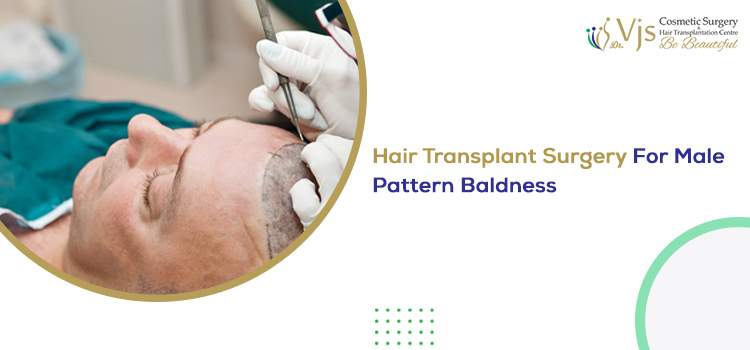

Receding temples and progressive crown thinning can be signs of androgenetic alopecia, but not every case of hair loss follows the same pattern. A diagnosis matters because diffuse shedding, patchy loss, scalp disease, nutritional problems and medication-related shedding can require a different approach.
What causes androgenetic alopecia?
Male pattern hair loss is strongly influenced by genetics and the sensitivity of scalp follicles to androgens. Follicles in susceptible areas gradually miniaturise, producing finer and shorter hairs over time. Family history can increase likelihood, but it does not determine exactly when hair loss will begin or how far it will progress.
What else can look like male pattern hair loss?
Other conditions can cause or worsen thinning. Examples include telogen effluvium after illness or major stress, alopecia areata, inflammatory scalp disorders, traction, nutritional deficiencies and some medicines. Sudden or patchy loss, pain, scaling, redness or scarring should not simply be labelled as genetic baldness.
The main Hair Loss resource gives a broader overview of different causes and why assessment can be useful.
How is the cause assessed?
Assessment usually includes the history and pattern of hair loss, scalp examination, family history, current medicines and relevant health factors. Additional tests may be considered when the pattern or history suggests another cause. No single treatment should be recommended before the likely diagnosis is established.
Treatment depends on the diagnosis
For androgenetic alopecia, clinicians may discuss evidence-based medical options, observation, camouflage strategies or surgery depending on the individual. Medicines can have side effects and are not suitable for everyone, so they should be discussed with an appropriately qualified clinician. Hair transplantation is a redistribution procedure rather than a cure for ongoing hair loss.
Questions worth asking before choosing a treatment
- What is the most likely cause of my thinning?
- Is the pattern stable or still progressing?
- Are there non-surgical options suitable for me?
- If surgery is being considered, is the donor area adequate?
- How could future native-hair loss affect the long-term plan?
For surgical planning, see the Hair Transplant guide. To discuss a diagnosis or treatment plan, use the contact page.