
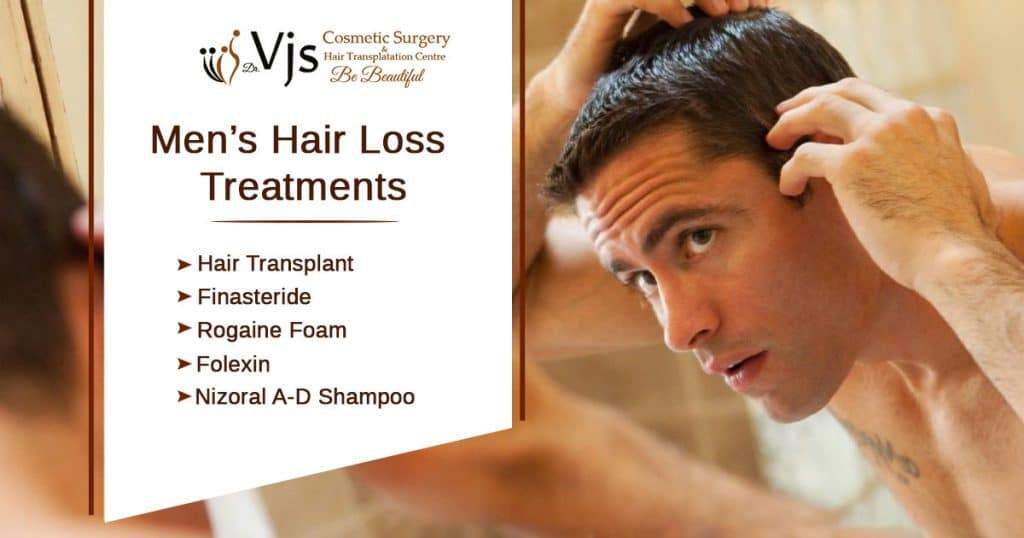

Men’s hair loss can result from androgenetic alopecia, alopecia areata, scalp disease, nutritional problems, medicines, illness and other causes. Treatment should start with the diagnosis rather than with a branded product or a promise of rapid regrowth.
When a hair transplant may be considered
Hair transplantation can redistribute follicles from a donor area to selected thinning areas, but it does not stop ongoing loss in untreated native hair. Suitability depends on the diagnosis, donor reserve, age and pattern of loss, scalp condition, previous procedures and realistic expectations. FUE and FUT differ mainly in how donor follicles are harvested and in their scarring patterns; neither method guarantees permanent density or a particular cosmetic result.
Prescription treatment requires individual medical advice
Finasteride is used for androgenetic hair loss in selected men, but it is a prescription medicine and is not appropriate for everyone. The expected benefits, contraindications, adverse effects and need for ongoing treatment should be discussed with a qualified clinician. Do not start, stop or change a prescription medicine solely because of general online information.
Topical minoxidil is another established option
Topical minoxidil may help some people with pattern hair loss, but response varies and continued use is generally needed to maintain benefit. The appropriate formulation and frequency depend on the product and the individual. Scalp irritation and other side effects can occur, so product instructions and clinical advice should be followed rather than assuming one schedule suits everyone.
Supplements are not a universal hair-loss treatment
Biotin and other vitamin or herbal supplements should not be presented as proven treatments for all forms of hair loss. Supplementation is most relevant when a deficiency or another specific indication has been identified. Unnecessary high-dose supplements can cause adverse effects or interfere with laboratory testing.
Dandruff shampoos do not treat every cause of hair loss
Ketoconazole-containing shampoo may be used for conditions such as dandruff or seborrhoeic dermatitis in appropriate patients. Treating scalp inflammation can improve scalp symptoms, but an anti-dandruff shampoo should not be promoted as a stand-alone cure for male-pattern baldness.
What about low-level light or laser devices?
Some low-level light devices are marketed for pattern hair loss, but outcomes vary between users and devices. They should not be promoted as guaranteed ways to produce long or natural-looking hair. Before spending on a device, ask what evidence supports the specific product, how long it must be used, what adverse effects are possible and whether it fits your diagnosis.
A practical treatment plan should match the diagnosis
A clinician may combine observation, medical treatment, scalp care and surgery depending on the cause and stage of hair loss. The main hair transplant guide explains surgical planning and limitations in more detail. For an individualized assessment, use the Contact Us page.