
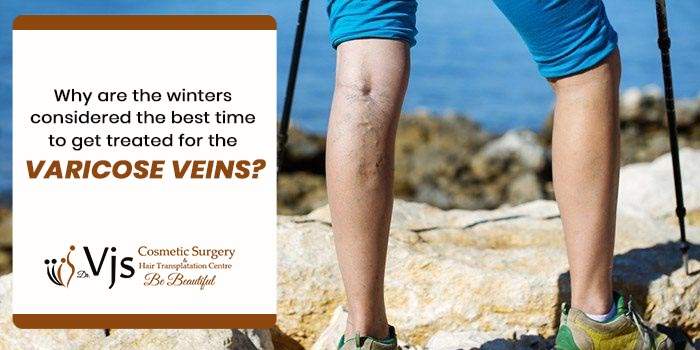

Varicose veins can cause aching, heaviness, swelling, itching or visible bulging veins, but the right time for treatment depends more on symptoms, vein anatomy, medical history and the planned procedure than on the calendar.
Does winter make varicose vein treatment better?
Not necessarily. Some people prefer treatment in cooler months because compression garments may feel more comfortable and treated skin can be easier to keep covered from strong sunlight. Those practical factors can make recovery more convenient, but winter does not make a vein procedure inherently safer, more effective or suitable for everyone.
What actually determines treatment timing?
A clinician may consider the severity of symptoms, skin changes, previous blood clots, pregnancy status, mobility, medicines, ultrasound findings and the type of treatment being discussed. People with mild symptoms may first be advised conservative measures, while others may need evaluation for procedures such as sclerotherapy, endovenous ablation, phlebectomy or surgery.
Compression garments and activity
Compression stockings are not required in exactly the same way for every patient or every procedure. If they are recommended, the pressure level and duration should be based on clinical advice. Recovery also does not mean becoming inactive: walking is commonly encouraged after many vein procedures, while strenuous exercise or prolonged standing may need temporary modification depending on the treatment performed.
Sun exposure after treatment
Some procedures can leave temporary bruising, inflammation or skin discoloration. Protecting healing skin from strong sun may be advised, particularly if pigmentation is a concern. The exact advice should come from the treating clinician rather than from a fixed seasonal rule.
When should varicose veins be assessed?
Medical evaluation is especially important when varicose veins are associated with persistent swelling, skin discoloration, eczema-like changes, recurrent bleeding, a non-healing ulcer, or sudden pain and swelling in one leg. Sudden shortness of breath or chest pain requires urgent medical attention.
For an overview of assessment and treatment choices, read our Varicose Veins guide. If you want to discuss whether treatment is appropriate for your situation, use the Contact Us page to arrange an evaluation.