

Why treatment choice should follow an assessment
Varicose veins develop when superficial veins become enlarged and their valves no longer move blood efficiently. Genetics, pregnancy, prolonged standing, previous vein problems and other factors can contribute, but the cause and severity vary from person to person. Treatment should therefore be based on symptoms, examination and, when appropriate, duplex ultrasound rather than on a single “best” procedure.
When varicose veins need more than cosmetic attention
Some people have few symptoms, while others develop heaviness, aching, swelling, itching, skin discoloration, inflammation, bleeding or venous ulcers. Sudden leg swelling, marked tenderness, chest pain or breathlessness needs prompt medical assessment because these symptoms may indicate a clot or another condition.
Sclerotherapy
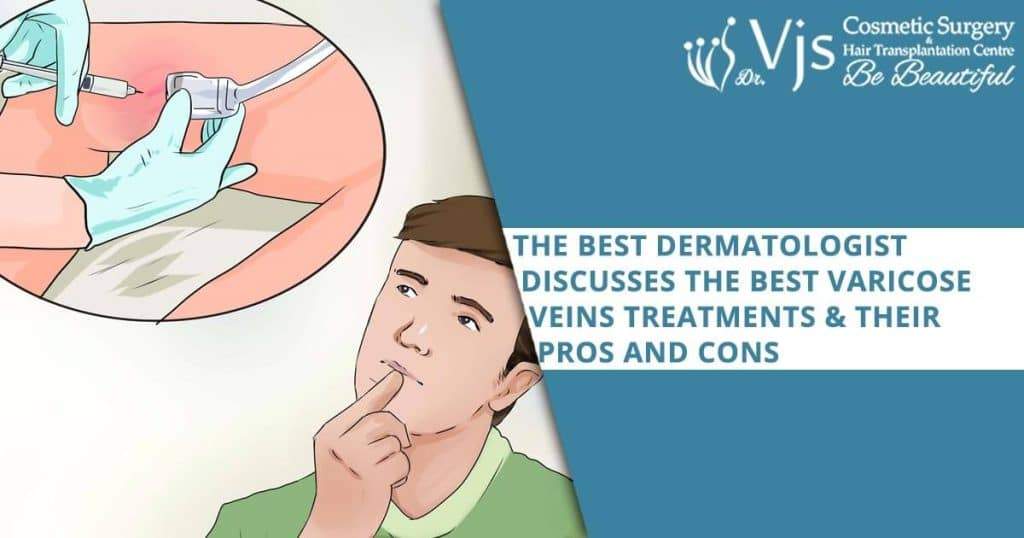
Sclerotherapy involves injecting a solution or foam into selected veins so they close and are gradually reabsorbed. It can be useful for certain superficial veins, but suitability depends on vein size, anatomy and the underlying reflux pattern. Possible adverse effects include bruising, pigmentation, inflammation, small areas of trapped blood and, rarely, more serious complications. Additional sessions may be required.
Endovenous ablation
Endovenous thermal techniques use a catheter to deliver laser or radiofrequency energy inside an incompetent vein. These procedures are often performed with local anaesthesia and ultrasound guidance. Temporary bruising, tenderness, numbness and inflammation can occur, and no procedure can guarantee that varicose veins will never recur or that new veins will not appear later.
Phlebectomy and surgery
Small-incision phlebectomy may be used to remove selected surface varicosities. Conventional surgery, including ligation or stripping, is now generally reserved for specific situations where other approaches are unsuitable or unavailable. Risks vary with the procedure and can include bleeding, infection, nerve irritation, scarring, thrombosis and anaesthesia-related complications.
How should the options be compared?
The relevant question is not which treatment is universally “best,” but which approach fits the person’s symptoms, vein anatomy, health history, treatment goals and follow-up needs. A proper consultation should discuss expected benefit, alternatives, possible complications, recovery and the chance of recurrence.
For an overview of evaluation and current treatment pathways, visit the varicose-veins service page. If you are considering an appointment, use the contact page to confirm current consultation locations and available services.