
Hair Botox: How effective and safe is it?

To rejuvenate our hair’s condition, a new technique which is called botox for the hair is doing the rounds in the various beauty treatment centers.
Hair Loss and Nutrition: Nutrients Worth Evaluating Before Supplementing
Nutritional deficiencies can contribute to some types of hair shedding, but supplements are not a universal treatment. Learn which nutrients may be assessed and why diagnosis matters first.
Hair Prostheses: Uses, Maintenance, Skin Safety and Realistic Expectations
Hair prostheses can provide non-surgical cosmetic coverage for hair loss, but they do not regrow hair. Learn about candidacy, adhesives, maintenance, limitations, skin safety and costs.
FIGHTING THE HAIR LOSS WITH ANTIOXIDANTS
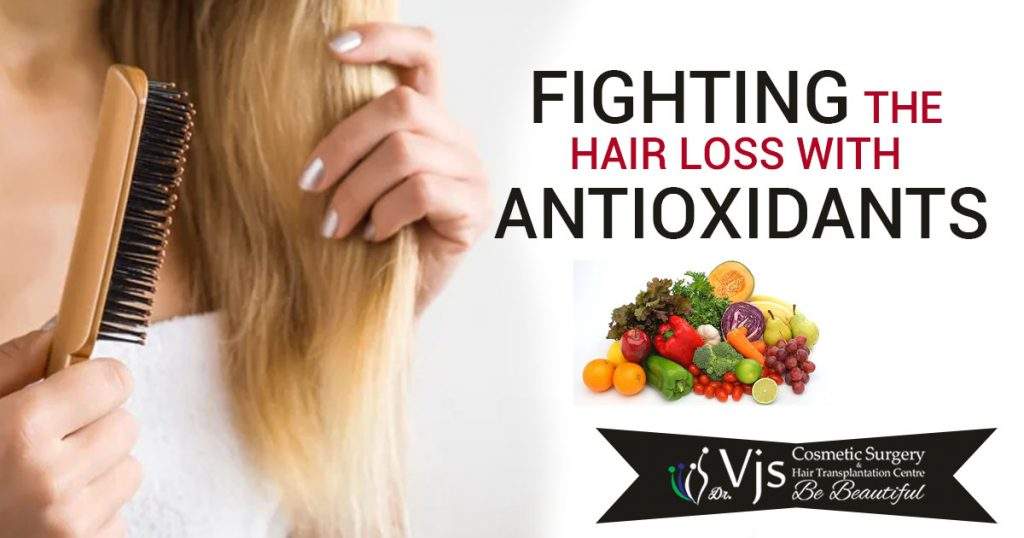
Hair loss is a common problem being faced by many people nowadays. Not only men but women are also becoming victims of hair loss. Hair loss was earlier restricted mainly to older ages. However, it has become common among the youth too. That is why hair transplant has become quite common nowadays to restore the lost hair. It is being widely argued that the major culprit behind hair loss is the presence of oxidants in the atmosphere. It is definitely not possible to get rid of something that is present in the atmosphere. Sun, smoke, and pollution are the major contributors to oxidation. WHAT IS OXIDATION? It is essential to examine what oxidation is. The death of cells caused by changes in the makeup of cells is termed oxidation. With this, not only the skin is damaged but it gives an invitation to various diseases also. What is more, it is responsible for poor hair health too causing hair fall. HOW CAN EFFECTS OF OXIDATION BE REDUCED? The only way possible to reciprocate the effects of oxidation is the supply of antioxidants. They can also be provided to hair indirectly by consuming foods rich in antioxidants. FOODS RICH IN ANTIOXIDANTS The foods rich in antioxidants speed down the process of oxidation. These can be vegetables, legumes, grain cereals, nuts, fruits, etc. Polyphenol antioxidants: these contain various phenol functionalities which help in fighting the saw palmetto repercussions. The foods rich in polyphenol antioxidants are legumes, cherries, cranberries, raspberries, plums, blackberries, and cantaloupe. The vegetables that supply polyphenol antioxidants are onion, parsley, cabbage, and broccoli. Vitamin A: Vitamin A is generally available in the form of animal food which is known as retinol. Retinol is a yellow and fat-soluble vitamin. It can be obtained from milk, eggs, and liver. Vitamin C: Vitamin C promotes the health of hair. It accelerates scalp circulation which is imperative for hair growth We can get Vitamin C from pineapples, tomatoes, citrus fruits, kiwis, dark green vegetables, and green peppers. Vitamin E: Vitamin E improvises blood circulation and oxygenation which are good for hair health. EXTERNAL SUPPLY OF ANTIOXIDANTS: Antioxidants can be provided to hair externally and directly by using products comprising them. There are various shampoos that contain extracts of green tea and vitamins. There are many tablets, and supplements which also comprise antioxidants and consuming them with doctor’s advice can promote hair growth too. POINT TO NOTE One very important point to note is that antioxidants whether externally or internally cannot be supplied for the sake of hair growth. There has to be a proper mix and balance as well as the timing of providing antioxidants to the body or to the hair otherwise, it can bring about undesirable outcomes. Antioxidants are definitely effective to replenish the loss of hair and maintain the health of hair. They can miraculously restore the density and volume of hair if taken with proper consultation and caution.
Balding and Progressive Hair Loss: Causes, Assessment and Treatment Options
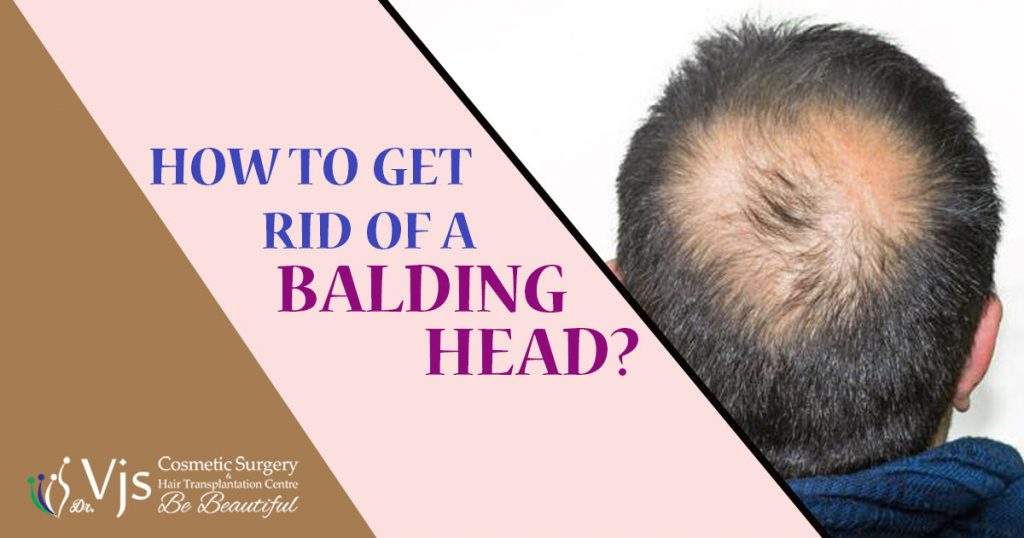
Progressive hair loss has several possible causes. Learn why diagnosis matters, which non-surgical approaches may be considered, and when hair transplantation may or may not be suitable.
Post-Procedure Care after Gynecomastia Surgery
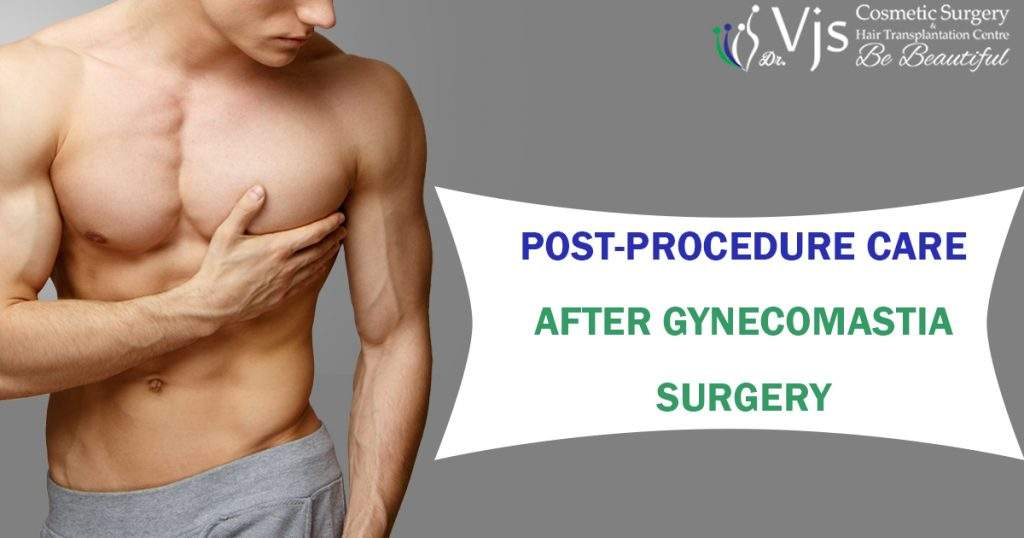
Find the Post-Procedure of Gynecomastia Surgery
Gynecomastia – Symptoms, Causes And Surgical Treatment
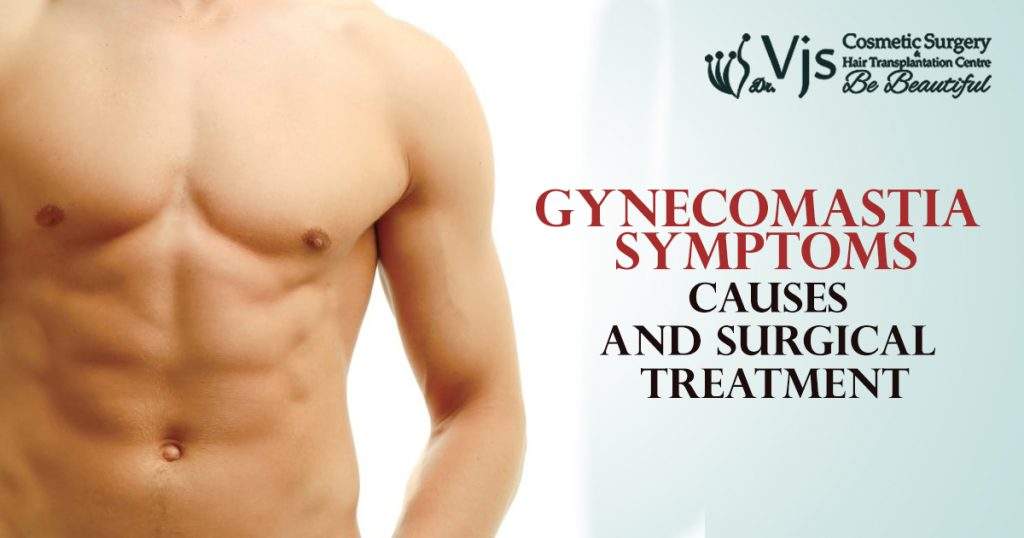
Gynecomastia is a medical condition associated with enlargement of male breasts. It is not restricted to a particular age and can occur at any stage of infancy, puberty or even at adulthood. The thing to be noted is that it is not the additional muscular fat deposit in overweight males. Gynecomastia surgery has become quite popular over the recent years. SYMPTOMS The major symptom of gynecomastia is the enlargement of male breasts itself. There is a deposit of muscular deposit around nipples. It is a glandular tissue and not a muscular tissue that deposits around the male breast. It has a rubber- like or firm feeling. This generally takes place in both the breasts but can be only in one breast sometimes. It does not cause any pain. However, it does make the appearance of male a little embarrassing. It is accompanied with tenderness in breasts and sensitivity. The enlargement though is there on both the sides; still, one side may be heavier than the other. Another important thing to not to be overlooked is to confuse it with male breast cancer. The ratio of male breast cancer is only 1% and it necessarily does not occur on both sides. It also is not centered on the nipples. CAUSES Hormonal imbalance: all the human beings have both estrogens (female hormones) and androgens (male hormones). Males have a higher presence of androgens. In contrast, males suffering from gynecomastia have a higher presence of estrogens in their body as compared to androgens. Medical conditions or medical treatments: in other cases, medical conditions or medical treatments can alter the hormone levels in the body leading to gynecomastia such as: Malnutrition Aging Chronic kidney failure Cirrhosis of the lever Malfunctioning of the testes comprising infection, trauma or inborn disorders Anti-androgen treatments for prostate cancer Medications: some medicines can also result in gynecomastia. For example diuretic spironolactone, ACE inhibitor drugs for curing hypertension, anti- ulcer drugs etc. Drugs: intake of drugs such as marijuana or heroin and alcohol can also be a contributing factor. SURGICAL TREATMENT The gynecomastia that occurs during puberty cures on its own with the progress of time as the hormone levels balance themselves. After the tissue becomes scarred, surgical treatment is sought for treatment. Reduction mammoplasty which is commonly known as, breast reduction surgery is used in extreme cases of the condition, prolonged gynecomastia or in those cases where medications fail to reciprocate it. All in all, gynecomastia is not a severe disorder in the males. The major drawback is that it makes the male appearance unappealing in the public and puts them more to a risk of breast cancer which is otherwise quite uncommon in males. It is also not possible to prevent gynecomastia unless and until it is caused due to some medical conditions.
Questions You Must Ask Before Hair Transplant Surgery
Things to consider before having a hair transplant
Scarring Alopecia Symptoms, Causes, Treatments, and More
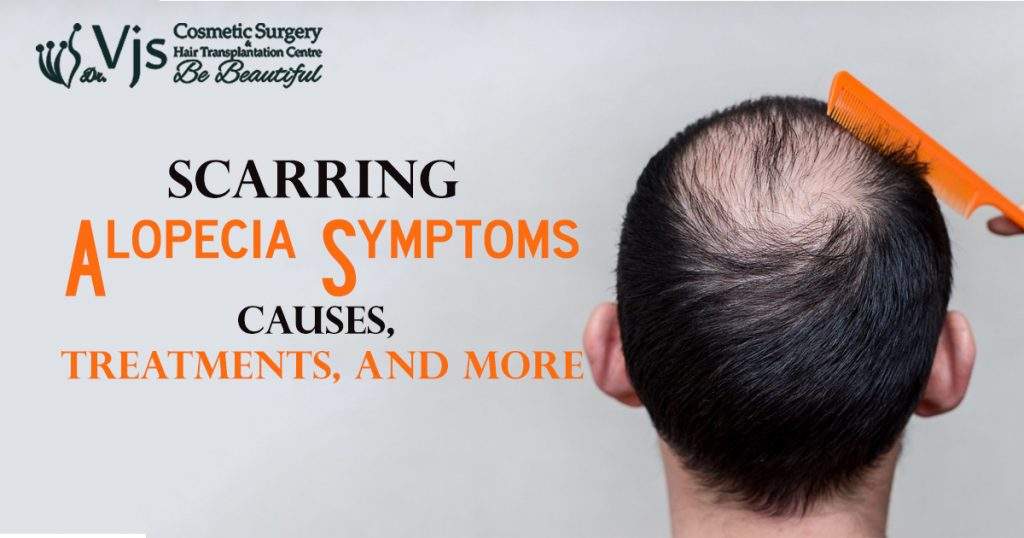
The current population is facing variable disorders which were unheard of in the yesteryear. The most common of them is hair loss. It might strike some early in life, but it is usually seen striking people when they reach middle ages. The reasons lie mainly in genetics, stress, medication or certain medical conditions.Many people take up treatments to revive their crowning glory but if they fail to see results after using these methods, they finally opt for a hair transplant. Of the diseases which cause extensive hair loss, cicatricial alopecia is the most common. Let us take a look at what exactly the disease does to our hair. Scarring Alopecia It is a condition which occurs in men and women and is responsible for 3% of the hair loss patients.It is characterized by destruction of hair follicles and replacement of the same by a scar tissue. It appears in the form of bald patches on the hair which expand as time passes. In certain cases, the hair loss may be so gradual that it goes unnoticed. In some other cases, the hair loss may be accompanied with severe itching, pain and a burning sensation. The symptoms Scarring alopecia differs from alopecia areata in the manner that the scalp looks rougher in this condition. The bald patches can be seen in both the cases but the appearance of the skin of the scalp is different in each. Sometimes, the scalp may be smooth or it may have redness, scaling or pigmentation. There may even be the presence of blisters with pus in them. The diagnosis Physical signs often point to the presence of Scarring alopecia but it is not enough to for an accurate diagnosis.The doctor might perform one or two biopsies to confirm his suspicion. A small piece measuring from 2 to 4 mm diameter is taken and observed under a microscope. The concerned pathologist will try to look for signs of destruction of follicles, inflammation, and appearance of scar tissue at skin deep levels. While the inflammation levels may not show correctly, one thing is for sure: the destruction of hair follicles. Once they are destroyed,only a scarred tissue remains. Once the disease burns out, the itching, inflammation and the redness vanishes but the hair follicles remain inactive as they are destroyed. The follicles at the periphery might not be destroyed and they may give rise to some hair. Treatment Options As the disease causes extensive damage to the hair follicles,the medication and treatment should be swift in action and highly effective. Scarring alopecia which involves lymphocyte inflammation of hair follicles is treated with the application of creams containing corticosteroids. Antimalarial and isotretinoin drugs may be used in conjunction to achieve better results. Another line of treatment includes administration of antibiotics along with isotretinoin. These are used when the inflammation strikes mostly neutrophils or a mixture of cells. Methotrexate, thalidomide, cyclosporine, tacrolimus can also be used. The disease is known to burn out at the end. If it so happens and there has been no evident hair loss since a few years, the bald patches can be removed or treated with hair transplant method. If the bald patches are small, then they can be surgically removed.
What Is Alopecia Areata (Patchy hair loss) and how do I Treat It?
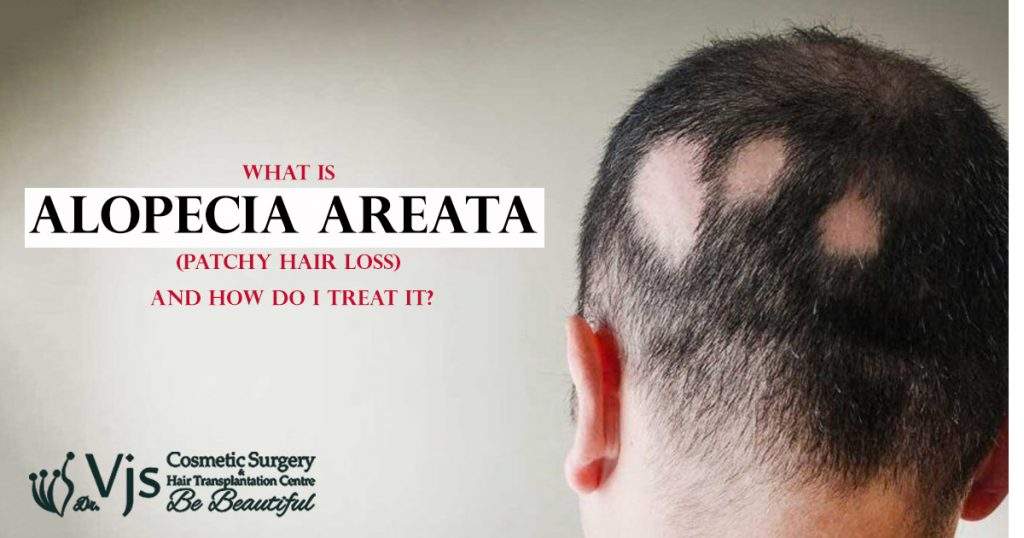
Find the Alopecia Areata (Patchy hair loss): Causes, Symptoms, and its treatment.