
Hair Transplant: What are the different factors that influence the cost of hair transplant surgery?
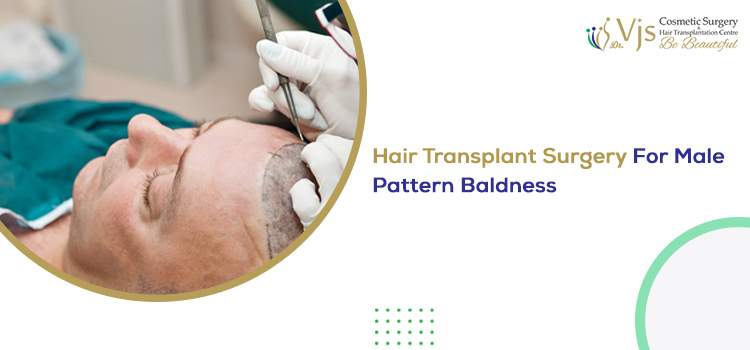

There is no doubt, that the results of the hair transplant are permanent which means they last for a lifetime.
Acne Scars & Pimple Marks: How to treat Acne Scars and Pimple Marks?
These days acne and pimple problem is common among every age group because of pollution, dirt, dust, and poor nutrition. This acne and pimples leave marks and scars which makes you unattractive. There are many natural ways to treat acne scars and pimple marks such as Aloe Vera, medicated creams, honey, cucumber, and coconut oil. Tips to treat acne scars and pimple marks Laser scar and pimple marks removal treatment Firstly your doctor will give you oral medications in order to remove scars but if these medications do not work properly then he will suggest you pixel laser removal treatment. Acne treatment in Vizag offers you best treatment which includes deep chemical peel, fillers, and skin resurfacing treatment. In addition, Benzoyl peroxide is also an effective solution for scars and pimple marks. Aloe Vera Aloe Vera is known as natural healing astringent which gives you many benefits. This is not only effective for scar and pimple removal but also gives you flawless skin. You should apply Aloe vera gel or fresh aloe vera on your skin morning and evening in order to get better results. Because this gel is rich in vitamins and such type of nutrients which are useful to heal the skin. This Aloe Vera gets also give you relief from sunburn because direct UV radiations can also lead to acne and pimple which leave ugly scars and marks. Coconut Oil Coconut oil is well-known as a natural moisturizer because it heals your skin. You should buy organic coconut oil and then apply it directly to scar. Make sure you should avoid surrounding areas because coconut oil also promotes hair growth. You must apply this oil at night and then leave it for a night. In the morning you should wash your face with cold water and do not wash your face immediately after coconut oil. You have to stay patient because it takes time to show results but it gives you permanent results. Cucumber Cucumber is not only a vegetable but it also popular as natural astringent. It is popular among people because it is useful for facial treatments. It also prevents your skin from sunburn which leads to pimple and acne marks. You must cut the cucumber in slice and then apply these pieces on your affected skin. You should massage those cucumber pieces for 10 minutes after then you must wash your face with water. You must apply cucumber twice a week for better results. Lemon and honey You should mix lemon juice and honey in a bowl and then mix them well for better results. After mixing, you must apply this mixture on the marks and scars with the help of cotton balls. You should avoid to apply it with your hands. You should use this four times a week but make sure do not go outside after applying this mixture because it can worsen your condition.
How Long Does A tummy tuck surgery Lasts for?

know in which case, the tummy tuck is the best option as it helps in tightening and reshaping the abdominal area.
Hair Transplant: India is the country which leads in the business of harvesting hair
Hair transplant surgery is a surgical medical procedure which includes transplantation of hair follicles from the back of the head to the affected area. This procedure includes two types of methods such as FUE and FUT additionally both methods are effective and give permanent results. Additionally, hair transplant in India gives you many benefits such as less scarring, natural looks, permanent results, and cost-effective. That’s why bald people choose this procedure more over other medical procedures. Moreover, some type of hair growth or hair loss medication can lead to such type of infections. Why picking hair transplant in India is a great choice? A recent study reveals that India is the country which is now leading in hair transplant business. Many people follow this country because they offer cheap and the best quality hair transplant in the world. Majority of people demonstrate that they offer this procedure at a very low cost as compared to the US cost such as in $2000. whereas the US offer this treatment is $20000 which is too much. FUE FUE hair transplant method is additionally known as Follicular Unit Extraction, in which your surgeon take a single follicular unit from your donor area. Then he will unite the hair grafts in order to transplant these on the affected area. In this method, he does not use a strip in order to collect hair graft. That’s why this method is well-known for less scarring and require less recovery time. Additionally, this system is totally painless because this system does not need any type of incisions. You may feel linear scar which is not noticeable or maybe faded away over time. The surgeons of this country are well trained and experienced, that’s why people follow them. In an interview, they said that people of Arab countries follow hair transplant in India most as compared to others because they encounter this problem more. There is a number of reasons behind hair loss in Arab countries such as hot and dry climate which leads to hair breakage and pulling. The second reason behind this condition in these countries is the habit of covering the head all the time. Because this task leads to dryness and dryness cause dandruff which is responsible for hair fall. The most important and primary reason behind this hair loss condition is purified sea water which is full of sea salt. And many studies reveal that salt is the most cause of hair fall in all age groups. That’s why people of Arab countries lean toward hair transplant procedures at low costs. This will not only treat their baldness but also gives them more permanent and natural looking results.
The rising cases of Gynecomastia or male boob surgery
some patients, only liposuction is sufficient while for other patients, a combination of liposuction and removal of the glandular tissue works.
How does PRP therapy can help to treat the problem of hair loss by stimulating hair growth?
Explain PRP? Platelet-rich plasma (PRP) therapy is referred to as treatment for hair loss. In the past few years, this treatment has been emerged as a non-surgical therapeutic option to treat the problem of hair fall and balding. Sometimes this method is combined with other hair loss procedures or medications to get more effective results. PRP therapy is been in use since the 1980s to treat the issue of injured tendons, muscles, and ligaments. But now the research has shown that this treatment is also effective to stimulate the growth of hairs. If the hair follicles are healthy as well as the roots then the growth of the hairs will also be healthy. The follicles get nutrients from blood supply which make them grow and survive properly.The platelets help in the growth of hairs as they contain protein which is required for the hairs. Basically, this treatment helps in attracting the stem cells and it helps in stimulating the growth of hair follicles. Due to this, the blood supply is also increased to the hair follicles. Additionally, this helps in decreasing the inflammation on the scalp. Explain the procedure of PRP therapy? There is three steps involved in the Platelet-rich plasma (PRP) therapy. Most of the times there are three treatments required which are 4 to 6 weeks apart. Firstly, around 30cc of blood is drawn from the arm. This test is similar to the normal blood test. After that, the blood is placed in a centrifuge (a machine which separates the fluid of different densities.) After 10 or 15 minutes, the blood will get separate into different layers which are platelet-poor plasma, platelet-rich plasma (PRP), and red blood cells. Then the platelet-rich plasma which is the most effective will be drawn up into the syringe and then it is injected on the scalp where the growth is required or the hairs are very less. Additionally, for effective results, the patient might have to get a treatment every 6 to 12 months. No doubt, the results are quite effective as it stimulates hair growth, make them thick, and make the hairs healthier and more strong. Still, a lot of research is going on find the effectiveness of this treatment. You can consider that this treatment is in the early stages and its effectiveness for very patient is still not clear. It might not be ready to replace the current therapies such as hair transplant, DHT blockers (Propecia), and Minoxidil. Risk PRP therapy is not recommended if you are on blood thinners, for heavy smokers, and who have used the drugs. Additionally, the patients who are diagnosed with following issues are also not suitable for this treatment such as cancer, chronic skin disease, hemodynamic instability, systemic disorder, hypofibrinogenemia, chronic liver disease, low platelet count, thyroid disease, sepsis, acute or chronic infections, and platelet dysfunction syndromes. If you are thinking of getting the treatment then you should get the PRP therapy in India as the doctors are highly experienced as well as qualified.
Hair Restoration Options: How FUE, FUT and Medical Treatment Differ
Hair restoration is not a single treatment. The right approach depends on the cause and pattern of hair loss, the condition of the donor area, age, medical history, expectations, and whether the hair loss is still progressing. A clinical assessment is usually more useful than choosing a technique from advertising or before-and-after photos. Start with the cause of hair loss Hair loss may be related to androgenetic alopecia, nutritional or hormonal factors, scalp disease, medication effects, stress-related shedding, or other causes. Treatment should be matched to the diagnosis. Some forms of hair loss are treated medically, while surgery is considered only when there is a suitable donor area and a stable pattern that can be planned responsibly. For a broader overview of diagnosis and treatment pathways, see the Hair Loss resource. FUT hair transplantation In FUT, a strip of donor scalp is removed and divided into follicular-unit grafts for transplantation. It can be useful in selected patients when a larger number of grafts is needed and the donor characteristics support this approach. FUT leaves a linear donor scar, and recovery involves wound healing and suture or staple care depending on the technique used. Learn more about FUT hair transplantation and discuss whether its scar pattern, graft requirements and recovery fit your situation. FUE hair transplantation FUE removes follicular units individually from the donor area using small punches. It avoids the long linear scar associated with FUT, but it still creates many small extraction sites and is not a scar-free procedure. Suitability depends on donor density, hair calibre, scalp characteristics, the number of grafts required and how much donor hair needs to be preserved for possible future loss. FUE is not automatically better than FUT for every patient. The FUE Hair Transplant page explains the technique in more detail. What about automated or device-assisted FUE? Some clinics use motorised, robotic or device-assisted systems during parts of FUE. These tools can assist extraction or handling, but the device itself does not guarantee a better result. Planning, graft handling, donor management, hairline design and the experience of the clinical team remain important. Medical treatment may still be important For some causes of hair loss, non-surgical treatment may be recommended before, instead of, or alongside transplantation. Medicines such as minoxidil or finasteride are used in selected patients, but they are not suitable for everyone and can have side effects or contraindications. They should not be started, stopped or changed solely on the basis of online advice. How to compare options A useful consultation should review your diagnosis, donor capacity, expected future thinning, scar preferences, existing medicines, health conditions, and what level of density is realistically achievable. Hair transplantation redistributes existing donor follicles; it does not create unlimited new hair and cannot guarantee a specific density or lifelong appearance. If you are considering treatment, use the Hair Transplant page as the main procedure guide and contact the clinic for an individual assessment rather than choosing a technique from a general article.
Choosing a Hair Transplant Clinic in Visakhapatnam: What to Verify
A practical checklist for comparing hair-transplant clinics in Visakhapatnam, including diagnosis, surgeon roles, FUE/FUT differences, donor planning, consent and follow-up.
Hair transplant surgery: How much time does a Hair Transplant Surgery take?
There is a number of treatments available nowadays, for example, hair transplant, a scalp reduction process, natural ways to treat, and Ayurvedic medicine.
Relation Between Hair Loss And Methotrexate
Why the chemo treatments lead to hair loss and whats is the relation of drug Methotrexate in this.