
Hair loss: Combat it with the use of rosemary oil

The receding hairline, constant hair loss, scalp itchiness, and many other hair problems can get bigger within the blink of an eye. There is no denial about the fact that your hair defines your personality and adds an extra charm to your outer beauty. But as soon as you start facing hair loss issues, you need to be on your toes and find the best solution for it. No wonder finding the best hair loss treatment can be hard but it is not impossible. Rather than getting confused, it is always better to stick to simple solutions. Rosemary oil has become a rage in the town and it is for all the good reasons. Hair stylists, dermatologists, and even the leading influencer industry have known the benefits of rosemary oil and are loving it. This oil has helped many people facing hair loss. Thus, keep reading to know more about it. The origin of rosemary oil Before indulging in the routine of rosemary oil, it is essential to know about its origin. Rosemary oil is known for its aroma and mintness which is because of needle-like leaves. These leaves are mostly used as a cooking herb in various roasted vegetables, lamb, etc. It is prepared using rosemary springs or leaves. They are cooking or are allowed to sit in different oils for a couple of days or months. Rosemary oil is available in the form of pre-made or ready-to-use. No wonder every hair care brand offers this oil kind to combat hair loss and other hair issues. Understanding the benefits of rosemary oil Rosemary oil has a lot more to offer than just hair loss benefits. Here are some benefits of rosemary oil listed below: Rosemary oil can be beneficial in stimulating hair growth. The constant use of it can help improve scalp circulation and the development of new hair follicles. Thus, it is a robust hair oil that allows you to experience thick and healthy hair. Loss of hair and slow hair thinning can be difficult to face. But with the use of rosemary oil, you can have strengthened hair follicles. The antioxidant properties of this oil can reverse hair damage. Plus, it is beneficial in the reduction of DHT which is ultimately helpful in hair loss prevention. The nourishment of hair is not the only benefit of rosemary oil. It is also effective in enhancing hair texture. Regular use of this oil can allow you to have shiny and soft hair. Premature greying of your hair can be hard to deal with. However the constant use of this oil can prevent this hair issue. Rosemary oil has antioxidants that fight free radicals and slow down the process of hair greying. Every hair problem starts with poor scalp health. But the constant use of rosemary oil can be effective in reducing dandruff, soothe the itchy scalp, and avoid any irritation. It can enhance your scalp health. How to involve rosemary oil for enhanced hair growth in your regime? Incorporation of rosemary oil in your daily hair care routine is simple. However, you need to be religious with it if you desire some quick and effective hair loss solution. Here are a few ways to incorporate rosemary oil for enhanced hair growth: The best way to use rosemary oil in your regime is by simply massaging it onto your scalp. Try to mix this oil with it. You can use other carrier oils. Ensure that you are gently massaging and leave the oil for some time. The soft massage will enhance the blood circulation and nourish the scalp. There is nothing wrong in following the traditional ways. You can use rosemary oil and leaves for your hair health. To use rosemary leaves, ensure that you are boiling them and straining the water for later use. After shampooing your hair you can rinse your hair using this water. Also, before doing this step, you use rosemary oil for a nice massage. Another way to use rosemary oil is by opting leave-in treatment. Try adding some drops of this oil to your leave-in conditioner. It helps in combating dry hair which lacks life, smoothness, and some moisture. DIY hair masks have always been a big hit. Try combining your rosemary oil with ingredients like honey, aloe vera, etc. to make a DIY hair mask. Applying this mixture will provide smooth and strengthened hair. What to expect from rosemary oil? Being patient with the use of rosemary oil for your hair health is essential. Its consistent use will help you see the best improvements. However, here are a few points defining things to expect from a rosemary hair oil: This oil has the ability to enhance hair growth. Further, thick and voluminous hair with every passing day can be experienced by an individual Rosemary oil can make your hair stronger than before. Its constant use will be beneficial in avoiding any hair breakage while experiencing strong hair. The application of this oil will allow you to experience a healthy scalp. You won’t be facing issues like dandruff, itchiness, etc. Thus, for speedy hair growth, a healthy scalp plays an essential role. With rosemary oil, your hair will start looking smooth and shiny as compared to previous times. Conclusion Rosemary oil has become the talk of the town all because of its hair benefits and the ability to combat hair loss. It is simple to use in your everyday routine and can be used during your hair wash days. However, if you have a rigid hair loss issue then it is essential to seek medical help. VJs Clinic, offering the best hair transplantation services can help understand the underlying condition of constant hair loss. With their help, you can be on the right track and experience strong and luscious hair.
Is sweating the main reason for hair loss?
Anyone who is suffering from hair loss only knows the real pain. Hair loss can be caused by various factors like high-stress levels, hormone imbalance, severe illness, surgeries, weight loss, and low diet are essential culprits. Even though excessive sweating is an important factor, it might not come to our minds as a cause of hair loss. Sweating is a normal biological process that helps in controlling body temperature. Is sweating really linked to hair loss? Let’s look at the connection between excessive sweating and hair loss and take preventive measures to treat sweat-related hair loss. Excessive sweating and how it affects the health of hair Hyperhidrosis is a condition in which sweat production increases above the level required for thermoregulation. Although sweating is a normal activity, excessive sweating can be brought on by many illnesses, such as hormonal imbalances, genetics or any other serious issue. If you are suffering from Hyperhidrosis, it can frequently affect the scalp, palms, feet, and underarms. Excessive sweating may be harmful to your hair. Water, sodium and minerals are the main components of sweat. If sweat expands on the scalp, it might result in bacteria and fungi. Nowadays, many people who are suffering from hair loss go for hair transplant treatment for a permanent solution to hair loss. After hair transplant treatment, excessive heat or sweat can damage the hair fossils, which leads to an increased risk of infection due to a sensitive scalp. Doctors also advise that after the hair transplant treatment, individuals should avoid going to excessively heated places. The link between excessive sweating causes hair damage and premature hair shedding There is no concrete proof that there is any link between sweating and hair loss. Several factors can damage the hair of those who sweat excessively. The sebum present in the hair scalp is basically the oily material known as sebum, which is produced by sebaceous glands and helps in protecting the hair. If there is an increase in the sebum, it may lead to the buildup of sweat on the scalp. When excessive sebum is combined with sweat, it can result in folliculitis that causes irritation and hair loss. Excessive hair loss can weaken the hair and cause damage and breakage over time. Preventive steps and hair loss treatment due to excessive sweating: Even though sweating is not linked with hair loss, it may encourage hair fall and cause scalp infection and irritation. Keep in mind the preventive measures to take care of your hair by utilising the right hair treatment. People who are undergoing hair transplant treatment should also keep in mind the advice of their doctors and take preventive measures to avoid any serious infection. Vj’s Clinic is here to provide the benefits of surgical and non-surgical treatments. Dr. C Vijay Kumar is a perfect example of excellence and professionalism.
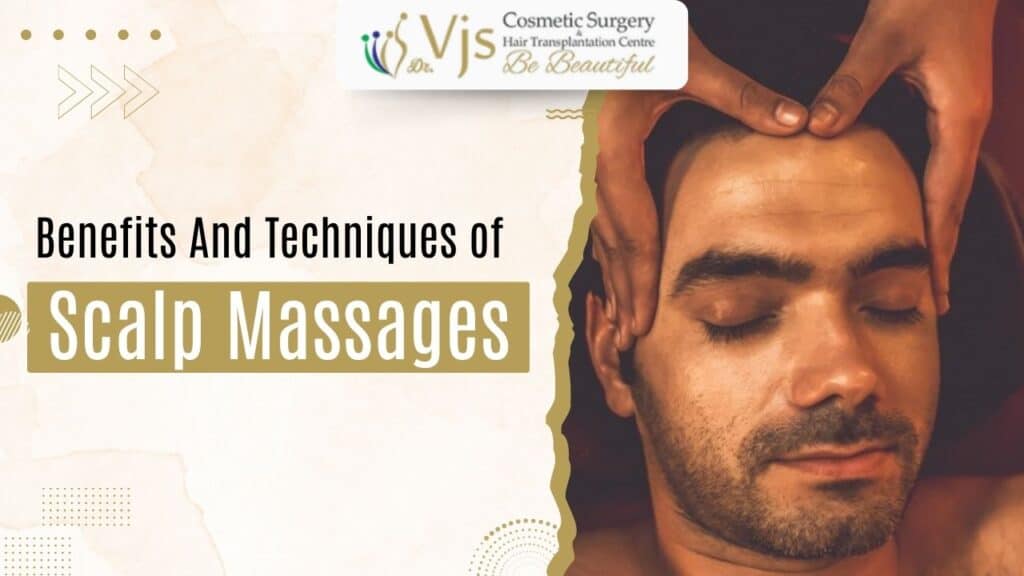
Benefits And Techniques Of Scalp Massages.
Hair loss problems are common; hence, utmost care for the hair is needed to ensure that your hair remains healthy and glowing. Hair makes a person look extremely beautiful. In fact, when the beauty of a person is measured, then hair is also taken into consideration for this. Healthy hair has the best benefit, which is that you can make the hairstyle you want and flaunt your healthy and good-quality hair in front of others. What else does a person want? This is what everyone desires to have. The best way to nourish your hair and to have healthy hair is through scalp massage. Scalp massages are immensely beneficial as one should prefer going for these. Benefits of Scalp Massages: When you take care of your hair properly and have a good lifestyle, this all helps you to have good hair. You do not suffer from the problem of hair loss and do not need to take any kind of hair transplant treatment. However, once the issue increases, then you need to undergo this treatment only. 1. Helps in good blood circulation When gentle massages are done on the scalp, then it helps to deliver more oxygen and nutrients to the hair follicles, which helps in good growth of the hair. Hence, scalp massages help in good circulation of blood are good to have. 2. Dwindles stress and tension of a person The best advantage of scalp massages is that they help to a great extent to decrease the stress level of a person, and a person feels fully rejuvenated and relaxed. A major cause of hair loss is stress; hence, in order to avoid it or reduce it, opt for having scalp massages. 3. Improves hair growth potential: The subcutaneous tissues get stimulated due to scalp massages, resulting in delivering oxygen to the hair follicles. This helps to have thick and long hair. Scalp massages are also useful in the removal of dead skin, sweat, and oil that sometimes clog hair follicles. Techniques of doing scalp massages: Conventional way of doing massages by using hands: 1.Scalp stimulation A simple way of doing massages by using fingertips. Under this, the scalp is massaged but in a circular motion. Gentle pressure is applied for the same. It relaxes the person a lot, and even one gets relief from headache issues as well. 2. Kneading: Under this technique, the fingertips and the palm of the hand are used. Gently, the massage is done, but the pressure is a bit deeper. 3.Tapping: This technique is also used widely by people for the purpose of scalp massage. A person taps the whole scalp by using the fingertips. 4. Raking: For the raking purpose as well, the fingertips are used by the person. For the forehead, the hair is pulled to the nape of the neck. Many even now have switched to using scalp massagers: Using essential oils: If you use essential oils, these can properly nourish your hair and can foster hair growth properly. Hence, make sure that you are using essential oils only. VJ Clinic, you will get thorough guidance on how to keep your hair healthy and in good condition so that you do not face any issues related to hair loss. Although we are the best in terms of having a hair transplant treatment, we also provide guidance in accordance with hair care. Therefore, we are here for your hair transplant surgery or to provide complete guidance pertaining to hair.
Debunking the Common Myths Associated with Hair Fall
Hair loss is the most common concern worldwide. Research has found that around 50.31% of Indian men are facing hair loss problems under the age of 25. And the most shocking report is that 25.89% of men are under 21, and they are already at stage 3 hair fall. But on the other hand there are numerous people who are preventing this problem with hair loss treatment in India. If you are one of the people who are facing hair loss, then book your appointment today. Many myths have spread among people related to hair loss and its treatment. Let’s separate some facts from fiction associated with hair loss. Myth 1 – Wearing Hat Leads to Hair Loss It is the most common myth that wearing hats can suffocate the hair follicles which cause hair loss. However, hair follicles collect oxygen and nutrients from the bloodstream not from air. It is necessary to understand the science behind hair loss & its growth to make informed decisions. Myth 2- Baldness is Only Inherited from Mother’s Side Undoubtedly, genetics plays a significant role in hair loss, but it can also be inherited from the father’s family. Genetic factors affect the sensitivity of hair follicles to hormones. DHT is the primary hormonal factor in both male and female pattern baldness. Any type of baldness can be treated with an affordable hair Transplant cost in India. Myth 3 – Only Men Face Hair Loss Hair loss is not only related to men. However, women also face problems of hair loss and thinning, but it is often presented differently. Diffuse thinning across the scalp is the most common factor in female pattern hair loss. At the same time, men face bald spots and receding hairlines. All types of hair loss problems can be solved with effective procedures of hair transplant. Myth 4 – Stress is the Primary Cause Stress can trigger hair shedding. Male and female baldness patterns are often reversible, and they can be prevented with the use of FDA-approved medications like minoxidil and finasteride; these two are popular choices for promoting hair growth. Myth 5 – Only Affects Aged People Hair loss problems can strike individuals at any age. Many youth in India and foreign countries are facing the problem of hair loss. Choosing a reliable hair loss treatment in India will help many youths regain full head hair. In the end, many boys in their adolescence face hair loss problems, some due to medical conditions and some due to other factors. Myth 6 – Too Often Hair Washing Frequent hair washing can lead to the problem of hair loss, which is the most common myth among females. Females usually avoid washing their heads just because of this myth. Keeping scalp & hair clean is the key to healthy and long hair. Myth 7 – Plucking One Hair Leads to More Plucking one grey hair will not lead to growth of multiple grey hairs. Excessive plucking will lead to damage of hair follicles over time, it leads to thinning of hair in that area. Don’t let these myths stop you; make informed decisions after consulting about your hair loss problem with our top doctors at Vj’s Cosmetic Surgery & Hair Transplantation Centre, get your quote today for hair Transplant cost in India.
Stimulate Your Roots: A Long Way From Hair Loss To Regrowth
When you look in the mirror daily, it is tough to watch your hair fall in plenty, and observing changes related to hair loss makes you look sad. Hair loss affects millions of people every day. Some go through minor changes, and some go through significant changes. Hair growth in men and women also depends on the most common factor, which is aging. Thanks to the medical sciences, they have brought solutions for hair regrowth. Now, hair regrowth is possible. It can be revived with the help of natural remedies and following a good lifestyle. Nowadays, dermats offer a variety of solutions to treat hair loss. Let’s understand more by reading in detail. What is hair loss, and how does hair loss happen? It is when your hair falls faster than ever. Hair loss truly affects your scalp, and this can be either long-term or short-term. What are the signs of hair loss? Many people experience different ways of losing hair. Some common symptoms are- 1. Slow thinning of hair on top-: It is gradual that hair will thin as it grows. In women, a scalp without no hair is seen faster than men. 2. Small patches of hair on the scalp- There can be small patches of hair on women’s heads while for men, it can be patches of baldness on their heads. 3. Dandruff- The little white flakes on our hair make our hair lining thin. 4. Itching and swelling- When there is any fungal infection or swelling,then that can cause itching and swelling on our head. What are the causes of hair loss? Everyone goes through a lot of changes in our bodies every other day, and they can occur for various reasons. Hair loss can happen in any age group. So now let’s understand the underlying problems of hair loss for both men and women in detail- 1. Hormonal changes in the body Hair loss can be caused by hormonal changes that affect hair growth and its functions. The most common hormone changes are menstrual periods or pregnancy. Hormonal changes in the body occur very frequently, especially when females go through these. 2. Nutrition The right amount of nutrition is required to maintain a healthy and strong hair scalp. Nutrition like proteins, vitamins, minerals, iron, biotin, and healthy fats are required by the body. If the nutrition is not sufficient, the hair will become weak. 3. Medical uses When extensive medications are used, it can affect your hair growth. Thyroid disorder or certain skin diseases can cause the weakening of hair. 4. Stress Many people experience a lot of stress, tension, and anxiety. Stress can be physical as well as mental stress. So this can lead to hair fall problems. 5. Ageing As people grow in age, hair growth for men and women slows down gradually. Whitening of hair is common for both genders. So, ageing is a natural process. What are the common hair problems? Common hair problems include in men and women – frizzy hair, split ends, hair loss, hair breakage, dandruff, dry hair, damaged hair, etc. Oily scalp is a major problem. Trying new hairstyles and chemical treatments like keratin can lead to the weakening of hair strands. Some of the effective hair care remedies we should follow Making small lifestyle changes will have a big impact on our hair health. Let’s read more about how to experience effective hair growth treatment in men and women with some preventative tips– 1. Regular washing of hair should be done to avoid oil buildup. 2. Use paraben and chemical-free shampoos and conditioners. 3. Regularly apply oil to hair. 4. Do not try excessive hairstyles; this can lead to hair damage and breakages. 5. To keep your hair strong and healthy, eat food in the right proportion and drink water. Conclusion If you notice any hair loss problems at an early age, then you can start having biotin, iron, zinc, vitamins, and minerals to make your hair strong after you consult an expert. Go for necessary hair do’s and don’ts as prescribed by the doctor. To prevent hair loss,meet a hair loss expert and book your appointments fast at Dr VJs Cosmetic Surgery and Hair Transplantation Centre. We at the centre will provide you with the best facilities and modern technology with full care.you can start having biotin, iron, zinc, vitamins, and minerals to make your hair strong after you consult an expert. Go for necessary hair do’s and don’ts as prescribed by the doctor. To prevent hair loss, meet a hair loss expert and book your appointments fast at Dr VJs Cosmetic Surgery and Hair Transplantation Centre. We at the centre will provide you with the best facilities and modern technology with full care.
Understanding Hair Transplant Laws in India
Hair loss is a common issue faced by many individuals, and hair transplantation is a popular cosmetic surgery to battle this issue. However, it is important to know the legalities encompassing hair transplant procedures in India. In this blog post, we will talk about hair transplant laws in India and what you want to be aware of prior to undergoing the method. Who is Legally Allowed to Perform Hair Transplantation in India? As per the Indian Clinical Medical Council (Professional Conduct, Etiquette, and Ethics) Regulations 2002, hair transplantation is considered surgery. Subsequently, it must be performed by qualified medical experts with a degree in medication and surgery. This implies that only authorized medical professionals with a legitimate medical number can perform hair transplantation surgery. Moreover, hair transplantation must be completed in a licensed hospital or clinic equipped with the required infrastructure and medical facilities. What are the Legal Requirements for Hair Transplant Clinics in India? In addition to the experience of the specialist, hair transplant clinics in India should comply with explicit legal requirements. As per the Indian Medical Council Regulations 2002, hair transplantation must be performed in a registered medical facility. Hair transplant clinics in India should likewise adhere to the rules and regulations set by the National Accreditation Board for Hospitals and Healthcare Providers (NABH) and the Joint Commission International (JCI). These associations set guidelines for the nature of medical offices and services, guaranteeing that patients get protected and viable consideration. Hair transplantation is a well-known cosmetic surgery in Vizag, yet it is essential to comprehend the legal requirements and regulations encompassing the technique. Only authorised clinical experts with a valid registration number can perform hair transplantation in India, and clinics should conform to explicit legal requirements. What Should You Know Before Undergoing Hair Transplantation in India? Prior to undergoing hair transplantation in India, understanding the risks and advantages of the procedure is important. While hair transplantation is a protected and successful method for combating hair loss, there are risks related to any surgery. Some of the expected risks of hair transplantation incorporate bleeding, infection, scarring, and inconveniences with anesthesia. It is crucial to examine these risks with your specialist prior to undergoing the method. At last, it is essential to pick a certified and experienced specialist to perform the methodology. Prior to undergoing hair transplantation, research the specialist and the center completely, read reviews and ratings, and request to see the photographs of past patients. Conclusion If you are thinking about hair transplant in Vizag, look no further than VJ Clinics. Our center is registered with the local health department, and our specialists are qualified and experienced in hair transplantation strategies. Reach us today to plan a meeting and know more about our hair transplant services.
Hair Transplant – Approaches, Post-Operative Care, Mechanism & Much More
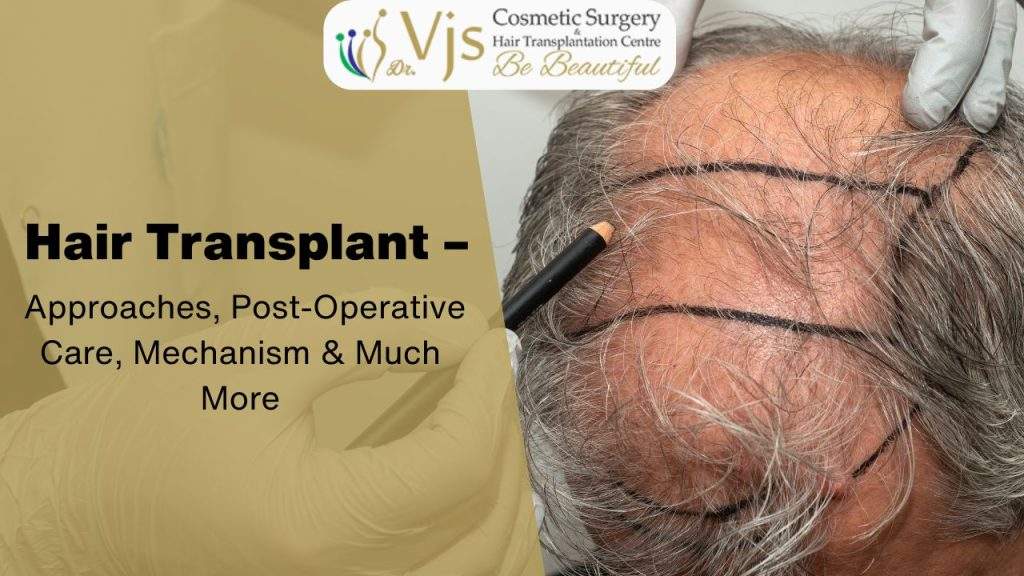
Why Hair Transplant? The people who are suffering from the male or female pattern baldness, are customary to undergo a Hair transplant in Vizag. The predominant reason why the number of people taking up hair restoration procedures is increasing is the hair transplant cost in India. The economical and the result-oriented treatment is what convinces the hair loss distressed patients to take up the hair transplant. Hair Transplant Approaches There are many ways by which the hair transplant can be carried out to experience the desired results. For example, FUE and FUT are the main procedures that are used to treat hair loss patients with the hair transplantation procedure. How Do The Doctors Decide Whether The FUE or FUT Procedure Is To Be Undergone? It thoroughly depends upon the medical condition of the patient whether the FUE or FUT procedure for the hair transplantation is to be performed. What Are The Similarities In All The Procedures Of The Hair Transplant? The mechanism and the process to perform the hair transplantation procedures may be different. But the steps are usually the same as follow: Customarily all the methods of the hair transplant incorporate the extraction process. The extraction process helps to withdraw good quality hair follicles from the scalp. When the grafts and the strips are extracted, then the next step is regarding the separation of the hair strands. Then these strands are observed to detect whether they will be suitable for transplantation or not. Then the good quality and checked hair follicles will be inserted in the incisions done in the scalp. Which Care-Points To Consider After The Hair Transplantation Process? The following Post-Operative instructions should not be neglected by the patients: Should You Be Returning To Work? It is suggested that you should take some days off from your work as you need complete rest. The work, no matter how easy or tough, could make you stressed. Notable Point If you are employed with any of the sitting or the blue-collar jobs, then there will not be any restrictions for you to go the work by the doctor. But make sure, on our way to the office and home, you are covering your hair completely. Do not let it expose to either the sun or the dist or the debris. Bottom Line How do you like today’s article? If you want more such articles, then please tell us. We shall be more than happy to present you with the best and relevant information.
What You Need To Know Before a vaginoplasty surgery
Vaginoplasty is a procedure where the vagina is rearranged, constructed and repaired through surgery. This procedure is done for many reasons, one of which is to treat different kinds of medical issues. It is essential to be well prepared for this procedure, both mentally and physically. Physical Preparation Physical preparation will help one to have a speedy recovery after the procedure. Whatever is done after the procedure determines how soon the recovery will occur. 1. DIET PLAN A healthy diet plan is vital for the body’s quick recovery. Here are some foodstuffs that would aid with fast healing. Berries are an excellent source of antioxidants and vitamin C, which helps the body to produce the collagen it needs to rebuild tissue after the procedure. A list of berries to be consumed: Fats help the body recover muscle, and here are the specific healthy fats to consume: During the surgery, there might be damaged muscles, and they need protein to recover speedily. Water is the basis for recovery. For all other nutrients to be functional, water is essential for blood flow and a speedy recovery. There are some hydration drinks that are healthy and one should take during this period. 2. PHYSICAL PRACTICES There are physical practices that one must adopt before and after the procedure to have an easy-going livelihood and recovery. GET A CONDUCIVE RECOVERY SPACE ADEQUATE SLEEP WHAT TO CARRY OR PACK FOR THE DAY OF THE SURGERY AVOID BODY WORKOUTS AND EXERCISES PLAN FOR SUPPORT AND ASSISTANCE One must have a supportive person to accompany them on the day of the procedure. Assistance is also needed throughout the process of recovery, and it should be from a trusted individual. 3. how does one prepare mentally and emotionally? In conclusion, a vaginoplasty procedure is very delicate and involves a lot of tissue, nerve, and muscle movement, as well as injury. So it is important to note the essential necessities that will help recover quickly and that is maintaining a healthy diet and resting.
Hair Transplant: Process, Risks, Candidacy and Expected Outcomes
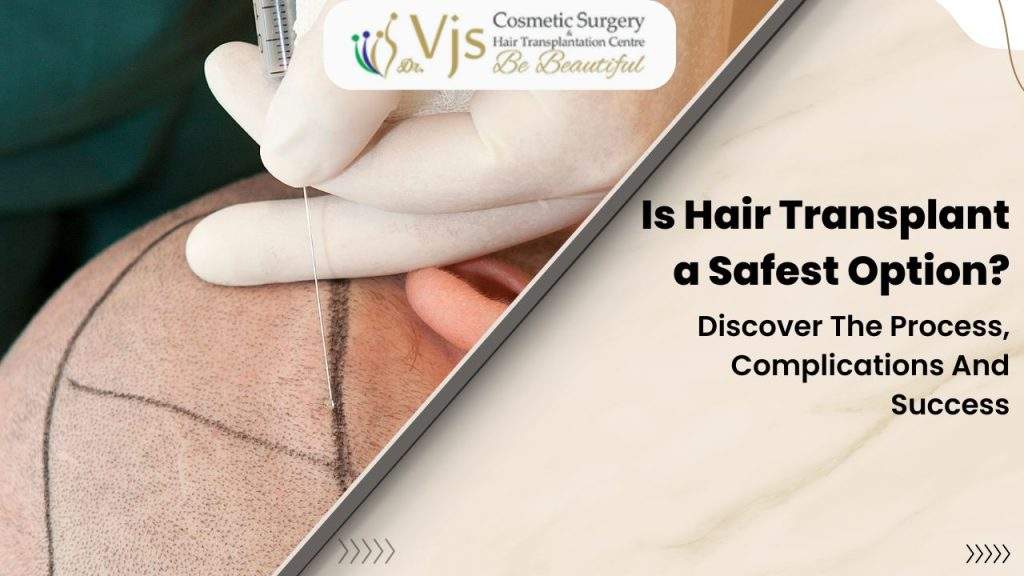
If you are considering hair restoration, start with a diagnosis of the cause and pattern of hair loss. A hair transplant is not automatically the first or safest option for every patient. Suitability depends on donor supply, scalp health, stability of hair loss, medical history and realistic goals. Review the main hair loss guide before deciding whether surgery is appropriate. Hair transplantation moves follicles from a donor area to areas of thinning or baldness. Common approaches include FUE and FUT. Neither technique guarantees a particular density, timeline or permanent result, and native hair can continue to thin after surgery. How hair transplant surgery is planned A consultation should assess the diagnosis, donor-area quality, degree of hair loss, future progression, previous treatments and the patient’s expectations. Patients with active scarring alopecia, unstable shedding or limited donor supply may need a different plan. FUE and FUT FUE removes follicular units individually and usually leaves multiple small dot scars. FUT removes a strip of donor scalp and leaves a linear scar. The choice depends on donor characteristics, hairstyle preferences, graft requirements, scarring considerations and surgeon assessment. Learn more on the FUE hair transplant page and the main hair transplant guide. Possible risks and limitations Bleeding, swelling, infection or delayed healing Visible scarring or donor-area thinning Temporary shedding around transplanted or existing hair Uneven density, poor growth or an unnatural hairline if planning is inadequate Numbness or altered scalp sensation Need for additional treatment if native hair loss progresses Recovery and visible growth vary between patients. New growth is gradual and should be assessed over months rather than promised by a fixed date. Transplanted follicles may persist long term, but future native hair loss can still change the overall appearance. Who may be a suitable candidate? Potential candidates usually need a confirmed diagnosis, adequate donor hair and a pattern of loss that can be planned for over time. Younger patients with rapidly changing hair loss, people with active scalp disease and those with insufficient donor supply may need to delay surgery or consider alternatives. If surgery is not appropriate, options may include diagnosis-specific medical treatment, observation, PRP in selected cases or other non-surgical approaches. See the PRP therapy page for evidence and limitations. Next step For an individual assessment of the cause of hair loss, donor supply and treatment options, use the contact page to arrange a consultation. The decision should be based on diagnosis and long-term planning rather than promises of guaranteed success.
Non-Surgical Hair Loss Options for Men: Evidence, Limits and Alternatives
Men can experience hair loss for many reasons, including androgenetic alopecia, telogen effluvium, alopecia areata, scalp disease and medical or medication-related causes. The first step is diagnosis, because non-surgical treatments are not interchangeable and no option works for every type of hair loss. Start with the main hair loss guide. Common non-surgical options Topical or prescription medicines: Treatments such as topical minoxidil or prescription medicines may be discussed for selected diagnoses. Benefits, side effects, contraindications and monitoring should be reviewed with a clinician. Do not start or stop prescription treatment solely from online advice. Low-level light therapy: LLLT has been studied for pattern hair loss, but evidence and devices vary. It should not be described as painless, the most effective treatment or a guaranteed way to regrow hair. PRP and GFC: Selected patients may discuss PRP therapy or GFC therapy. Protocols and evidence vary, and neither should be presented as a cure. Scalp micropigmentation: This is a cosmetic tattooing technique that creates the appearance of closely cropped hair or reduces scalp contrast. It does not create new hair follicles or stop ongoing hair loss. When surgery may be discussed If hair loss is stable, donor supply is adequate and the diagnosis is suitable, some patients may consider hair transplantation. Surgery does not stop future native hair loss, so long-term planning remains important. For clinician and team information, see About Dr. VJs. For an individual scalp assessment and treatment discussion, use the contact page.