
Hair Regrowth in Men: Evidence-Based Options, Limits and Safety

Hair regrowth treatment for men depends on the cause of hair loss. This guide explains the evidence, limitations and safety considerations for minoxidil, finasteride, PRP, low-level light devices, natural products and hair transplantation.
क्या हेयर ट्रांसप्लांट पतले बालों का इलाज कर सकता है?

लोगों के बालों का पतला होना एक आम समस्या बनती जा रही है, अगर इसका इलाज समय पर न किया जाए, तो यह और भी गंभीर रूप से बालों के झड़ने का कारण बन सकता है और ऐसे ही दुनिया भर में लाखों पुरुषों और महिलाओं को प्रभावित कर सकता है। लगातार बालों का पतला होना व्यक्ति के आत्मविश्वास पर भी असर डाल सकता है, जिससे तनाव, चिंता और आत्म-सम्मान में कमी है। आज के समय में अच्छी बात यह है कि बालों के उपचार के लिए यह कई उपचार विकल्प उपलब्ध हैं। उनमें से एक है हेयर ट्रांसप्लांटेशन, इस प्रक्रिया से हाल के वर्षों में, पतले होते बालों से पीड़ित कई व्यक्तियों के लिए एक बेहतरीन उपाय बन गया है। लेकिन क्या ये सभी के लिए सही है, इसमें हम हम चर्चा करेंगे की क्या हेयर ट्रांसप्लांट पतले बालों का इलाज कर सकता है? हेयर ट्रांसप्लांट से पतले बालों का इलाज हो सकता है? पतले बालों के इलाज के लिए हेयर ट्रांसप्लांटेशन को सबसे प्रभावी तरीकों में से एक माना जाता है। FUT (फॉलिक्युलर यूनिट ट्रांसप्लांटेशन) और FUE (फॉलिक्युलर यूनिट एक्सट्रैक्शन) प्रक्रिया आपके बालों को उनकी असली मोटाई में वापस ला सकती है, इसके दौरान चाहे आपके बाल लंबे हो। इसी वजह से ये प्रक्रिया सबसे लोकप्रिय हैं। ज्यादतर बाल का पतले होने का कारण वंशानुगत बाल झड़ना होता है, जैसे की महिला या पुरुष के बालों का झड़ना। 81.1% बाल ट्रांसप्लांट जेनेटिक बाल के झड़ने वाले लोगों के ऊपर किया जाता है, इसलिए अगर आपके बाल वंशानुगत हेयरलाइन के कारण पतले हो रहे हैं, तो हेयर ट्रांसप्लांट प्रकिरिया आपके लिए एक बढ़िया विकल्प हो सकता है। हेयर ट्रांसप्लांट को चुनना हर बार सही नहीं होता है, क्योंकि आपके बाल पतले होने के कई और कारण भी हो सकते हैं, इसलिए इसको चुनने से पहले सही निदान को प्राप्त करना बहुत ही महत्वपूर्ण होता है। बालों के पतले होने के क्या कारण हैं? बाल पतले होने के कई कारण हो सकते हैं उनमें से ही बाल पतले होने के सबसे आम कारणों में शामिल हैं: बालों के झड़ने को जल्दी से ठीक करने से और अक्सर इसका इलाज करना आसान हो जाता है, इसलिए आपको यदि संदेह है, तो बालों के झड़ने के विशेषज्ञ से निदान करवायें पतले हो रहे बालों के लिए हेयर ट्रांसप्लांट पर कब विचार करें? बालों का ट्रांसप्लांट तब काम करता है जब बाल शाफ्ट के बजाय जड़ों से पतले होते हैं अगर आपके बाल लंबे हैं और आपको सिर पर पतले होते दिखाई देते हैं, लेकिन स्कैल्प पर नहीं, तो आपके बालों की टूटने की सम्भावना ज्यादा है, न कि बालों के पतले होने की। ऐसे मामलों में हेयर ट्रांसप्लांट प्रक्रिया प्रभावित नहीं होती है। बाल ट्रांसप्लांट प्रक्रिया में क्या होता है? बाल ट्रांसप्लांट विधि का चुनाव आप खुद नहीं करते हैं, आपका सर्जन करता है, आप और आपके हेयर ट्रांसप्लांट सर्जन आपके बालों की किस्म, बालों के झड़ने के स्तर और बालों की बहाली के लक्षणों के आधार पर ही आपके लिए सही हेयर ट्रांसप्लांट विधि चुनता है ,यह चुनने के लिए दो प्रकार की हेयर ट्रांसप्लांट तकनीक हैं: FUE या FUT. FUE बाल ट्रांसप्लांट सर्जरी अकसर बाल ट्रांसप्लांटेशन की अधिक पसंद की जाने वाली विधि है, क्योंकि इसमें जल्दी से जल्दी सुधार हो जाता है। जहां मरीज के बाल के रोम स्वस्थ होते हैं और जेनेटिक बालों के झड़ने के अधीन नहीं होते हैं ( ये आम तोर पर सिर के पीछे या किनारों पर होता है) तो FUE हेयर ट्रांसप्लांट प्रक्रिया में, सर्जन सुरक्षित डोनर क्षेत्र से ही बाल निकालता है। बाल ट्रांसप्लांट सर्जरी को पूरा होने में बस कुछ घंटों का ही वक़्त लगता है और इस सर्जरी के बाद मरीज अपने घर को वापिस जा सकता है। FUT ये प्रकिरिया हेयर ट्रांसप्लांट की दूसरी विधि है, FUT का पूरा नाम ( फॉलिक्युलर यूनिट ट्रांसप्लांटेशन) है। FUT हेयर ट्रांसप्लांट ऑपरेशन में, सर्जन डोनर साइट (फिर से, यह आमतौर पर सिर के पीछे या बगल में होता है) को चमड़ी की एक पट्टी को हटाता है जिस में व्यवहार्य, स्वस्थ बालों के रोम होते हैं। उसके बाद त्वचा की पट्टी को अलग-अलग हेयर ग्राफ्ट में बाँटा जाता है, फिर उन जगहों पर ट्रांसप्लांट किया जाता है, जहाँ पर बाल पतले और गंजे हो रहे हों। बाल ट्रांसप्लांट सर्जरी के दौरान त्वचा की एक पट्टी हटाने के परिणामस्वरूप, FUT बाल ट्रांसप्लांटेशन के लिए रिकवरी का समय लंबा हो सकता है, और ये आमतौर पर 7-14 दिनों तक रह सकता है। FUE और FUT दोनों बाल ट्रांसप्लांट प्रक्रियाओं में, मरीज़ ट्रांसप्लांट सर्जरी के 12-18 महीने बाद अपने ट्रांसप्लांट बालों के पूर्ण विकास के परिणाम देखने की उम्मीद कर सकता है। क्या हेयर ट्रांसप्लांट से बालों के टूटने का इलाज हो सकता है? अक्सर लोग बालों के टूटने को ही बालों का पतला होना समझ लेते हैं, ये खास कर महिलाओं और लम्बे बालों वाले व्यक्तियों में होता है, बालों का टूटना उसको कहते हैं जब आपके बालों के शाफ्ट खराब हो जाते हैं, जिससे बालों के सिरे टूट जाते हैं। अगर ये आपके साथ बड़ी मात्रा में में हो रहा है तो इससे बालों के सिरे पतले दिखने लगते हैं। हेयर ट्रांसप्लांट एक ऐसी प्रकिरिया है जो आपके खोए हुए बालों को जड़ से बदल देता है। हेयर ट्रांसप्लांट प्रकिरिया से कोई फर्क नहीं पड़ेगा जब, आपके बालों के रोम स्वस्थ हों, लेकिन आपके बाल झड़ रहे हों। अगर आपके बाल जड़ों पर स्वस्थ हैं लेकिन आपके बाल सिरों पर पतले हो रहे हैं, तो आप अपने बालों को स्वस्थ और घना दिखाने के लिए अपने बालों को हेयर ड्रेसर से कटवाने के लिए जाएँ ,अपने बालों को स्वस्थ बनाए रखने के लिए हीट स्टाइलिंग से बचाएं। निष्कर्ष : अगर आपके भी बाल पतले हो रहे हैं, या ऐसी ही किसी परेशानी से गुजर रहे हैं ,और आप भी हेयर ट्रांसप्लांट के बारे में सोच रहे हैं, इसकी सही जानकारी लेना चाहते हैं, तो आप वीजेएस हॉस्पिटल जाकर अपनी अपॉइंटमेंट को बुक करवा सकते हैं और इसके विशेषज्ञों से बात कर सकते हैं।
Breast Augmentation: Implant Options, Risks, Recovery and Cost Factors
Breast augmentation is an elective procedure used to increase or restore breast volume, address selected asymmetry or support reconstruction in appropriate cases. The decision should be based on individual goals, anatomy and informed consent rather than promises of confidence, perfection or a guaranteed appearance. Start with the main breast augmentation guide for implant choices, placement, risks and long-term follow-up. Implants and fat transfer Augmentation may use implants, autologous fat transfer or a combination in selected patients. The choice depends on breast anatomy, desired change, available donor fat, previous surgery and the surgeon’s assessment. No technique is automatically safer or better for everyone. Implants are not lifetime devices. Future imaging, monitoring or revision surgery may be needed. Fat transfer can also have limitations because some transferred fat may be reabsorbed or produce contour irregularity. Possible risks Bleeding, infection or delayed healing Scarring and changes in nipple or breast sensation Capsular contracture, implant rupture or displacement Asymmetry or contour irregularity Anaesthesia-related complications Need for future revision surgery Perfect symmetry, a specific cup size or a permanent result cannot be guaranteed. Recovery depends on the procedure, implant position and individual healing. Cost and related procedures Cost varies with implant type, surgical technique, anaesthesia, facility fees, investigations and follow-up. For patients whose main concern is excess breast volume rather than augmentation, see breast reduction. When fat transfer is being discussed, the liposuction guide explains how donor fat may be harvested. For an individual consultation and discussion of risks, alternatives and long-term planning, use the contact page.
Debunking Myths About Hair Growth And Hair Transplant Surgery
There are relatively numerous factors that can lead to hair loss. Some people frequently notice hair loss after a long time, which would have worsened. The harsh verity about hair loss is that it has no specific age, but it can be treated or cured depending on the inflexibility and cause. Then, there are hair growth surgery and hair transplant misconceptions that we will discuss. What Calls For A Hair Transplant? Some people suppose that hair transplants are only for men, but in fact, they’re for both genders, and the most common reason for hair growth surgery or a hair transplant is hair loss. Hair loss is when hair starts falling off, leading to temporary or endless hair loss. It’s called alopecia, and there are several ways this occurs. People conclude hair growth surgery because some treatments don’t work as anticipated; they want to look more youthful with a full head of hair and correct and have a natural-looking hairline or long-term results that will help them from balding. buy cialis online without prescription Defining Hair Growth Surgery As mentioned above, hair growth surgery is used for treatments or improvement. Hair growth surgery can be defined as hair transplantation, whereby healthy and strong hair is removed or taken from a particular crown area and scattered to the balding or bald area. It may take several sessions to see the results of this procedure. Platelet-Rich Tube Treatment For Hair Treatment. Treatments differ according to specific hair loss conditions or any other hair-related condition that one may be facing. Although there are numerous hair treatment procedures, we want to discuss platelet-rich plasma treatment for hair. Platelet-rich plasma treatment is a procedure that involves the injection of concentrated platelets into the crown to promote hair growth and quality. Blood is drawn from the case and centrifuged to separate the factors. There will be red blood cells on the bottom, and on the top, there will be tubes, platelets and white blood cells. Only the top part is used in this treatment because platelets retain growth factors, so they will help prop the growth of hair follicles. 4 Myths About Platelet-Rich Plasma Treatment For Hair Growth 1. Platelet- Rich Plasma produces uneven and unnatural results. The verity is that you should go to an authorised and certified professional for stylish results. 2. The treatment is unsafe; no, it’s not. The case’s blood is used to avoid infections and other antipathetic responses. Also, a platelet-rich plasma treatment must be used in an antiseptic and clean hair transplant clinic. 3. It’s painful; as crucial as injections are associated with pain, this procedure offers a numbing cream to reduce pain and discomfort. 4. The results are instant, no. Like any other procedure, one has to stay for full results and progress. Hair growth surgery has helped thousands of people and has shown remarkable results. We feed all your hair growth surgery needs at Doctor VJs Hair Transplantation Centre. Rest assured that you’ll get the best results that you’re seeking. Before taking specific measures, consult a professional doctor or the nearest hair transplant clinic for complete sapience into the procedures.
Neck Lift Surgery: Candidacy, Options, Risks and Recovery
A neck lift may address selected loose skin, neck bands or contour concerns, but candidacy and technique are individualized. Learn what surgery can and cannot change, its risks and recovery considerations.
Local Anaesthesia for Breast Augmentation: When It May Be Considered
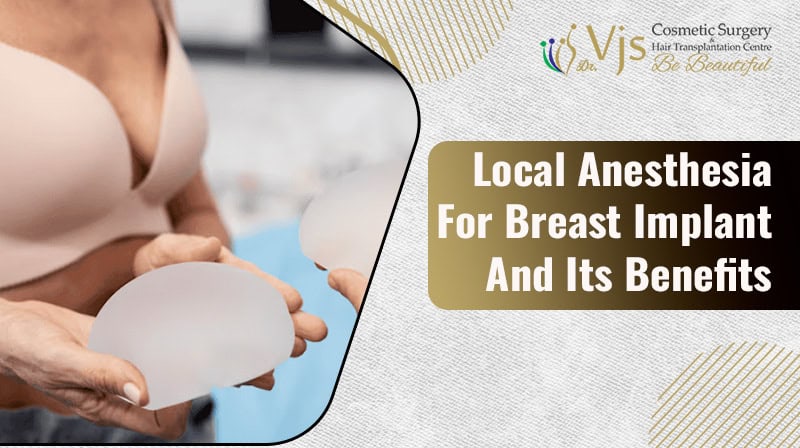
Local anaesthesia with sedation may be suitable for selected breast-augmentation cases, but it is not automatically safer than general anaesthesia. Learn what affects anaesthesia planning and what to discuss before surgery.
Gynecomastia: Common Myths, Causes and When Treatment Is Needed
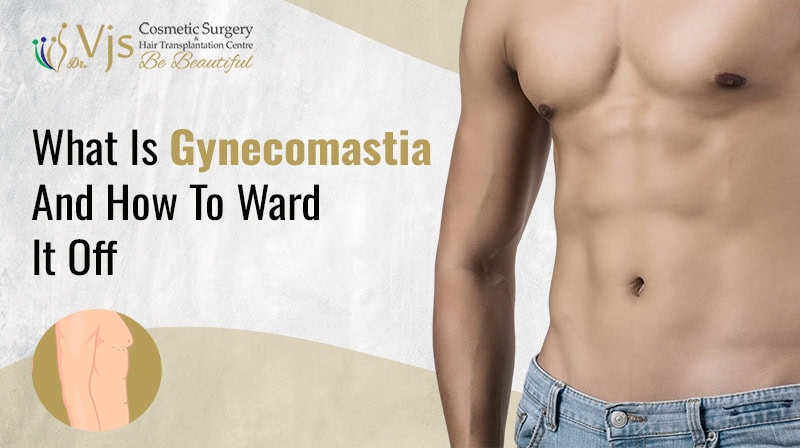
Gynecomastia is enlargement of glandular breast tissue in males. Learn what causes it, what exercise cannot fix, and when observation, medical review or surgery may be appropriate.
Understanding Causes Of Rhinoplasty And Tips To Prevent Them
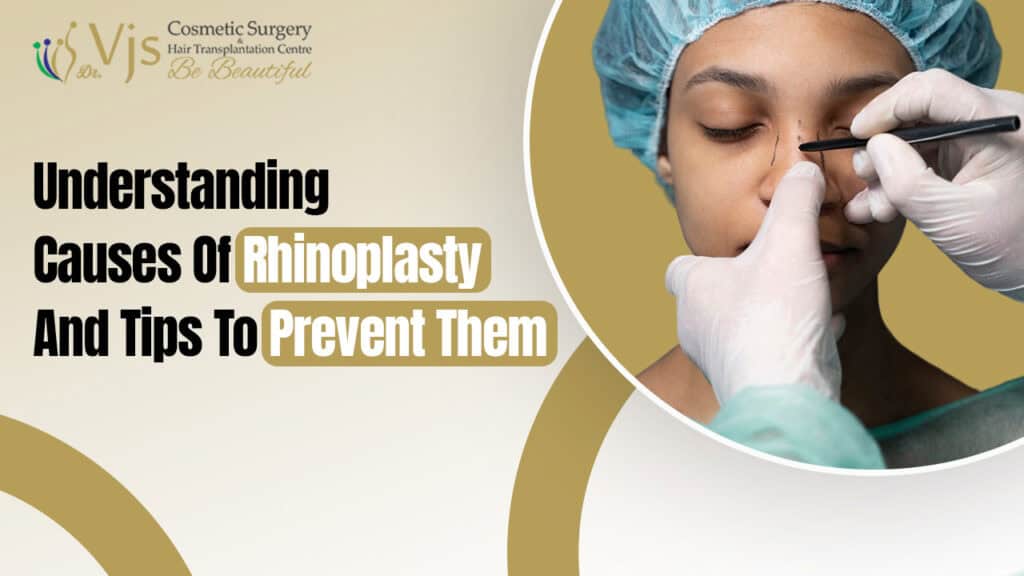
What is Rhinoplasty Surgery? Rhinoplasty, commonly known as a nose job, is a surgical procedure to reshape or refine the nose for cosmetic or functional reasons. Whether you’re considering it for aesthetics or to improve breathing, after rhinoplasty, it’s common to experience a blocked nose; here’s why it happens and what you can do about it. Rhinoplasty cost varies widely depending on several factors. What are the causes of Rhinoplasty? Let’sr review some of the common causes that contribute to the need for rhinoplasty. Swelling & Inflammation Right after surgery, your nasal tissues swell up, making it hard to breathe. This is totally normal and usually peaks within the first week before gradually improving. Swelling and bruising are common after rhinoplasty. Internal nasal splints or packing Some surgeons place splints or packing inside the nose to support healing. While these help with recovery, they can make breathing impossible until they’re removed. There is also the problem of temporary breathing difficulties. Dried blood and mucus buildup Since you can’t blow your nose for a while, dried blood and mucus can accumulate, leading to congestion; also, there is numbness around the nose. Residual scar tissue In rare cases, scar tissue inside the nose can cause long-term congestion, but this is usually only a concern months after surgery. Rare complications like infections or unsatisfactory results can be seen. Recovery timeline In week 1, selling and bruising peak, splints may be removed; in weeks 2-3, bruising fades, and breathing improves; after 1-3 months, most of the swelling is gone, and nasal shapes refine, and finally, up to 1-year, final results become fully visible. Preventive Measures Here are some preventive measures which can help you after Rhinoplasty: Be patient Swelling takes time to go down. Most people start breathing better within a few weeks, but full relief can take months. Keeping your nasal passages moist with saline spray helps loosen mucus and prevent crusting. Dry air can make congestion worse. A humidifier helps keep your nasal tissues comfortable. Avoid blowing your nose. As frustrating as it is, blowing your nose too soon can damage delicate healing tissues. If you need relief, gently dab your nostrils instead. Propping yourself up with extra pillows can reduce swelling and help you breathe easier at night. If your congestion isn’t improving after a few weeks or feels extreme, your surgeons can check for any issues and suggest treatments. How is Rhinoplasty beneficial? Rhinoplasty isn’t about changing the shape of the nose; it can offer both cosmetic and functional improvements. Whether you’re looking for a confidence boost or better breathing, here are some key benefits of rhinoplasty. Enhanced facial harmony A well-proportioned nose can balance your facial features, making your overall appearance more symmetrical and aesthetically pleasing. For those with deviated septum or other structural issues, rhinoplasty can clear airway obstruction, making it easier to breathe, especially during exercise or sleep. Unlike some cosmetic procedures that require regular upkeep, rhinoplasty offers permanent changes, making it a worthwhile investment. Boost confidence and correct birth defects. If you’ve always been self-conscious about your nose, rhinoplasty can help you feel more comfortable in your skin. Rhinoplasty gives you confidence and makes you feel more comfortable. Nasal deformities from birth or trauma like a broken nose can be repaired, restoring both function and reappearance. It also improves nasal airflow; rhinoplasty surgery can help reduce snoring and even alleviate some cases of sleep apnea. For the Best Treatment, Visit Dr. VJs Cosmetic Surgery & Hair Transplantation Centre Step into the world where beauty meets precision. Experience personalised care, advanced procedures and the best results, all in a safe, luxurious environment at Dr VJs Cosmetic Surgery & Hair Transplantation Centre. Contact us today for a better experience.
Alopecia and Hair Loss: Types, Evaluation and Treatment Options

Hair loss is not a single diagnosis. “Alopecia” is a broad term that includes several conditions with different causes, patterns and treatment approaches. Before choosing medicines, injections, devices or surgery, it is important to identify which type of hair loss is present and whether the follicles are still capable of producing hair. Common categories of alopecia Androgenetic alopecia is pattern hair loss influenced by genetics and androgen sensitivity. It may affect men and women differently and usually progresses gradually. Alopecia areata, by contrast, is an autoimmune condition that can cause sharply defined patches of hair loss and may follow a very different course. Other forms of hair loss can result from inflammation, scarring, traction, illness or temporary shedding. The main hair loss guide provides a diagnosis-first overview, including when an examination or further testing may be useful. Treatment depends on the diagnosis There is no single treatment that is appropriate for every type of alopecia. Options that may be discussed for selected patients include clinician-directed medicines, treatment of an underlying scalp condition, low-level light devices, microneedling, platelet-rich plasma and surgical hair restoration. The quality of evidence and expected benefit differ between these approaches. PRP therapy is one procedure sometimes discussed for selected non-scarring hair-loss conditions, but it should not be described as a cure or guaranteed regrowth treatment. Likewise, low-level light therapy and microneedling may be considered in certain settings, but response varies and they are not interchangeable with medical diagnosis. When is hair transplantation relevant? Hair transplantation redistributes existing donor follicles; it does not create an unlimited new supply of hair and does not stop progression of untreated native hair loss. It is generally considered only when the diagnosis, donor area and pattern of loss make surgery appropriate. Active scarring or inflammatory conditions may require different management first. Medicines require individual advice Some hair-loss medicines are available by prescription or over the counter in certain regions, but suitability depends on factors such as age, sex, pregnancy potential, medical history and other medicines. Do not start, stop or change a prescribed treatment solely because of an online article; discuss risks, expected benefit and alternatives with an appropriate clinician. If shedding is sudden, patchy, associated with scalp redness, scaling or pain, or continues to worsen, arrange an individual assessment rather than trying several treatments at once. For consultation information, use the contact page.
How does hair get affected by smoking?
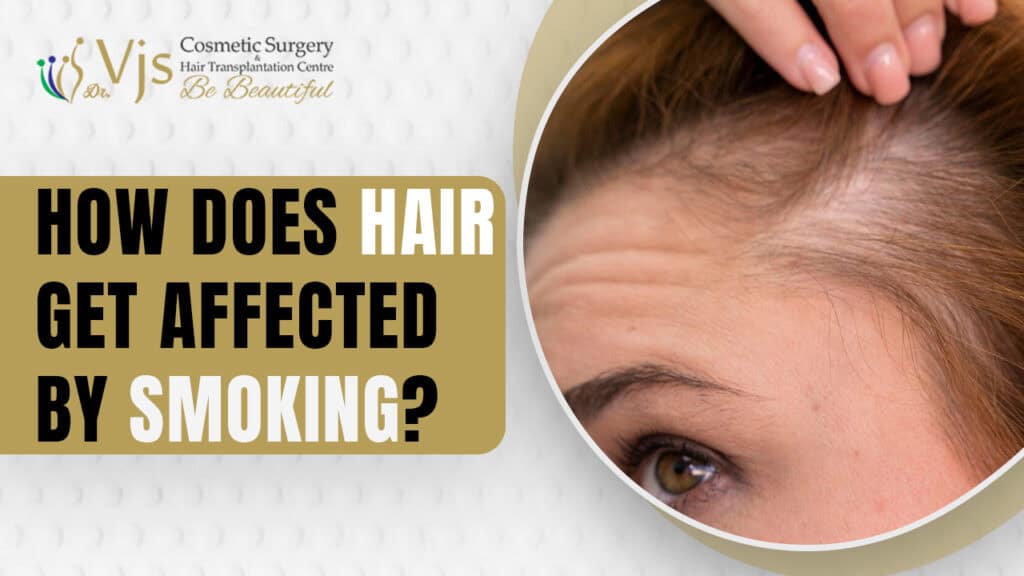
The connection between smoking and hair loss Hair health is essential for everyone’s appearance and confidence. Research has shown a strong link between hair loss and smoking, revealing that those who smoke at least 10 times a day are most likely to have developed androgenetic alopecia (AGA) with hair thinning and baldness. Men and women both experience AGA and male or female baldness. Hair loss and alopecia are becoming very popular nowadays. Understanding the causes and determining the right hair care promotes stronger hair. Role of smoking in hair health Understanding the role of smoking and how it affects the whole scalp is helpful to recognise its impact and to take steps to quit right away. Insufficient blood flow to hair follicles Nicotine does not let the blood flow to the scalp and deprives hair follicles without giving nutrients and oxygen. When this disruption takes place, it weakens the hair, the growth of hair slows down and the risk of hair thinning or baldness increases. Over time, nicotine contributes to hair and an overall unhealthy scalp. Disrupts hormonal balance The toxins present in cigarettes disrupt hormonal balance, leading to an increased DHT level, which is a key factor in AGA. Additionally, consistent smoking reduces collagen production, which weakens the scalp structure and further gives rise to hair loss and alopecia. Premature canities Smoking not only causes hair loss but also accelerates premature graying by damaging melanocyte cells, that are hair growth responsibles. Studies have shown that smokers are more likely to develop such problems as compared to nonsmokers due to the buildup of toxins in the scalp, contributing to pigmentation. Scalp infections Frequent smoking weakens the immune system, which ends up making the scalp more vulnerable to fungal infections and other issues that give rise to complications related to hair. Scalp and fungal infections lead to redness, itching and dandruff. These issues get more difficult to treat because of the poor blood flow to the scalp, which ultimately slows down the hair growth process and takes time to recover. Quitting smoking can help maintain hair health It’s not the end; hair health can be improved by quitting smoking. Once the person has stopped smoking, it improves the blood circulation to the scalp that allows hair follicles to expect oxygen and nutrition throughout that gets blocked when smoking. Let’s review some of the factors that are a cure for falling hair. Balanced diet A healthy diet plays a vital role in maintaining strong hair and a beautiful scalp. Many nutrients such as protein, biotin, iron, vitamins A, C and D, and omega-3 fatty acids are highly beneficial for preventing dryness and hair thinning. Intake of plenty of water also matters by increasing the scalp circulation and reducing the risk of further complications such as alloplastic hair loss. Gentle hair care Proper hair care is also essential for maintaining healthy hair growth. Excessive use of hair styling tools such as straighteners and curling irons increases breakage. Limiting the use of such tools and chemicals strengthens hair follicles. Apart from this, daily scalp massaging has also proven to be the best factor that promotes hair growth. Repair your hair with Dr VJ’s Clinic If you are noticing any symptoms like hair thinning, excessive shedding, or any other scalp issues, we offer the best treatments tailored to your needs. Our team of experts provide personal guidance on maintaining a healthy lifestyle, by starting with assessing the needs and evaluation of any underlying cause. Contact Dr VJ’s Clinic today for healthier and fuller hair scalp.