
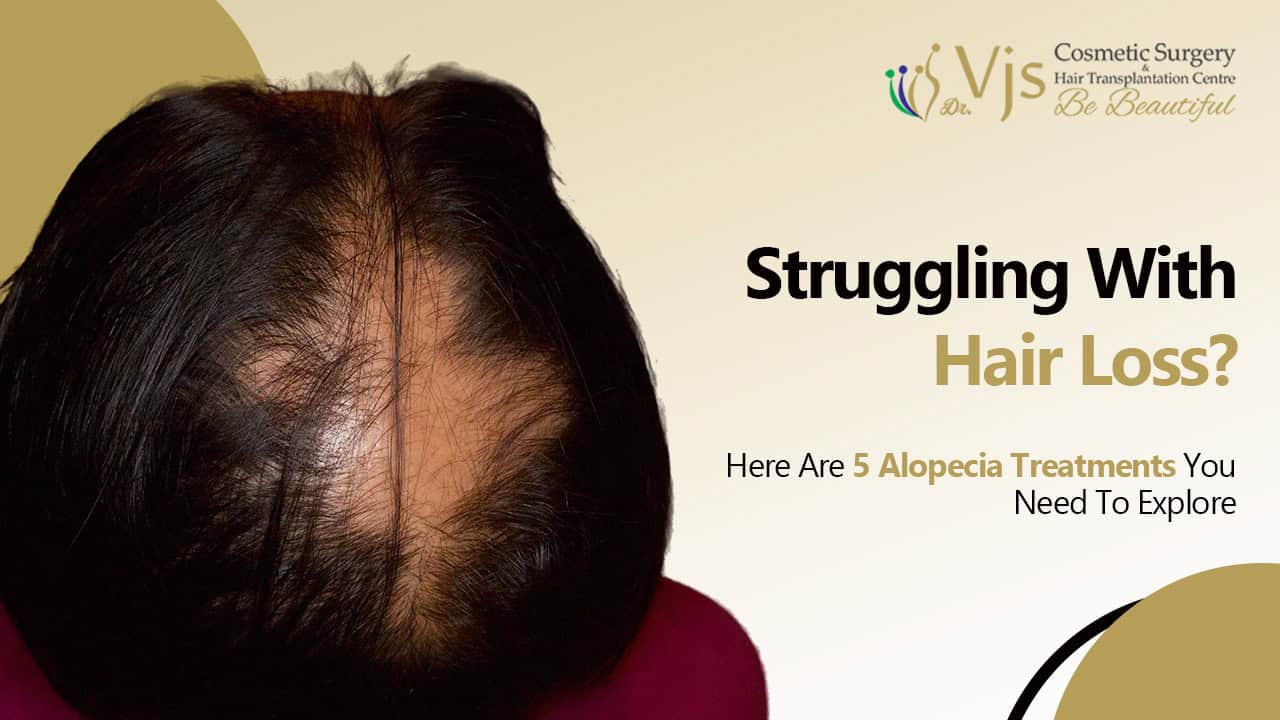

Hair loss is not a single diagnosis. “Alopecia” is a broad term that includes several conditions with different causes, patterns and treatment approaches. Before choosing medicines, injections, devices or surgery, it is important to identify which type of hair loss is present and whether the follicles are still capable of producing hair.
Common categories of alopecia
Androgenetic alopecia is pattern hair loss influenced by genetics and androgen sensitivity. It may affect men and women differently and usually progresses gradually. Alopecia areata, by contrast, is an autoimmune condition that can cause sharply defined patches of hair loss and may follow a very different course. Other forms of hair loss can result from inflammation, scarring, traction, illness or temporary shedding.
The main hair loss guide provides a diagnosis-first overview, including when an examination or further testing may be useful.
Treatment depends on the diagnosis
There is no single treatment that is appropriate for every type of alopecia. Options that may be discussed for selected patients include clinician-directed medicines, treatment of an underlying scalp condition, low-level light devices, microneedling, platelet-rich plasma and surgical hair restoration. The quality of evidence and expected benefit differ between these approaches.
PRP therapy is one procedure sometimes discussed for selected non-scarring hair-loss conditions, but it should not be described as a cure or guaranteed regrowth treatment. Likewise, low-level light therapy and microneedling may be considered in certain settings, but response varies and they are not interchangeable with medical diagnosis.
When is hair transplantation relevant?
Hair transplantation redistributes existing donor follicles; it does not create an unlimited new supply of hair and does not stop progression of untreated native hair loss. It is generally considered only when the diagnosis, donor area and pattern of loss make surgery appropriate. Active scarring or inflammatory conditions may require different management first.
Medicines require individual advice
Some hair-loss medicines are available by prescription or over the counter in certain regions, but suitability depends on factors such as age, sex, pregnancy potential, medical history and other medicines. Do not start, stop or change a prescribed treatment solely because of an online article; discuss risks, expected benefit and alternatives with an appropriate clinician.
If shedding is sudden, patchy, associated with scalp redness, scaling or pain, or continues to worsen, arrange an individual assessment rather than trying several treatments at once. For consultation information, use the contact page.