
Does Lipoma Removal Lead to Large Scars and Recurrence?


Most individuals might not be aware of the term “lipoma”; if you are one of them as well, then you might understand this term through its specific symptoms. Feeling a soft jelly bean on your neck, shoulder, arms or thighs that is quite visible is associated with a lipoma. Now that you have got the name for those rubbery and squishy lumps over any part of your body, it is crucial to understand the right treatment as well. Usually, lipoma treatment is a game of wait and watch, as they get better without treatment; also, sometimes they don’t even cause any pain. However, if you notice rapid growth in their size, which gradually starts affecting your overall look and confidence, then surgical incision becomes a great option. But, hold on! There are a few instances of lipoma recurrence after a few days following the initial surgery, which strongly indicates an incomplete surgical procedure. Although lipoma removal scar recurrence is rare, at about 1% to 5%, it entirely depends on the incision type and the specific technique used for lipoma removal. Welcome to this blog post, where you’ll be introduced to the reasons why lipoma removal surgery includes the chances of recurrence and large scars, so continue reading. Which types of surgical techniques are used for lipoma removal? Different surgical techniques have been used for lipoma removal; the specific technique is selected based on the exact size of the lipoma, the number of lipomas you have and your personal and medical assessment. What leads to large scars and recurrence after lipoma removal surgery? First, understand what leads to lipoma regrowth:- It is important for you to understand that the lipoma recurrence rate is quite low, according to studies by the National Library of Medicine; however, its recurrence depends entirely on the specific type of surgical incision and an incomplete removal. Now, what leads to large scars:- Lipoma removal scar recurrence timeline generally starts gradually, over days and months. What are the risks associated with the lipoma removal surgery? The Bottom Line! Summing up the above-mentioned lines, you might have apparently understood the factors leading to lipoma recurrence and large scars after the lipoma removal surgery. However, this cannot be everyone’s case; this only demonstrates the possibilities after the surgery. Also, if you understand the right techniques that must be followed for lipoma removal scar recurrence aftercare, then your scars can be managed. If you have been struggling with lipoma, then schedule an appointment with your healthcare provider in order to get the right guidance and solution. You can even ask about your specific concerns regarding lipoma removal scar recurrence in Vikhakhaptanam to get precise answers. We, the experts at VJ’s Cosmetic Surgery and Hair Transplantation Centre, also provide different cosmetic surgeries, tailored to custom needs with the aim of boosting self-esteem. Meet our qualified expert, Dr. C. Vijay Kumar, who has gained knowledge in performing jar loss treatments along with cosmetic surgery. FAQs Generally, lipomas can be removed within 20 to 45 minutes; however, if the lipomas are larger in size, then it might take some more time to be removed. No, it is not necessary to choose a surgical method again if the lipoma has regrown; you can discuss it with your healthcare provider before proceeding further. Steroid injections, liposuction and other alternative treatments are still available to remove lipomas other than surgical excision. It does not directly indicate that such lipomas are cancerous; however, incomplete removal- surgery is one of the major reasons- can lead to recurrence. Still, make sure to discuss with your healthcare provider whether those regrown lipomas are cancerous or not. You can choose any topical care after discussing with your healthcare provider to apply over the scar for less visibility. Yes, the scars can be permanent; however, they usually get flattened or less visible with time.
How Functional Rhinoplasty Improves Breathing?
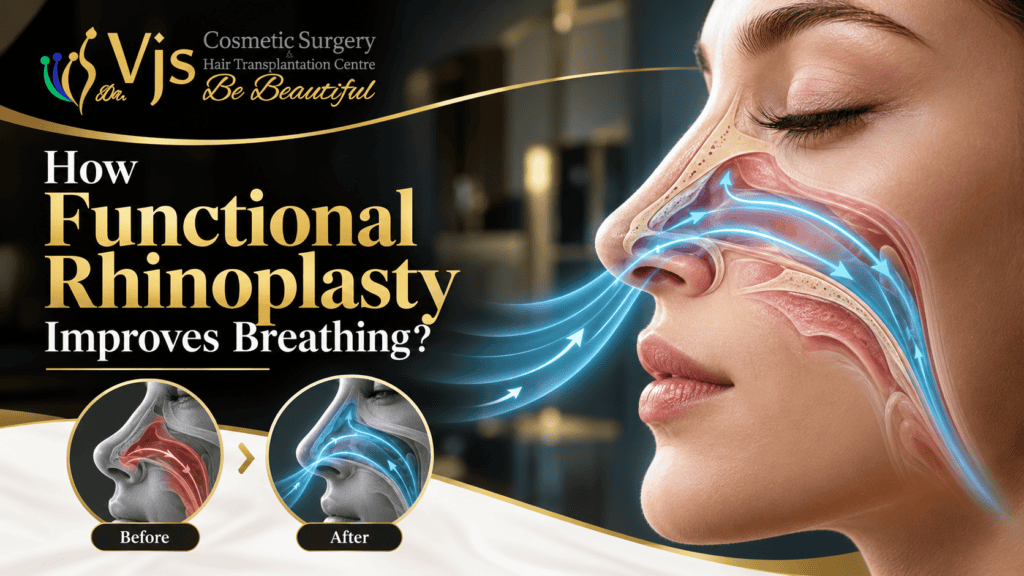
Functional Rhinoplasty is a type of surgery that works to improve airflow through the nasal passages while fixing nasal obstructions such as septal deviation, nasal valve collapse, turbinate enlargement and nasal irregularities that restrict breathing. The aim of functional rhinoplasty in Visakhapatnam is to enlarge the airflow, it maintains the proper alignment and structural support so that the person can breathe easily and take in air without any disruptions. When people hear the word rhinoplasty, they start thinking about the appearance of the nose, but in reality, it is about fixing the nose within itself so that a person can breathe normally. Rhinoplasty is of two types: cosmetic rhinoplasty, which mainly focuses on the appearance of the nose, and functional rhinoplasty, which focuses more on fixing irregularities. Guidelines to follow for Functional Rhinoplasty People who are going through breathing problems on a daily basis. They must undergo functional rhinoplasty for breathing under the personal guidance of a professional doctor. And they must follow the steps that are given by the doctors. Famous Myths About Functional Rhinoplasty Breathing In India, most of the population is not really aware of rhinoplasty surgery. They perceive it as a normal surgery for the aim of changing their appearance. Here are the common myths that must be clarified – Causes of the nasal obstructions Nasal obstructions can be a major reason for breathing difficulty; they happen when the airflow of the nose is restricted. The main reasons are swelling, inflammation and structural blockage. However, there are structural causes of restricted breathing. Final Takeaways Nasal obstruction is a common issue rising in the country, so it is important to identify the issue and get the right guidance under Dr. C.Vijay Kumar, who has years of experience in the field of cosmetic surgery. VJS Cosmetic and Hair Transplant Centre is a reliable clinic in Vizag, Andhra Pradesh, which performs functional rhinoplasty breathing Visakhapatnam region effectively. Patients who are suffering from nasal problems must visit the clinic. Frequently Asked Questions There is no fixed age for functional rhinoplasty surgery, but it is recommended that the individual be over the age of 15 – 16 years to go for treatment. 2. Does the patient travel after surgery? It is recommended that the individual restrict travel for the upcoming days after the surgery. 3. Can rhinoplasty be done during a cold? If a client has a cold, they should immediately inform the surgeon so they can postpone the rhinoplasty. 4. What prescription should I take after surgery? The patient needs to focus on rest and avoid transportation. Quit smoking and follow a healthy lifestyle. 5. Does previous surgery affect functional rhinoplasty surgery? The individual needs to share all previous surgeries with the surgeon so that the surgeon can operate accordingly.
Crown Hair Transplant Vs Hairline Transplant: Understanding The Difference In Graft Strategy
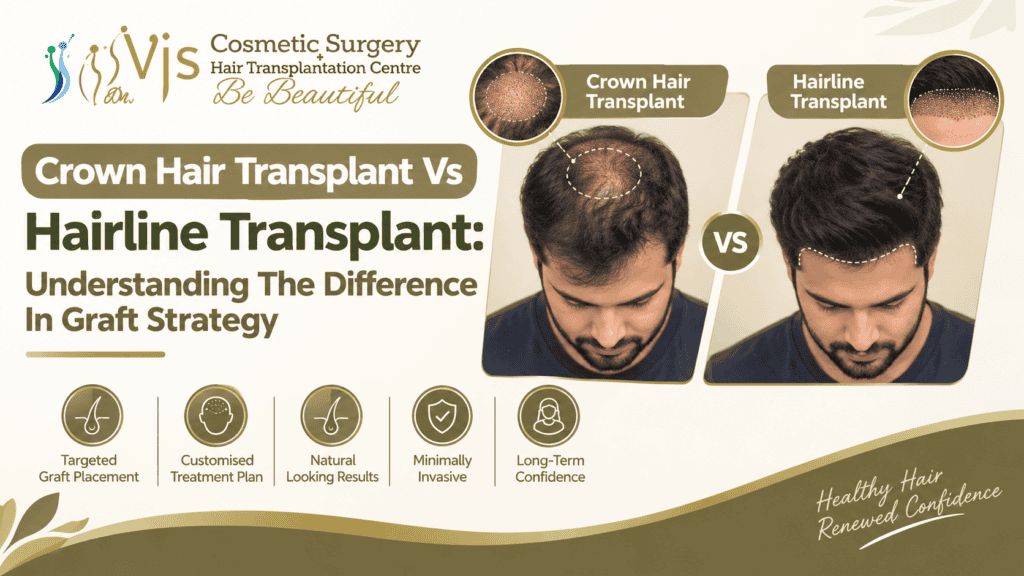
Hair loss can be a harrowing experience for men and women, and it tends to impact confidence and self-esteem. Hair transplant is a long-term solution to baldness and thinning hair, but it is a subtle and painstaking procedure and a combination of medical science and art. Hair transplant is not just about covering the bald area, as hair loss can affect the hairline, crown or both and covering each area requires different surgical procedures for both crown vs hairline hair transplant. The crown vs hairline hair transplant differences matter because of graft count, growth direction, healing time and donor management. Understanding the crown vs hairline hair transplant comparison techniques can help patients plan their hair transplant treatment with clear expectations, especially when both areas are affected at the same time. What Is The Difference? Crown Vs. Hairline Hair loss may affect every part of the scalp in different ways, including the hairline and crown; these two most common areas are treated with hair transplantation surgery. Restoring these areas requires different surgical considerations; hair transplant for the hairline usually creates a natural-looking frontal frame for the face. Whereas crown hair transplant usually requires more grafts and takes longer to show denser visibility. Why Is Graft Allocation Important? The average patient has 5000 to 8000 grafts available from the donor area in a lifetime, depending on the density, hair characteristics and long-term donor preservation requirements. The crown alone requires between 2000 to 3500 grafts while producing a moderate visual improvement. Whereas, the hairline can be restored with 1500 to 2500 grafts and deliver a dramatic face transformation. Why Does Single Hair Grafts Matter At The Hairline? To create a soft transition at the hairline, single hair follicle units are valuable, and surgeons may use larger follicle units behind the hairline for increased density. In this scenario, the objective is not to place as many grafts as possible, but the primary goal is to create a natural transition from forehead to scalp using donor follicles efficiently. Crown Restoration Requires Spiral Reconstruction If grafts were not implemented with respect to the natural orientation, then the crown may look unnatural. The surgeon must consider: More Grafts May Be Required for Crown Restoration The most important difference between hairline and crown transplantation is graft economics. A modest number of grafts can create a significant improvement along a receding hairline because all the new hairs are placed together in a highly visible area at the front of your face. Whereas, in crown hair transplant, a large thinning region may require a sufficient number of grafts to create meaningful visual coverage. Densely visual appearance may depend on factors including: Hair Transplant Depends On The Donor Hair Availability Hair transplant does not create new follicles but redistributes existing follicles from the donor region to the bald area, and a surgeon may examine the following before starting hair transplantation surgery: Conclusion The right hair transplantation treatment for the hairline, the crown or both depends on the patient’s pattern of loss, donor capacity and age. In the crown and hairline, neither area needs more grafts automatically, but the hairline usually requires greater density and effective graft selection because the face frame depends on this. Typically, the crown uses a lower density per square centimeter, but it can become the larger graft consumer because of its broad circular area. The best hair transplant plan is not the one with the highest graft numbers, although it is one that can create the greatest cosmetic improvement while protecting enough donor hair for the future. If you are deciding between a crown vs hairline hair transplant in Visakhapatnam, a full scalp and donor assessment can help to determine where your available graft will provide the most value. You can book an appointment with VJ’s Cosmetic Surgery and Hair Transplantation Centre for hair restoration and cosmetic surgery consultations with treatment planning on the basis of your concern. Dr. C Vijay Kumar has more than 40 years of clinical experience, and you can receive clear information about crown Vs. hairline transplantation surgery and different graft strategies. FAQs How many grafts are required for a hairline? There is no fixed number, but restoring the hairline typically requires between 1000 and 2500 grafts, and proper measurements are needed before estimating a graft target. Why is it called the crown graft Hungary area? The crown can cover a large circular region and requires a follicle to follow a spiral pattern, which is why an aggressive crown needs a sufficient portion of the patient’s donor supply. What should I cover first with a crown or hairline? When donor grafts are limited, surgeons mainly give more priority to frontal framing; however, the right sequence depends on stability and extent of your hair loss. How long does it take to get a hair transplant result? Hair transplantation is a gradual process, and transplanted hair may shed before new growth develops, but your surgeon may provide a more specific timeline based on your procedure.
Gynecomastia: Gland Tissue Vs Chest Fat: The Biological Difference That Dictates Your Treatment
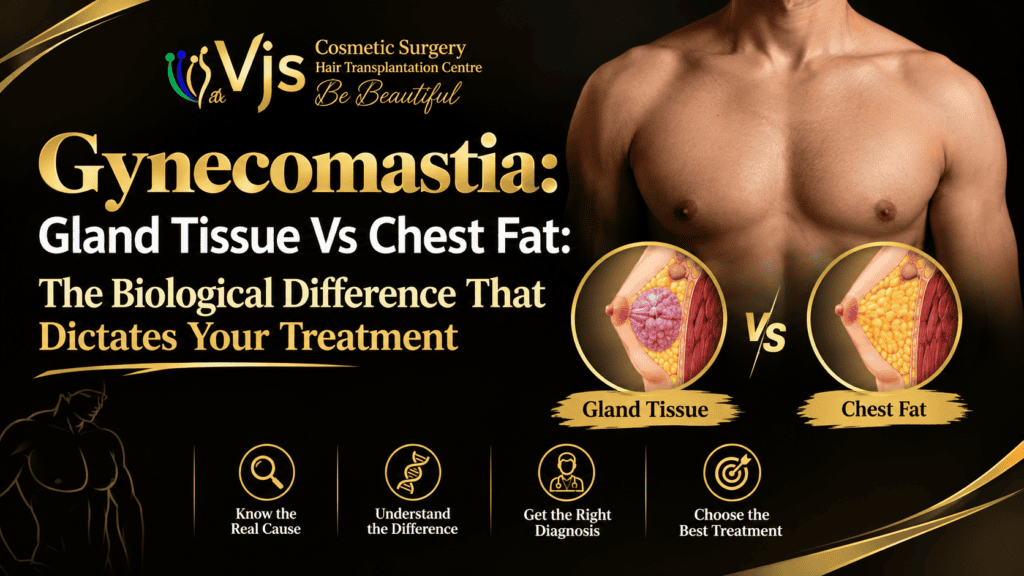
Enlarged chest tissue among men is common, but it causes confusion among them as they observe changes in their chest appearance. Sometimes this occurs during adolescence and disappears on its own with time, but some men experience gynecomastia later in their life. This condition can occur due to anything including hormonal imbalance to the use of certain medications. Understanding gynecomastia Vs. fat can be confusing because both conditions can make a man’s chest look enlarged. However, both conditions are different; gynecomastia is related to the growth of glandular breast tissue, while chest fat is associated with fatty tissues stored around the chest. Knowing the gynecomastia gland Vs. fat differences can help you understand why your chest looks enlarged and what type of treatments can be appropriate. Recognizing the gynecomastia vs. fat comparison can also make it easier to discuss chest appearance during a professional examination. Factors such as body weight, hormones, age, genetics and lifestyle can all impact the chest. What Is Gynecomastia? An enlargement of male breast tissue, and it commonly occurs due to an imbalance between estrogen and testosterone activity in the body. It is different from normal fat; it involves actual enlargement of glandular tissues around the nipple area, and it can affect one side of the chest or both sides. Gynecomastia can occur in different stages of life, including: In some conditions, it occurs temporarily, especially during puberty, but others may persist and become a long-term concern. If you do a comparison between gynecomastia and chest fat, the presence of firm tissue around the nipples is one of the important clues that may point to gynecomastia. What Is Chest Fat? Excess fatty tissue stored around the chest is referred to as chest fat, and generally, it is related to whole-body fat instead of enlargement of the breast gland. Men who gain weight may observe additional fat around several areas such as: The other difference is that chest fat may feel softer than glandular tissue, and its appearance also changes because overall body weight increases or decreases. In the comparison between the two, chest fat may be associated with adipose tissue, whereas gynecomastia involves glandular breast tissue. Gynecomastia Vs. Chest Fat: Key Differences The primary difference between gynecomastia Vs. chest fat involves the type of tissue, as gynecomastia involves glandular breast tissue and chest fat consists mainly of excess adipose tissue. Understanding the difference is important because fat reduction and glandular tissue removal are not the same treatment options. Generally, chest fat feels soft and evenly distributed, while gynecomastia may feel firmer, particularly around the nipple or areola. Apart from this, a firm or rubbery area under the nipple can indicate gynecomastia, but physical evaluation is needed to determine the exact cause. Chest fat is directly associated with body fat; losing body weight can reduce the amount of fat stored around the nipples. But in the case of gynecomastia, it may remain even after reduced body weight, as glandular tissue does not necessarily disappear with dieting or exercising. Gynecomastia can create a more prominent or puffy skin around the nipple and areola, whereas chest fat enlargement is often more spread across the chest. However, appearance alone cannot always differentiate gynecomastia vs. chest fat. Exercise can reduce overall body fat and help to improve chest muscles. This method is particularly helpful when excess chest fat is primarily concerned, but exercise does not directly reduce enlarged glandular breast tissue. Chest fat occurs due to excess calorie intake and weight gain, whereas gynecomastia can have several possible causes, including hormonal changes, certain medications and is common with increasing age. Treatment for chest fat may involve weight management, exercise, nutrition and body fat reduction, but gynecomastia may need a different approach depending on its cause after examination. Conclusion Understanding gynecomastia vs chest fat is important because these two conditions may look similar but involve different types of tissues and require different approaches to treatment. Chest fat is commonly associated with overall body fat levels and can be reduced with weight management and exercise, but gynecomastia may remain even after exercise and weight loss. Suppose you are in doubt about gynecomastia Vs. fat in Visakhapatnam, then avoid relying only on appearance. A professional evaluation can help to identify the cause and guide you toward a treatment plan. For more information about gynecomastia Vs. chest fat, you can book an appointment with VJs Cosmetic Surgery and Transplantation Centre. Dr. C Vijay Kumar has more than 40+ years of experience in clinical practice. FAQs Can chest fat look like gynecomastia? Yes, excessive fat around the nipples in men can create an appearance similar to gynecomastia, and a professional examination is required to identify whether it is caused by fat or glandular tissue. Can losing weight get rid of gynecomastia? Reducing overall body weight can reduce the extra fat around the chest but may not remove established glandular breast tissue. Can chest exercises particularly burn chest fat? No, chest exercises only strengthen and build the chest muscles but cannot burn chest fat specifically. What treatments are available for persistent gynecomastia? The treatments may depend on the cause and severity, and options may involve observing the causes, selected medical treatments or surgery to remove excessive fat.
Phalloplasty: Techniques, Stages, Goals and Important Limitations
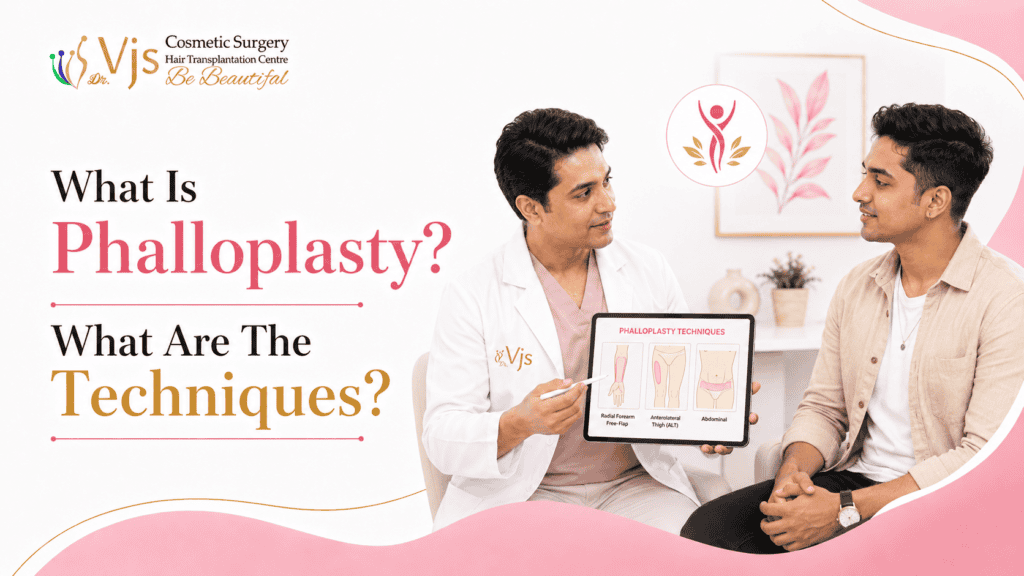
Phalloplasty is a complex reconstructive procedure that may be considered for gender-affirming care, trauma, cancer or congenital conditions. Technique, staging, urinary function, sensation and recovery vary by individual.
Vaginoplasty: Indications, Techniques, Risks and Recovery Considerations

Vaginoplasty can refer to different reconstructive or gender-affirming procedures. The reason for surgery, technique, risks and recovery vary, so assessment should be individualized.
Facial Feminization Surgery: Procedures, Planning, Risks and Recovery
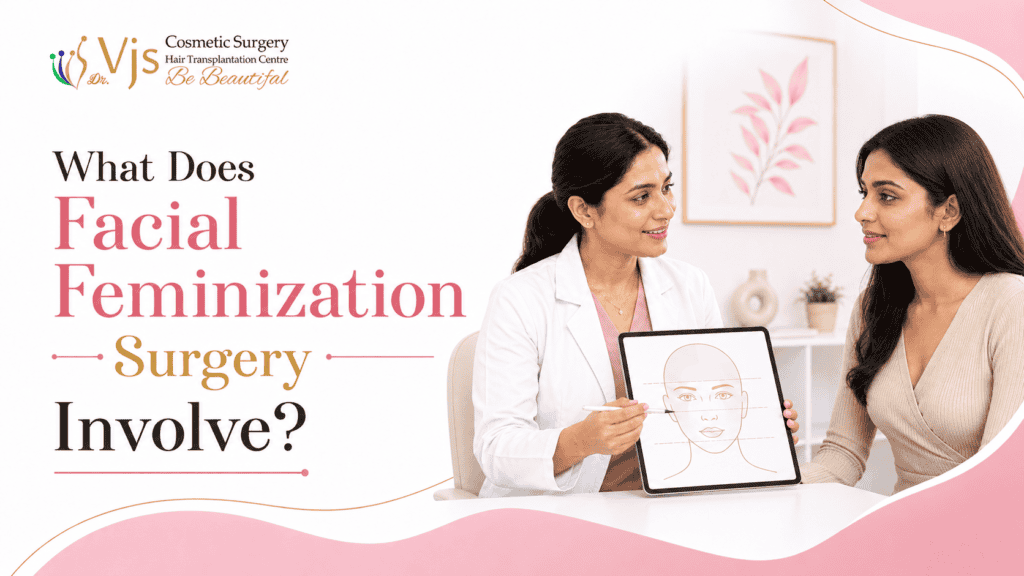
Facial feminization surgery may combine selected forehead, nose, cheek, jaw, chin or neck procedures. The plan should be individualized, with realistic discussion of risks, recovery and expected changes.
Bottom Surgery Costs: What Can Affect the Total Cost of Gender-Affirming Surgery?
A practical overview of factors that can affect the cost of gender-affirming bottom surgery, including procedure type, pre-operative assessment, hospital care, travel, recovery and insurance. Costs and suitability vary by individual and procedure.
Vaginoplasty Preparation: Questions to Discuss Before Surgery

Preparation for vaginoplasty depends on why the procedure is being considered, the surgical technique planned, existing health conditions and the surgeon’s perioperative protocol. It should not begin with a generic checklist or an instruction to stop medicines on your own. A safer approach is to review the planned operation, expected recovery, fertility considerations, wound care, mobility, bowel care and any medicines or supplements with the treating surgical team. Review medicines and health conditions with the surgical team Bring an up-to-date list of prescription medicines, over-the-counter products, vitamins and herbal supplements to the preoperative consultation. Some medicines can affect bleeding, clotting, blood pressure or anaesthesia, but changes should only be made when the prescribing clinician and surgical team advise them. Smoking, nicotine use, diabetes, previous surgery, anaemia and other medical conditions may also influence preparation and healing. Ask whether hair removal is required for the planned technique Hair-removal requirements are technique-specific. Some procedures may require treatment of skin that could later line an internal surface, while others may not. Because electrolysis or laser hair reduction takes time and can irritate skin, patients should confirm the exact area, method and timing with their surgeon rather than starting treatment from a generic online recommendation. Plan practical support for the first phase of recovery Recovery needs vary, but it is useful to discuss transport home, help with meals and daily activities, time away from work, wound-care supplies, follow-up appointments and whom to contact if symptoms change. If dilation is part of the planned postoperative care, the surgical team should explain when it begins, how it is performed and what problems require review. Pelvic-floor physiotherapy may be useful for selected patients, but it is not automatically required for everyone. Discuss fertility before any procedure that could affect reproductive options If future biological parenthood is important, ask the treating team whether fertility preservation should be considered before surgery or other treatments that may affect reproductive function. The appropriate option depends on individual anatomy, prior treatment and personal goals, so fertility preservation should be discussed as a choice rather than presented as a universal requirement. Know which recovery symptoms need medical review Temporary discomfort, swelling, changes in bowel habits and reduced mobility can occur after major pelvic surgery, but the pattern differs between procedures. Fever, worsening pain, heavy bleeding, difficulty passing urine, increasing redness, wound problems or other concerning symptoms should be assessed promptly according to the discharge instructions provided by the treating team. For broader information about procedures involving the genital or pelvic area, review the cosmetic gynaecology overview. Questions about whether a procedure is offered, which technique may be suitable and what preparation would apply should be addressed through an individual consultation rather than assumed from an educational article. Use the contact page to request an assessment.
Summer Hair Fall: Scalp Care, Breakage Prevention and When to Seek Help

Summer heat does not automatically cause permanent hair loss, but sweat, frequent washing, sun exposure, swimming, tight hairstyles and rough handling can make the scalp uncomfortable and increase hair breakage. A noticeable rise in shedding can also come from causes unrelated to weather, including stress, nutritional deficiency, thyroid problems, illness or pattern hair loss. If shedding is sudden, patchy or persistent, a diagnosis matters more than changing shampoo alone. How to protect hair and scalp in hot weather Clean the scalp according to oil and sweat levels. There is no universal rule that everyone should wash exactly twice a week. People who sweat heavily or have an oily scalp may need more frequent cleansing, while others may wash less often. Use a mild shampoo that suits your scalp and avoid aggressive scratching. Reduce avoidable shaft damage. UV exposure can contribute to dryness and weathering of the hair shaft. Hats, scarves and limiting prolonged direct sun exposure can help. Excessive heat styling, repeated straightening and vigorous towel drying can add further breakage. Keep hairstyles comfortable. Repeated tight ponytails, braids or buns can place traction on follicles. Long-term traction can contribute to traction alopecia in susceptible areas, so looser styles are preferable when the scalp feels tender or pulled. Support general health. Adequate protein, iron, zinc and other nutrients are relevant to normal hair growth, but supplements should not be taken automatically for shedding unless a deficiency or clinical reason has been identified. Hydration supports general health but is not a stand-alone treatment for pattern baldness. When summer shedding may need assessment Arrange a clinical assessment if you notice widening of the part, a receding hairline, distinct bald patches, scalp scaling or inflammation, or shedding that continues beyond a short seasonal period. Our hair loss guide explains common causes and diagnosis-first treatment options. If surgery is being considered for established pattern loss, review the hair transplant guide for candidacy, donor-area limits and recovery. For an individual scalp and hair assessment, you can use the contact page. Treatment depends on the cause of shedding, and results vary between patients.