
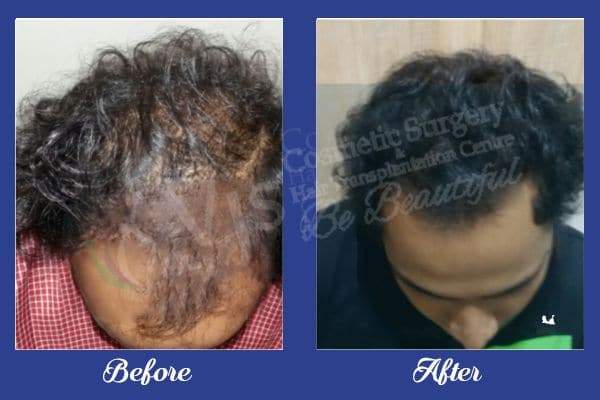

A hair transplant is a surgical treatment for selected forms of hair loss. The procedure is not identical for every patient: planning depends on the diagnosis, donor-area quality, hair characteristics, scalp condition and the amount of future hair loss that may occur. A good treatment plan should therefore begin with assessment rather than with a fixed graft number or price.
Before surgery: diagnosis and planning
During consultation, tell the clinician about medical conditions, previous procedures, smoking, allergies and all medicines or supplements you take. The scalp and donor area should be examined, and expectations about density, hairline design and future thinning should be discussed. Learn more on the main hair transplant page.
Medicines should be reviewed, not stopped on your own
Some medicines can affect bleeding, healing or anaesthesia, but patients should not independently stop blood thinners or other prescribed treatment. The surgeon and, where necessary, the doctor who prescribed the medicine should advise what is appropriate for the individual.
How grafts may be harvested
In FUE, follicular units are removed individually from the donor area. FUT uses a different harvesting method in which a strip of donor tissue is removed and divided into grafts. The choice depends on factors such as donor characteristics, hairstyle preferences, previous surgery and the number of grafts required. Neither technique is automatically the right option for everyone.
Creating recipient sites and placing grafts
After grafts are prepared, small recipient sites are made in the thinning area and grafts are placed according to the surgical plan. Direction, angle and distribution matter for an appearance that fits the surrounding hair. The achievable density is limited by donor supply and scalp factors, so a responsible consultation should discuss limitations as well as goals.
Anaesthesia and comfort
Hair transplantation is commonly performed with local anaesthesia, sometimes with additional medication depending on the case and setting. It should not be described as completely painless: injections, pressure, soreness or postoperative discomfort can occur, and the anaesthesia plan should be discussed before treatment.
What happens after the procedure
Temporary redness, crusting, tenderness or swelling may occur. Some transplanted hair shafts commonly shed during the early weeks before later regrowth. Recovery instructions vary, including when to wash the scalp, resume exercise and return to work.
Growth takes time
Visible regrowth usually develops over months rather than days. Some people notice early growth sooner than others, and maturation can continue through the first year and sometimes beyond. Results cannot be guaranteed because graft survival, hair calibre, progression of existing hair loss and individual healing differ.
Cost should be individualized
Hair transplant pricing varies with the treatment plan, graft requirement, technique and case complexity. A historical or fixed internet price should not be used as a universal quote. For the factors that can affect an estimate, see our hair transplant cost guide.
If you want an individual assessment, including whether surgery is appropriate at all, use the contact page to speak with the clinic.