
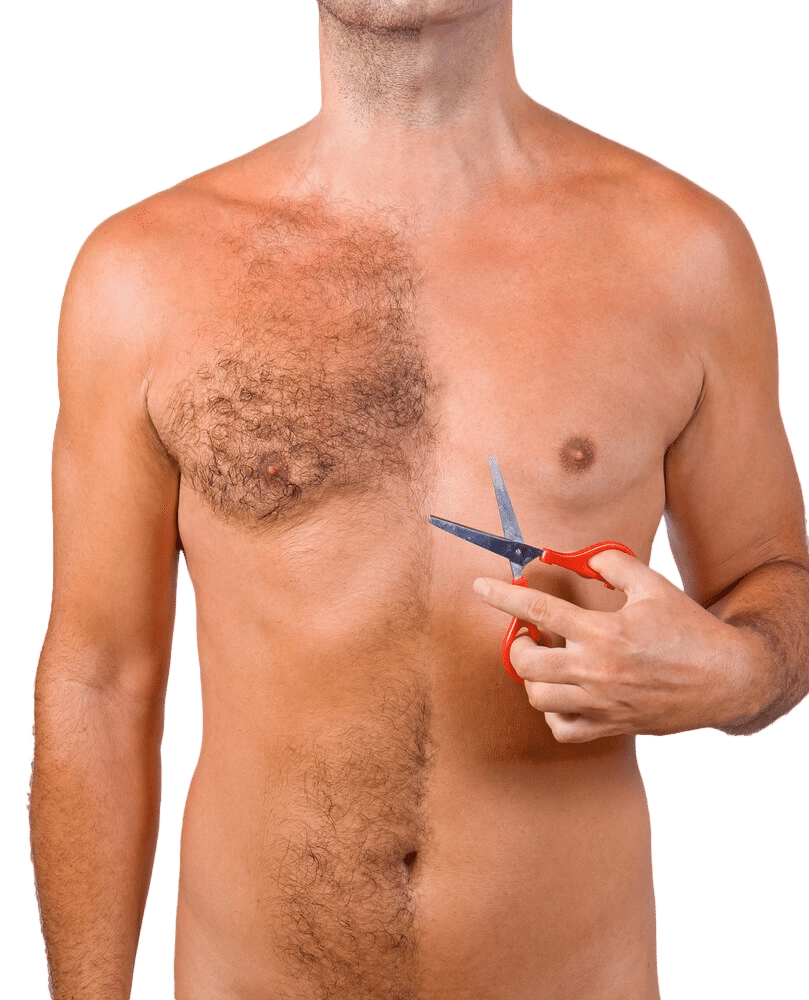

What body hair transplantation means
Body hair transplantation (BHT) generally refers to harvesting follicles from a non-scalp donor area and transplanting them to the scalp or another recipient site. It is most often considered when the scalp donor supply is limited or when a surgeon needs an additional donor source for a carefully planned restoration.
BHT is not a universal solution for advanced hair loss and should not be viewed as a guaranteed way to create high density. The number and type of usable follicles vary widely from person to person.
Why body hair behaves differently
Hair from the beard, chest and other body areas can differ from scalp hair in thickness, curl, colour, growth duration and maximum length. Those differences remain important after transplantation. A surgeon therefore considers not just how many follicles are available, but how well a particular donor type may blend with the intended recipient area.
What determines candidacy?
Candidacy is based on a combination of factors rather than a single baldness grade. The evaluation may include:
- the diagnosis and expected progression of hair loss;
- the density and quality of the remaining scalp donor area;
- the quantity, calibre, curl and colour of possible body donor hair;
- previous transplant procedures or donor-area scarring;
- the size and priority of the recipient zones;
- healing history, skin characteristics and medical suitability for surgery.
People should first understand the cause and pattern of their thinning. See the Hair Loss guide for a broader overview of assessment before treatment.
How non-scalp follicles are harvested
Body follicles are commonly harvested using an FUE-style technique in which individual follicular units are removed through small punch openings. Because the direction and depth of body follicles can differ from scalp follicles, extraction may require adjustments in technique and planning.
FUE does not mean scar-free surgery. Small dot-like scars, temporary redness, pigment changes or textural changes can occur at donor sites. The likelihood and visibility vary between people and donor areas.
Matching donor hair to the recipient area
Texture matching is an important part of planning. Coarser beard hair, for example, may contribute visual density in selected areas but may not be the first choice for creating a soft frontal transition. Shorter-growing body hair may also behave differently from longer scalp hair. The surgeon may combine donor sources rather than use one type throughout.
The main Body Hair Transplant page explains how these donor options fit within a wider surgical plan.
What BHT cannot guarantee
Body hair does not create an unlimited donor supply. Growth after transplantation can vary, not every harvested follicle will necessarily behave like scalp hair, and future native hair loss can continue. Treatment planning should therefore focus on realistic coverage, donor conservation and long-term priorities rather than a promise of a particular density or complete restoration.
Before making a decision
Ask why body hair is being recommended, which donor area would be used, how its texture is expected to blend, what donor-site changes may remain and how much donor reserve should be preserved. If the recommendation includes medications, supplements, shaving or pre-operative preparation, follow individualized instructions from the treating clinical team rather than generic online advice.
For a personalized assessment of scalp and body donor areas, visit the Contact Us page.