
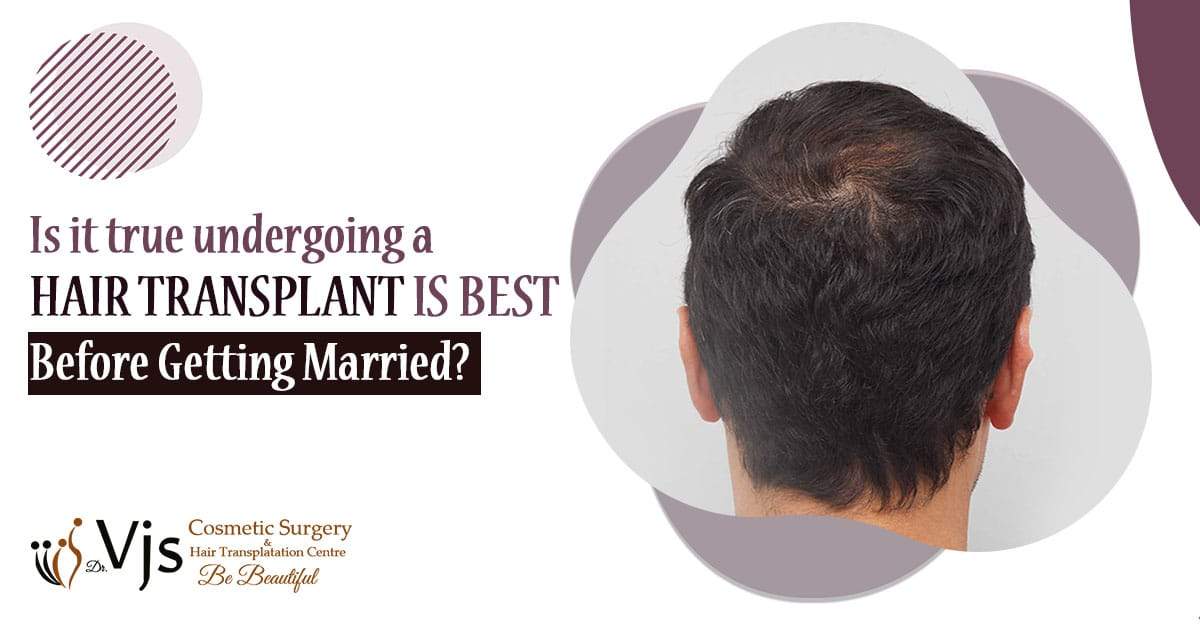

A wedding or other important event can make hair concerns feel more urgent, but a hair transplant should not be scheduled simply because a deadline is approaching. The decision should still begin with diagnosis, donor assessment and a realistic discussion of recovery and future hair loss.
Do you need a transplant just because a wedding is coming up?
No. Some people may prefer medical treatment, cosmetic camouflage, a hairstyle change or no treatment at all. Hair loss does not make someone medically unhealthy or less suitable for marriage, and surgery should not be framed as necessary for confidence, attractiveness or social acceptance.
If thinning is recent, sudden, patchy or unexplained, start with the Hair Loss guide and a clinical assessment rather than booking surgery around an event date.
Why timing can be difficult to predict
Hair transplantation involves a healing phase followed by gradual growth. Redness, crusting, swelling or temporary shedding may be visible for a period after surgery, and new growth develops over months rather than immediately. The speed and cosmetic appearance of recovery vary between individuals, so a fixed “ready by the wedding” date cannot be guaranteed.
Long-term planning matters more than the event
Transplanted follicles come from a finite donor area. A plan made only to improve one photograph or one occasion can use donor hair that may be needed later if native hair continues to thin. Hairline position, graft distribution and donor preservation should therefore be planned around the likely long-term pattern of loss.
FUE and FUT have different scar patterns
FUE removes follicular units individually and can leave many small extraction scars. FUT removes a strip of donor scalp and generally leaves a linear scar. Neither technique is scar-free, and neither can promise a specific density or permanently unchanged appearance.
Questions to ask when an event is influencing your decision
- Is my hair loss diagnosis clear?
- Is my pattern still progressing?
- What healing changes could still be visible near the event?
- How much donor hair should be preserved for the future?
- Would delaying surgery lead to a better-planned result?
- Are non-surgical options reasonable while I decide?
Do not rush medication or aftercare decisions
Some patients may be advised to use medical therapy before or after transplantation, but the choice depends on diagnosis, medical history and contraindications. Do not start, stop or alter prescription hair-loss medicines solely to fit a wedding timeline without guidance from the treating clinician.
For more detail on surgical candidacy and limitations, review the main Hair Transplant guide. You can also review the doctor profile and use the Contact page if you want an individualized assessment without assuming surgery is required.