
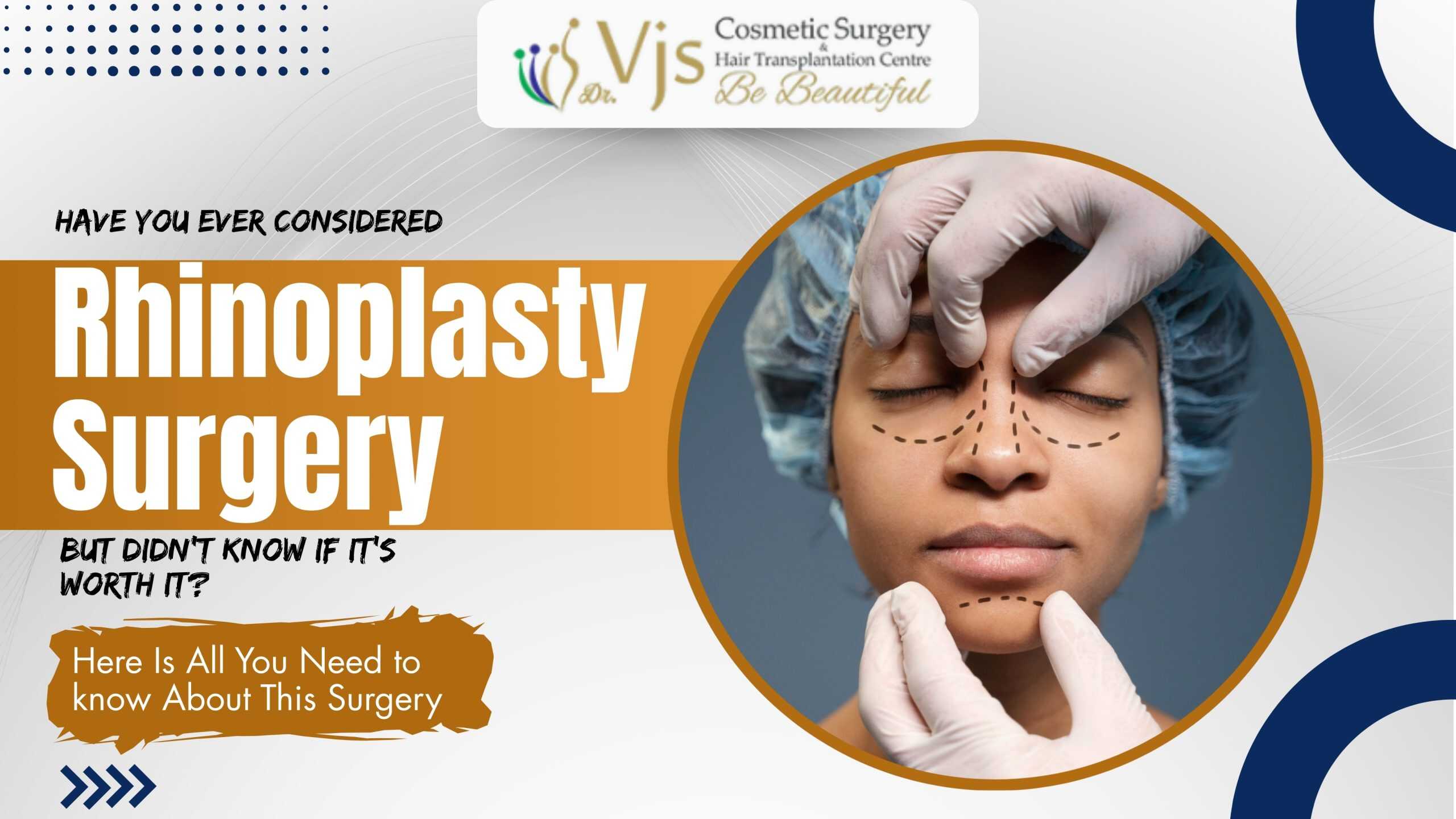

Rhinoplasty can change the shape or structure of the nose for cosmetic, functional or reconstructive reasons. It is not automatically “worth it” for everyone; the decision should follow an assessment of goals, nasal anatomy, breathing, previous surgery and realistic expectations.
For a full overview of indications, limitations and risks, see the main rhinoplasty / nose-correction guide.
Common rhinoplasty approaches
Cosmetic rhinoplasty may address contour, projection, a dorsal hump or selected asymmetry. Functional nasal surgery may be considered when structural problems contribute to breathing difficulty. Reconstructive or revision rhinoplasty may be needed after trauma, congenital conditions or previous surgery.
Open and closed approaches differ mainly in incision placement and surgical exposure. Neither approach is universally better. The choice depends on the changes required and the surgeon’s plan. See the comparison article on open versus closed rhinoplasty.
Recovery and risks
Swelling, bruising and nasal blockage are common early in recovery. The nose can continue to change for months, and there is no single guaranteed timeline for final appearance. Read the rhinoplasty recovery guide for activity planning.
- Bleeding or infection
- Scarring or prolonged swelling
- Changes in sensation
- Breathing problems or persistent obstruction
- Asymmetry or dissatisfaction with appearance
- Need for revision surgery
For an individual assessment of nasal function, appearance and treatment options, use the contact page. No surgeon can guarantee a specific appearance or perfectly symmetrical result.