
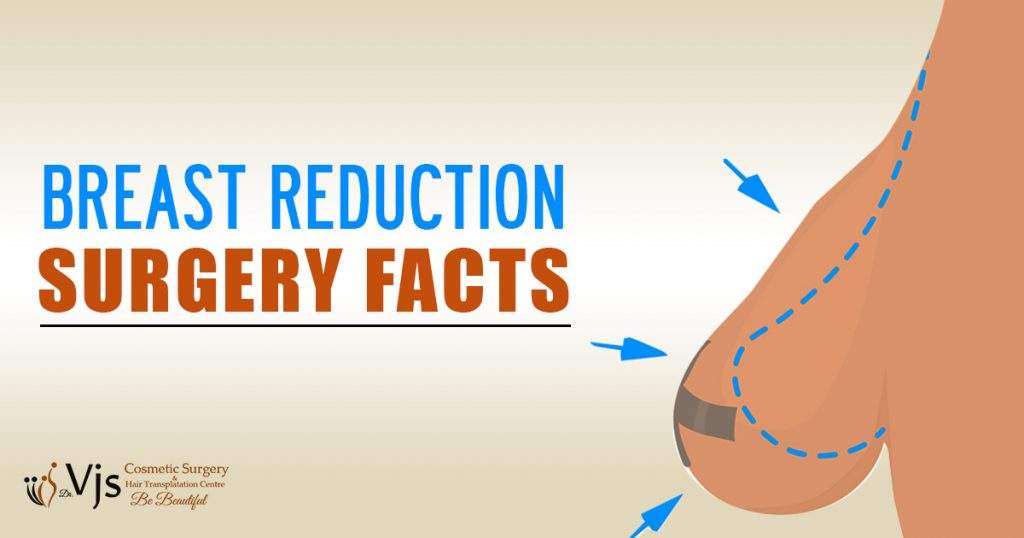

Breast reduction surgery removes a planned amount of breast tissue and skin to reduce breast volume and reshape the breast. Some people consider it because of physical symptoms such as shoulder or neck discomfort, skin irritation, bra-strap pressure or difficulty with activity; others are primarily concerned about proportion or appearance. The decision should be individualized rather than based on breast size alone.
For an overview of the procedure itself, see the main breast reduction surgery page. The points below focus on common questions that are often oversimplified online.
Is everyone with large breasts a candidate?
No. Candidacy depends on symptoms, goals, breast development, general health, smoking or nicotine use, previous breast surgery, pregnancy plans, medications and the patient’s ability to follow recovery instructions. Age by itself is not the only factor, and there is no universal age at which surgery is automatically appropriate or inappropriate.
In younger patients, breast development and the reason for surgery need careful assessment. In older patients, health conditions, breast screening history and anaesthesia risk may influence planning. A surgeon may also recommend additional evaluation when there is a new breast lump, skin change, nipple discharge or another concerning symptom.
Is breast reduction a “simple” or risk-free procedure?
Breast reduction is a significant operation and should not be described as automatically easy, quick or universally suitable for same-day discharge. The surgical plan varies according to breast size, tissue distribution, nipple position, skin quality, asymmetry and the amount of reduction required.
Possible complications include bleeding, infection, wound-healing problems, visible or widened scars, asymmetry, changes in nipple or breast sensation, fat necrosis, contour irregularity, nipple-areola healing problems, blood clots, anaesthesia-related complications and the possibility of further surgery. Individual risk depends on health and the procedure performed.
Does breast reduction always include a lift?
Reduction techniques usually reshape and reposition the breast while removing tissue, so lifting is often part of the surgical design. However, the degree of lift, scar pattern and final position vary. Surgery cannot guarantee perfect symmetry, a specific cup size, scar-free healing or a particular aesthetic result.
What should patients know about scars?
Breast reduction leaves permanent surgical scars. Their pattern may be around the areola, extend vertically toward the breast crease, and in some techniques continue along the crease. Scars often change in colour and texture as they mature, but how noticeable they remain differs between individuals. Previous scar behaviour, skin type, wound healing and surgical technique can all influence the final appearance.
Can breast reduction affect breastfeeding?
Yes. Breastfeeding ability can be reduced after some breast-reduction techniques because surgery may alter glandular tissue, ducts, nerves or blood supply. Some patients can breastfeed after surgery and others may have partial or insufficient milk production. The effect cannot be predicted with certainty for every individual.
If future breastfeeding is important, discuss this before surgery so that the surgeon can explain how the proposed technique may affect that goal. Pregnancy itself can also change breast size and shape after surgery.
Is breast reduction always covered by insurance?
No. Insurance rules differ by insurer, policy, indication and documentation requirements. Cosmetic surgery may not be covered, while some policies may consider reduction surgery when specific medical criteria are met. VJ Clinics should not be treated as a source of guaranteed insurance approval; patients should confirm benefits directly with their insurer and obtain any required documentation before relying on coverage.
What does recovery involve?
Recovery varies according to the extent of surgery and individual healing. Patients may experience swelling, bruising, tightness, altered sensation and temporary limitations on lifting or strenuous activity. Wound care, support garments, return to work, driving and exercise should follow the treating team’s instructions.
Do not stop prescription medicines, start supplements, or use pain medicines solely on the basis of general online advice. Medication planning should be personalized, particularly when blood-thinning medicines or other important long-term treatments are involved.
What should be clarified during consultation?
- What symptoms or goals is the operation intended to address?
- What reduction and scar pattern is being proposed, and why?
- How might surgery affect nipple sensation or breastfeeding?
- What complications are most relevant to my health and anatomy?
- What result is realistic, and what cannot be promised?
- What follow-up is available if healing is delayed or revision is needed?
For current location information or to arrange an assessment, use the VJ Clinics contact page. A consultation should help determine whether surgery is appropriate and explain alternatives, risks and expected recovery without relying on universal claims.