
मेथी, रोजमेरी और गुड़हल हेयर मास्क: क्या यह बाल झड़ना रोक सकता है?


मेथी, रोजमेरी और गुड़हल जैसे घरेलू हेयर मास्क बालों को कंडीशन कर सकते हैं, लेकिन मेडिकल हेयर लॉस को रोकने या नए बाल उगाने की गारंटी नहीं देते। लगातार बाल झड़ने पर कारण की जांच जरूरी हो सकती है।
Excessive Styling can Trigger Hair Loss Called Traction Alopecia
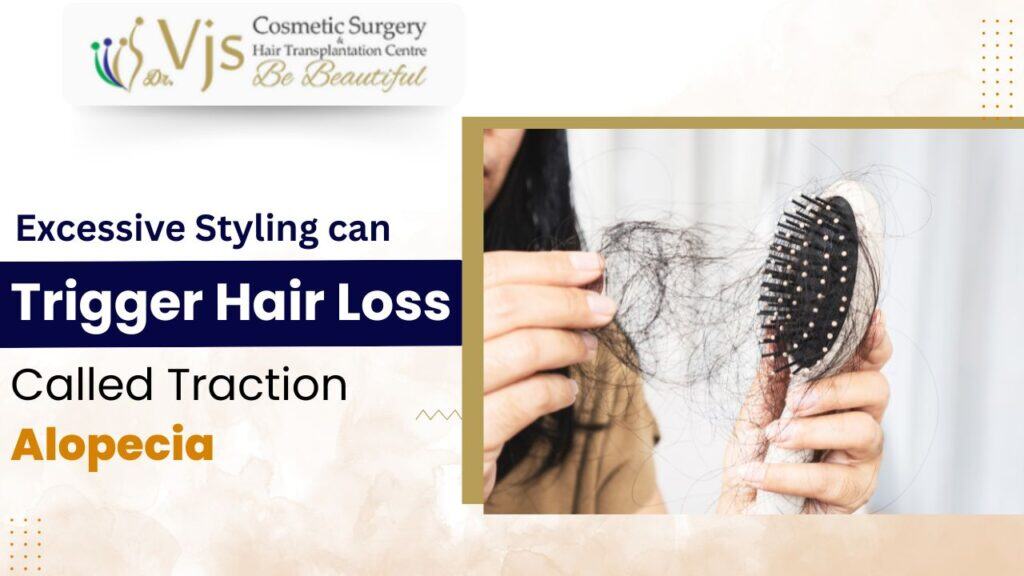
Are you an individual who likes tight buns, braids, ponytails, or extensions? However, these are doing more harm than good. These popular hairstyles can cause traction alopecia, a form of hair loss stemming from mechanical stress on the hair follicles. We’ll explain the effects, warning signs, and, most crucially, how VJ’s Clinics can assist you in treating and avoiding damage before it’s too late. What Is Traction Alopecia? This is a form of acquired hair damage (loss) that results from prolonged or repetitive tension or force on the scalp hair. It was discovered in 1907 in the subject of Greenland, who had experienced hair loss for an extended period, which was attributed to the wearing of a ponytail. What causes alopecia? Alopecia traction is caused by persistent or unvarying pulling on the hair, which damages the hair strand over time, some of the points that cause it. 1. Tight Hairstyles Frequent use of tight ponytail braids (which include cornrows or box braids) as well as deadlocks always leads to hair damage. 2. Hair Extensions, Weaves & Wigs Extensions, tightly braided weaves, sew-ins, and heavy wigs place additional stress on natural hair roots, increasing traction and risk of follicle injury. 3. Chemical Treatments & Heat Styling with high heat temperatures further brings hair fragility under tension. Why VJ’s Clinics Is a Trusted Partner How Scalp Can Rebound? Conclusion Even mild traction alopecia often goes unnoticed—most of us chalk it up to simple breakage. But with the information shared above, you’re now equipped to protect your hair before it’s too late. The most productive and immediate way to address this condition is by adjusting your styling habits. So, ease up on tight hairstyles and handle your hair gently daily. After all, healthy hair is the most stunning accessory anyone can wear. Reach out to the VJ’s Clinic for professional consultation.
How To Prevent Hair Loss
Hair loss is an ordinary condition that affects many people. It is natural to lose some hair periodically; immoderate hair loss can be discomfort. Knowing the cause and consulting the VJ’s Clinic to explore the preventive measures can help in handling and potentially reducing hair loss. Getting to Know Hair Loss A range of conditions can lead to hair loss, including genetic predisposition, hormonal fluctuations, inadequate nutrition, stress, and specific medical treatments. It is crucial to identify the fundamental cause to develop the most effective preventive plan. Hair Loss Prevention 1. A healthy diet, rich in vitamins and minerals, such as biotin and iron, can promote hair growth. Food options such as eggs, nuts, green vegetables, and fish are excellent choices for a healthy diet. 2. Gentle Hair Care: Avoid tight hairstyles that pull on the hair; using a soft brush and avoiding high-heat styling tools can help prevent hair damage. 3. Dealing with Stress: Chronic stress can cause hair loss. Practicing relaxation techniques, such as meditation, yoga, or deep breathing exercises, can assist reduce stress. 4. Routine Scalp Massaging: This can transform blood circulation to the hair follicles, helping hair growth and reducing hair loss. 4. Prevent Chemicals: Limiting the use of chemical treatments, such as perms, relaxers, and inordinate dyeing, can help prevent hair damage and loss. Benefits of Hair Loss Treatment. Hair loss can affect one’s overall well-being as well as confidence, but the right to overcome it is to get treatment, which can remarkably change the following list of the benefits of hair loss treatment. 1. Restored Confidence and Self-Esteem Regaining lost hair often leads to an enhancement of self-image and confidence. Many patients report feeling more comfortable in social and specialised settings after treatment. 2. Natural Hair Regrowth New treatments, such as PRP therapy and FUE hair transplants, encourage the natural regrowth of your hair, offering long-lasting, realistic results. 3. Slows or Stops Hair Loss Early treatment can slow down or even halt ongoing hair loss by targeting the root causes, whether hormonal, genetic, or environmental. 4. Customised methods Clinics like VJ’s Clinics offer personalised care plans based on your hair type, scalp health, and medical history, ensuring better outcomes. 6. Improved Scalp and Hair Health Hair loss treatments often include scalp care, vitamin therapy, and dietary guidance, which improve overall hair quality and strength. 7. Long-Term Cost Savings While treatments may seem like an investment, avoiding further hair loss early can reduce the need for more expensive methods in the future. Specialist care For individuals experiencing significant hair loss, consider consulting a specialist who can offer personalised guidance and support. Clinics like VJ’s Clinic provide a range of treatments, including hair transplants and PRP therapy, to address concerns about hair loss. Conclusion When some degree of hair loss is natural, starting a healthy lifestyle and hair care routine can help prevent extravagant hair loss. If you’re concerned about your hair health, consider consulting a professional to determine suitable treatment options.
Non-Surgical Hair Loss Options for Men: Evidence, Limits and Alternatives
Men can experience hair loss for many reasons, including androgenetic alopecia, telogen effluvium, alopecia areata, scalp disease and medical or medication-related causes. The first step is diagnosis, because non-surgical treatments are not interchangeable and no option works for every type of hair loss. Start with the main hair loss guide. Common non-surgical options Topical or prescription medicines: Treatments such as topical minoxidil or prescription medicines may be discussed for selected diagnoses. Benefits, side effects, contraindications and monitoring should be reviewed with a clinician. Do not start or stop prescription treatment solely from online advice. Low-level light therapy: LLLT has been studied for pattern hair loss, but evidence and devices vary. It should not be described as painless, the most effective treatment or a guaranteed way to regrow hair. PRP and GFC: Selected patients may discuss PRP therapy or GFC therapy. Protocols and evidence vary, and neither should be presented as a cure. Scalp micropigmentation: This is a cosmetic tattooing technique that creates the appearance of closely cropped hair or reduces scalp contrast. It does not create new hair follicles or stop ongoing hair loss. When surgery may be discussed If hair loss is stable, donor supply is adequate and the diagnosis is suitable, some patients may consider hair transplantation. Surgery does not stop future native hair loss, so long-term planning remains important. For clinician and team information, see About Dr. VJs. For an individual scalp assessment and treatment discussion, use the contact page.