
Excessive Styling can Trigger Hair Loss Called Traction Alopecia
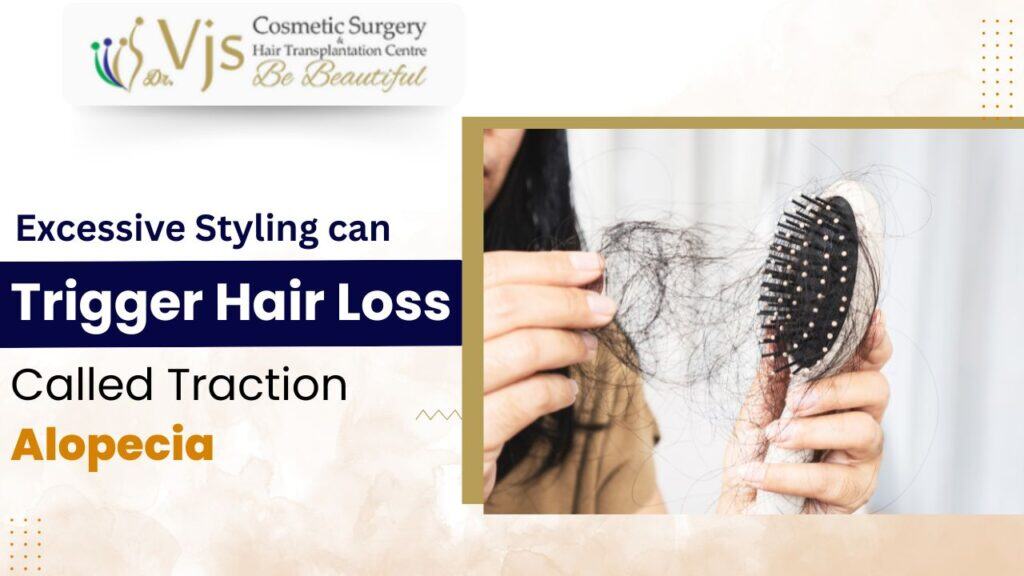

Are you an individual who likes tight buns, braids, ponytails, or extensions? However, these are doing more harm than good. These popular hairstyles can cause traction alopecia, a form of hair loss stemming from mechanical stress on the hair follicles. We’ll explain the effects, warning signs, and, most crucially, how VJ’s Clinics can assist you in treating and avoiding damage before it’s too late. What Is Traction Alopecia? This is a form of acquired hair damage (loss) that results from prolonged or repetitive tension or force on the scalp hair. It was discovered in 1907 in the subject of Greenland, who had experienced hair loss for an extended period, which was attributed to the wearing of a ponytail. What causes alopecia? Alopecia traction is caused by persistent or unvarying pulling on the hair, which damages the hair strand over time, some of the points that cause it. 1. Tight Hairstyles Frequent use of tight ponytail braids (which include cornrows or box braids) as well as deadlocks always leads to hair damage. 2. Hair Extensions, Weaves & Wigs Extensions, tightly braided weaves, sew-ins, and heavy wigs place additional stress on natural hair roots, increasing traction and risk of follicle injury. 3. Chemical Treatments & Heat Styling with high heat temperatures further brings hair fragility under tension. Why VJ’s Clinics Is a Trusted Partner How Scalp Can Rebound? Conclusion Even mild traction alopecia often goes unnoticed—most of us chalk it up to simple breakage. But with the information shared above, you’re now equipped to protect your hair before it’s too late. The most productive and immediate way to address this condition is by adjusting your styling habits. So, ease up on tight hairstyles and handle your hair gently daily. After all, healthy hair is the most stunning accessory anyone can wear. Reach out to the VJ’s Clinic for professional consultation.
Alopecia and Hair Loss: Types, Evaluation and Treatment Options

Hair loss is not a single diagnosis. “Alopecia” is a broad term that includes several conditions with different causes, patterns and treatment approaches. Before choosing medicines, injections, devices or surgery, it is important to identify which type of hair loss is present and whether the follicles are still capable of producing hair. Common categories of alopecia Androgenetic alopecia is pattern hair loss influenced by genetics and androgen sensitivity. It may affect men and women differently and usually progresses gradually. Alopecia areata, by contrast, is an autoimmune condition that can cause sharply defined patches of hair loss and may follow a very different course. Other forms of hair loss can result from inflammation, scarring, traction, illness or temporary shedding. The main hair loss guide provides a diagnosis-first overview, including when an examination or further testing may be useful. Treatment depends on the diagnosis There is no single treatment that is appropriate for every type of alopecia. Options that may be discussed for selected patients include clinician-directed medicines, treatment of an underlying scalp condition, low-level light devices, microneedling, platelet-rich plasma and surgical hair restoration. The quality of evidence and expected benefit differ between these approaches. PRP therapy is one procedure sometimes discussed for selected non-scarring hair-loss conditions, but it should not be described as a cure or guaranteed regrowth treatment. Likewise, low-level light therapy and microneedling may be considered in certain settings, but response varies and they are not interchangeable with medical diagnosis. When is hair transplantation relevant? Hair transplantation redistributes existing donor follicles; it does not create an unlimited new supply of hair and does not stop progression of untreated native hair loss. It is generally considered only when the diagnosis, donor area and pattern of loss make surgery appropriate. Active scarring or inflammatory conditions may require different management first. Medicines require individual advice Some hair-loss medicines are available by prescription or over the counter in certain regions, but suitability depends on factors such as age, sex, pregnancy potential, medical history and other medicines. Do not start, stop or change a prescribed treatment solely because of an online article; discuss risks, expected benefit and alternatives with an appropriate clinician. If shedding is sudden, patchy, associated with scalp redness, scaling or pain, or continues to worsen, arrange an individual assessment rather than trying several treatments at once. For consultation information, use the contact page.
How does hair get affected by smoking?
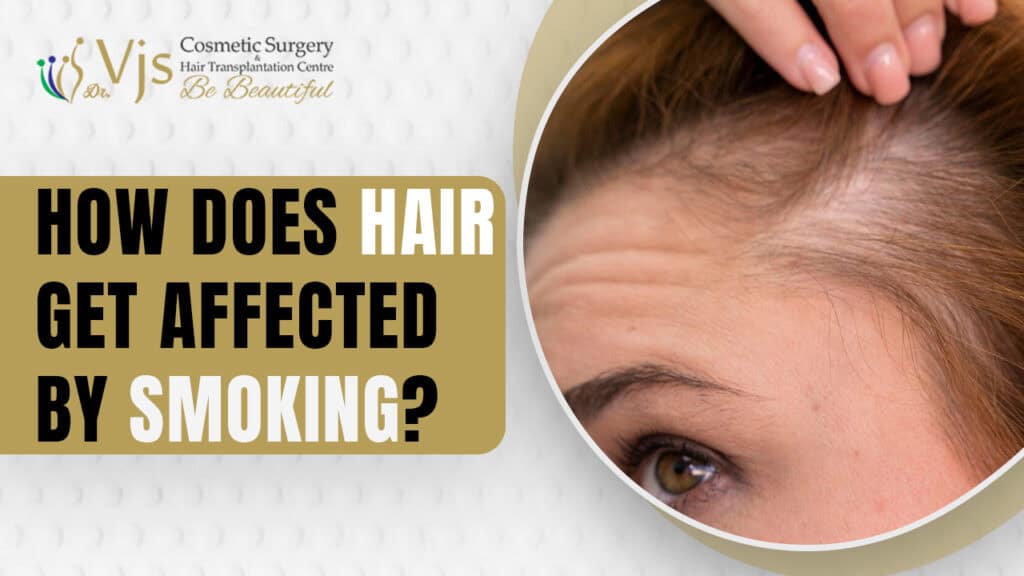
The connection between smoking and hair loss Hair health is essential for everyone’s appearance and confidence. Research has shown a strong link between hair loss and smoking, revealing that those who smoke at least 10 times a day are most likely to have developed androgenetic alopecia (AGA) with hair thinning and baldness. Men and women both experience AGA and male or female baldness. Hair loss and alopecia are becoming very popular nowadays. Understanding the causes and determining the right hair care promotes stronger hair. Role of smoking in hair health Understanding the role of smoking and how it affects the whole scalp is helpful to recognise its impact and to take steps to quit right away. Insufficient blood flow to hair follicles Nicotine does not let the blood flow to the scalp and deprives hair follicles without giving nutrients and oxygen. When this disruption takes place, it weakens the hair, the growth of hair slows down and the risk of hair thinning or baldness increases. Over time, nicotine contributes to hair and an overall unhealthy scalp. Disrupts hormonal balance The toxins present in cigarettes disrupt hormonal balance, leading to an increased DHT level, which is a key factor in AGA. Additionally, consistent smoking reduces collagen production, which weakens the scalp structure and further gives rise to hair loss and alopecia. Premature canities Smoking not only causes hair loss but also accelerates premature graying by damaging melanocyte cells, that are hair growth responsibles. Studies have shown that smokers are more likely to develop such problems as compared to nonsmokers due to the buildup of toxins in the scalp, contributing to pigmentation. Scalp infections Frequent smoking weakens the immune system, which ends up making the scalp more vulnerable to fungal infections and other issues that give rise to complications related to hair. Scalp and fungal infections lead to redness, itching and dandruff. These issues get more difficult to treat because of the poor blood flow to the scalp, which ultimately slows down the hair growth process and takes time to recover. Quitting smoking can help maintain hair health It’s not the end; hair health can be improved by quitting smoking. Once the person has stopped smoking, it improves the blood circulation to the scalp that allows hair follicles to expect oxygen and nutrition throughout that gets blocked when smoking. Let’s review some of the factors that are a cure for falling hair. Balanced diet A healthy diet plays a vital role in maintaining strong hair and a beautiful scalp. Many nutrients such as protein, biotin, iron, vitamins A, C and D, and omega-3 fatty acids are highly beneficial for preventing dryness and hair thinning. Intake of plenty of water also matters by increasing the scalp circulation and reducing the risk of further complications such as alloplastic hair loss. Gentle hair care Proper hair care is also essential for maintaining healthy hair growth. Excessive use of hair styling tools such as straighteners and curling irons increases breakage. Limiting the use of such tools and chemicals strengthens hair follicles. Apart from this, daily scalp massaging has also proven to be the best factor that promotes hair growth. Repair your hair with Dr VJ’s Clinic If you are noticing any symptoms like hair thinning, excessive shedding, or any other scalp issues, we offer the best treatments tailored to your needs. Our team of experts provide personal guidance on maintaining a healthy lifestyle, by starting with assessing the needs and evaluation of any underlying cause. Contact Dr VJ’s Clinic today for healthier and fuller hair scalp.