
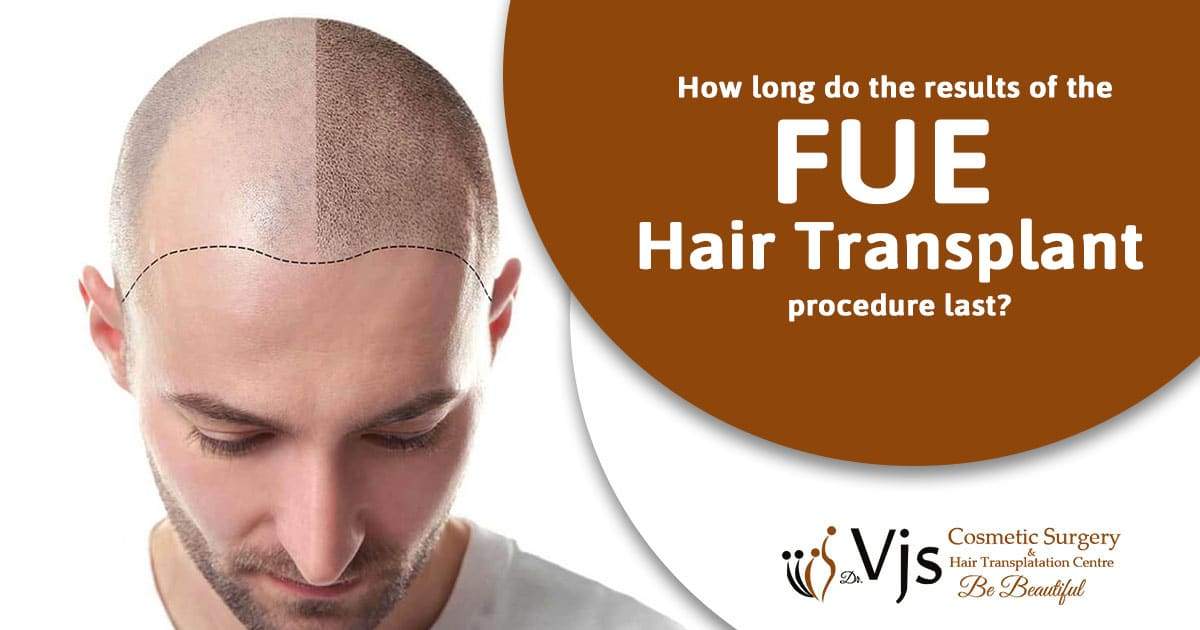

FUE hair transplantation moves selected follicular units from a donor area to areas of thinning. People often describe transplanted hair as long-lasting, but it is more accurate to separate the behaviour of transplanted follicles from the future course of the patient’s native hair.
Can transplanted follicles continue to grow?
Follicles are generally selected from donor areas that are relatively resistant to the pattern of androgenetic hair loss affecting the front or crown. Many transplanted follicles can therefore continue producing hair over time. This should not be interpreted as a guarantee that every graft will survive indefinitely or that the overall appearance will remain unchanged for life.
Why can the appearance change years later?
Native, non-transplanted hair can continue to thin as androgenetic alopecia progresses. Age, the original diagnosis, donor characteristics, future hair loss and medical factors can all influence how the scalp looks later. A hairline or density plan that ignores future loss may become less balanced even when transplanted follicles remain.
This is one reason donor supply should be treated as finite. An assessment for hair transplantation should consider both current loss and a realistic long-term pattern rather than trying to maximize graft use in a single session.
What does FUE involve?
In follicular unit extraction, individual follicular units are harvested from the donor area through small extraction sites and placed into planned recipient areas. FUE describes the harvesting method; it does not by itself guarantee density, graft survival, a scar-free scalp or a particular cosmetic outcome.
Learn more about FUE hair transplant planning and how it differs from other harvesting approaches.
When are results assessed?
Hair transplantation changes gradually. Temporary shedding of transplanted shafts can occur after surgery, followed by a period before visible new growth develops. Growth and maturation vary among patients, so a fixed month should not be presented as a guaranteed final-result date. Follow-up allows the clinical team to assess healing, growth and whether ongoing native-hair loss needs separate management.
What supports a durable, natural-looking plan?
Important factors include confirming the type of hair loss, evaluating donor density and hair calibre, designing a conservative distribution of grafts, considering future loss, and discussing what density is realistically achievable. Where non-surgical treatment is appropriate, it may also form part of a longer-term plan for native hair.
If you are considering FUE and want an individualized assessment of donor supply, hair-loss pattern and realistic expectations, contact VJ Clinics. Outcomes and longevity vary, so treatment decisions should be based on personal examination rather than lifetime-result promises.