
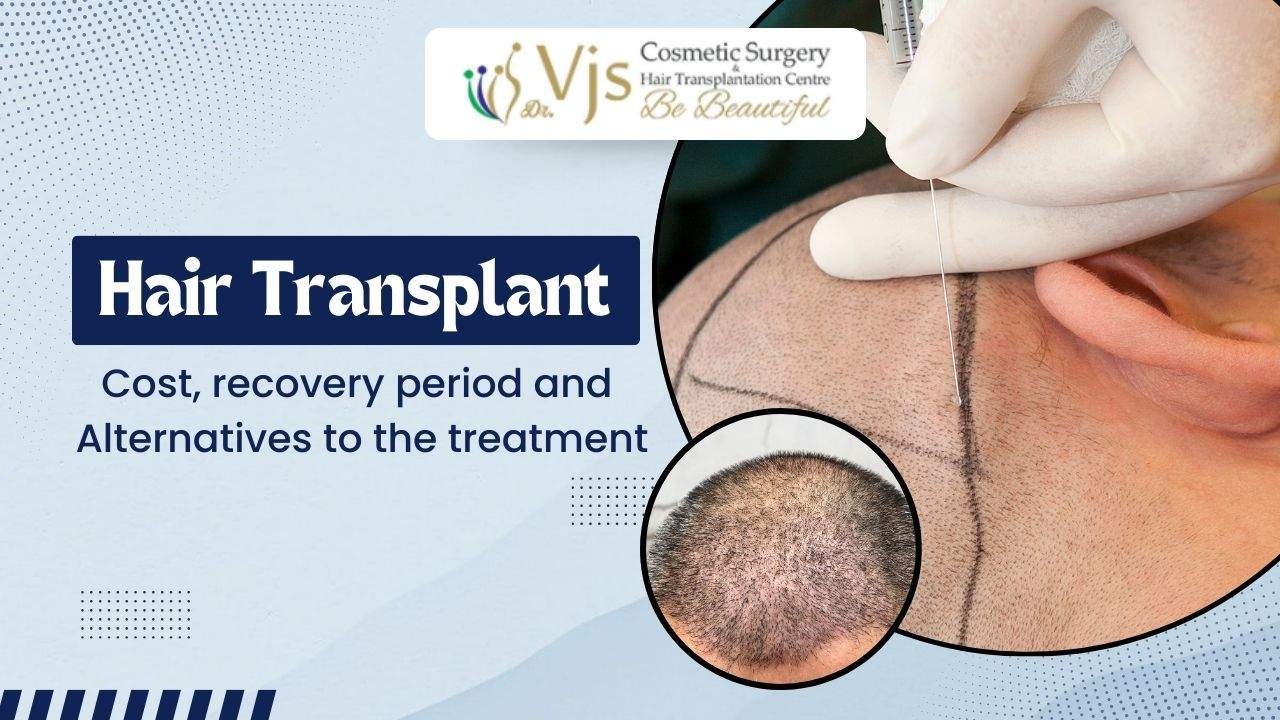

Hair transplantation can be an option for selected people with suitable donor hair, but it is not the only way to manage hair loss and it does not guarantee a particular density or lifelong appearance. A useful decision starts with identifying the cause and pattern of loss, then weighing medical treatment, observation, cosmetic camouflage and surgery according to individual goals and risks.
What affects the cost of a hair transplant?
There is no single price that applies to every patient. An estimate may change with the extent of the recipient area, donor availability, chosen technique, complexity of previous procedures, number of planned sessions, facility resources and follow-up needs. A lower or higher quote should be interpreted alongside the treatment plan rather than as proof of quality or outcome.
See the hair transplant guide for procedure details and the hair-transplant cost guide for factors that can influence an individual estimate.
What can recovery involve?
Early recovery can include temporary swelling, redness, crusting, tenderness, itching, altered sensation and shedding. Timing differs with the technique used, the size of the procedure and individual healing. Washing, sleeping position, exercise, work, headwear and other postoperative instructions should be tailored by the treating team.
Do not start, stop or change pain medicines, antibiotics, hair-loss medicines or other prescriptions based only on a website article. Medication advice should account for your health history, allergies and other medicines you take. Seek prompt medical advice for symptoms such as worsening pain, heavy bleeding, spreading redness, fever, pus or other concerns after surgery.
When might non-surgical treatment be considered?
Some people are not ready for surgery, do not have sufficient donor supply, have an uncertain diagnosis or prefer to try medical management first. The appropriate option depends on the type of hair loss.
Topical or oral medicines
Medicines such as minoxidil or finasteride may be discussed for certain patterns of hair loss, but suitability, formulation, potential adverse effects and reproductive considerations differ. Finasteride is not an appropriate universal treatment for “both genders,” and neither medicine should be presented as guaranteed to restore lost hair. A clinician can help determine whether a medicine is appropriate and how response should be monitored.
Light-based devices and other procedures
Low-level light therapy and other adjunctive treatments are marketed for hair loss, but expected benefit varies and evidence is not equivalent across devices or diagnoses. They should not be described as a replacement for proper evaluation or as a guaranteed way to retain or thicken hair.
Cosmetic and non-medical options
Hairstyling changes, fibres, scalp camouflage, wigs and hair systems can be useful for some people and do not require surgery. These choices may be especially relevant when the donor area is limited or when a person does not want medical or surgical treatment.
How to decide whether surgery belongs in the plan
Useful questions include: Is the diagnosis clear? Is hair loss still progressing? How strong is the donor reserve? What result is realistically possible with that donor supply? What risks or scars are relevant to the proposed technique? What might happen if additional hair loss occurs later? These questions are more useful than choosing treatment by a fixed graft package or promotional success rate.
For diagnosis-focused information, visit the hair-loss hub. If you want to discuss whether surgery or a non-surgical option fits your situation, contact VJ Clinics for an individual assessment.