
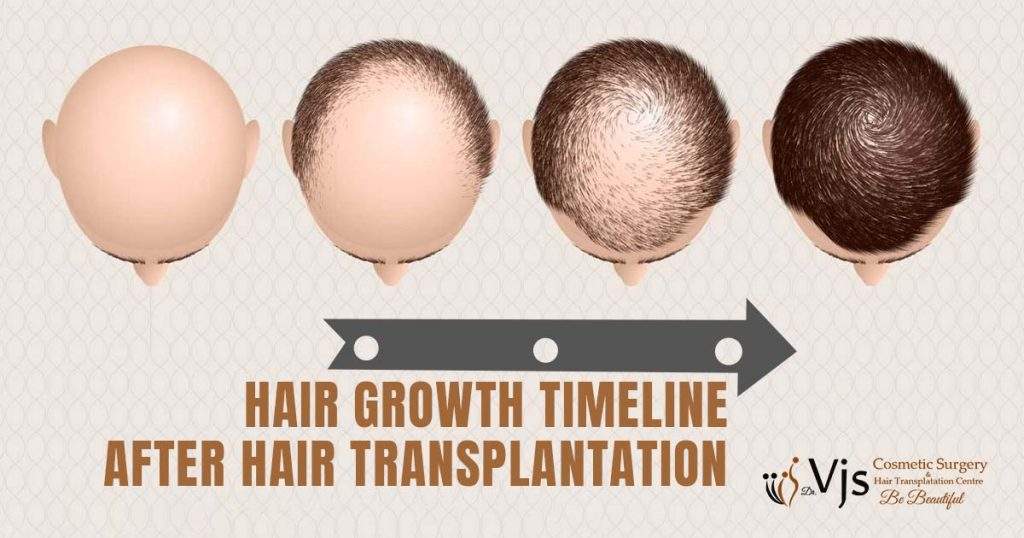

Hair transplant results develop gradually rather than all at once. The pace can vary with the technique used, donor quality, scalp condition, aftercare and individual hair-growth cycles. A timeline can therefore be useful as a general guide, but it should not be treated as a guarantee for every patient.
If you are considering surgery, start with a proper assessment of your pattern of hair loss, donor area and long-term plan. You can read more about the procedure on our hair transplant overview.
Immediately after the procedure
The transplanted area may look red or feel tender, and small crusts can form around grafts. Swelling can also occur in some people. Your clinic should give you specific instructions for washing, sleeping position, activity and scalp care. Do not scrub or pick at the treated area unless your surgical team has advised that it is safe to do so.
First few weeks: shedding can occur
It is common for some of the transplanted hair shafts to shed during the early weeks after surgery. This does not automatically mean that the grafts have failed. The follicles remain under the skin and may enter a resting phase before new growth begins.
However, severe pain, increasing redness, spreading swelling, pus, fever or other worsening symptoms should be discussed with your clinician rather than assumed to be part of normal recovery.
Around months 3 to 4: early regrowth may begin
Some patients start to notice fine new hairs in this period, while others may see little visible change yet. Early hairs can be thin, light or uneven. Temporary pimples or follicle irritation can occur, but persistent or painful lesions need medical review because infection and inflammation cannot be diagnosed reliably from appearance alone.
Around months 5 to 8: gradual improvement
More visible growth often develops during this phase. Hair calibre and coverage may continue to improve, although density can still look incomplete. The timing depends on the individual and on how many grafts survive and enter an active growth phase.
Around 9 to 12 months and beyond
Many patients see a more mature result during the later months of the first year, but some areas may take longer. Hair characteristics can continue to change beyond 12 months. Existing non-transplanted hair can also continue to thin if the underlying hair-loss condition progresses.
Why timelines differ
Age, diagnosis, donor density, graft handling, smoking, scalp health, aftercare and ongoing medical conditions can all influence recovery and visible growth. That is why fixed promises about density or a specific month of final growth are not medically appropriate.
If your growth pattern seems delayed or you are worried about healing, arrange a review rather than comparing your progress with someone else’s photos. For an individual assessment or follow-up, use the VJ Clinics contact page.