
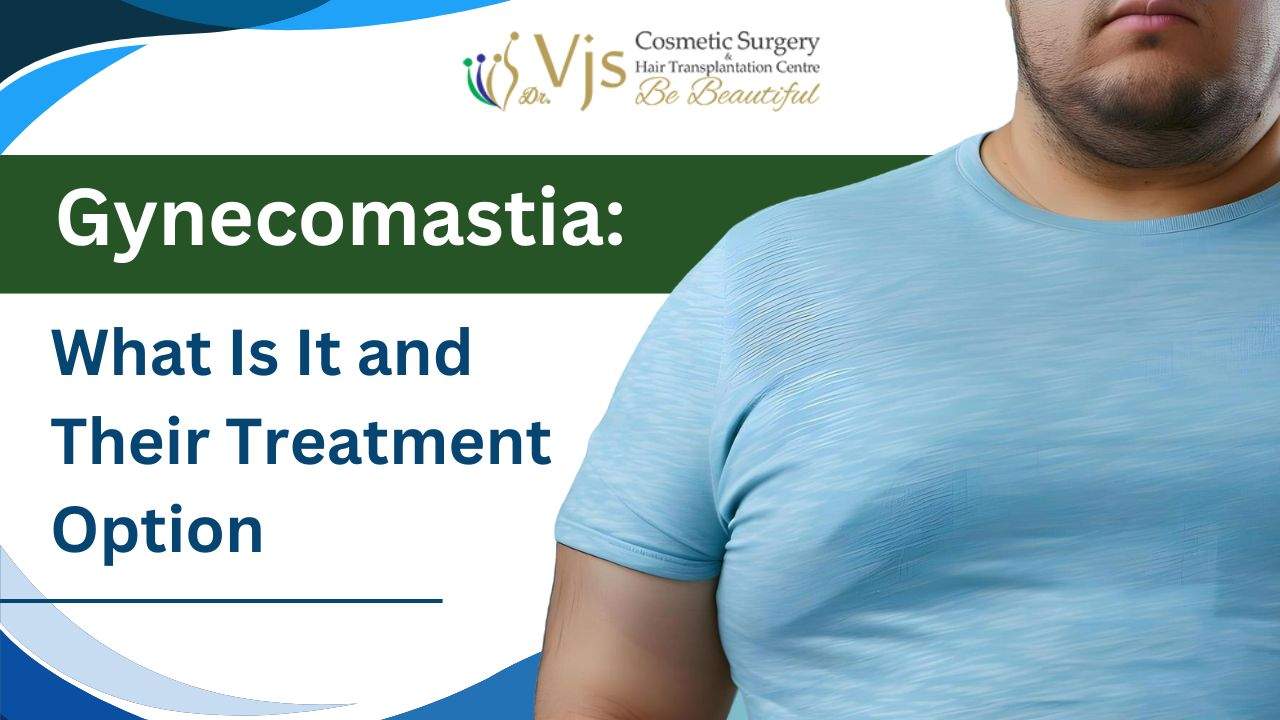

Gynecomastia is enlargement of glandular breast tissue in males. It can occur during puberty, adulthood or later life, and it is different from simply having more fat on the chest. Some people have both glandular enlargement and excess fat, which is why a proper clinical assessment matters before deciding on treatment.
What can cause gynecomastia?
Gynecomastia can develop when the balance between androgen and estrogen activity affecting breast tissue changes. This does not mean that every person with gynecomastia has an abnormal hormone test. Pubertal changes, ageing, certain medicines, liver or kidney disease, thyroid problems and some other medical conditions may contribute in selected cases.
A clinician will usually begin with the history and physical examination. Blood tests or imaging are considered when the examination, symptoms, age or medical history suggest that further evaluation is appropriate rather than being automatically required for everyone.
Chest fat and glandular tissue are not the same
Chest fullness related mainly to body fat is sometimes called pseudogynecomastia. True gynecomastia involves breast-gland tissue. A person cannot reliably diagnose the difference from an online self-test alone, because tissue texture varies and other conditions can occasionally mimic gynecomastia.
For an overview of diagnosis and surgical planning, see the main gynecomastia treatment guide.
When should chest changes be assessed?
Medical review is particularly important when enlargement is new or rapidly changing, clearly one-sided, associated with a hard or fixed lump, nipple discharge, skin changes, significant pain, a testicular lump or other unexplained symptoms. These findings do not automatically indicate a serious condition, but they should not be assumed to be routine gynecomastia without assessment.
Treatment depends on the cause and the patient’s goals
Not every person with gynecomastia needs surgery. In adolescents, some cases improve over time. If a medicine or medical condition may be contributing, management focuses on reviewing that cause with the appropriate clinician. Patients should not stop prescribed medicines on their own because of information found online.
Surgery may be considered when glandular enlargement persists and the person wants treatment after informed discussion. Depending on the tissue present, the plan may involve gland excision, liposuction, or a combination. The aim is contour improvement rather than a guaranteed flat or perfectly symmetrical chest.
Risks and recovery should be part of the decision
Potential risks include bleeding or haematoma, infection, fluid collection, scarring, altered nipple or skin sensation, asymmetry, contour irregularity, delayed healing and the possibility of revision surgery. Recovery time varies with the procedure performed, healing response, work demands and the surgeon’s postoperative plan.
Questions to discuss before surgery
- Is the fullness mainly glandular tissue, fat, or both?
- Does my history suggest that medicines or another health condition need review?
- Would liposuction, gland excision, or a combined approach be considered in my case?
- Where are scars likely to be placed and how can they change over time?
- What complications are possible and how are they managed?
- What activity restrictions and follow-up will apply to my situation?
If you want an individualized assessment, use the VJ Clinics contact page to discuss your symptoms, goals and relevant medical history with the clinical team.