
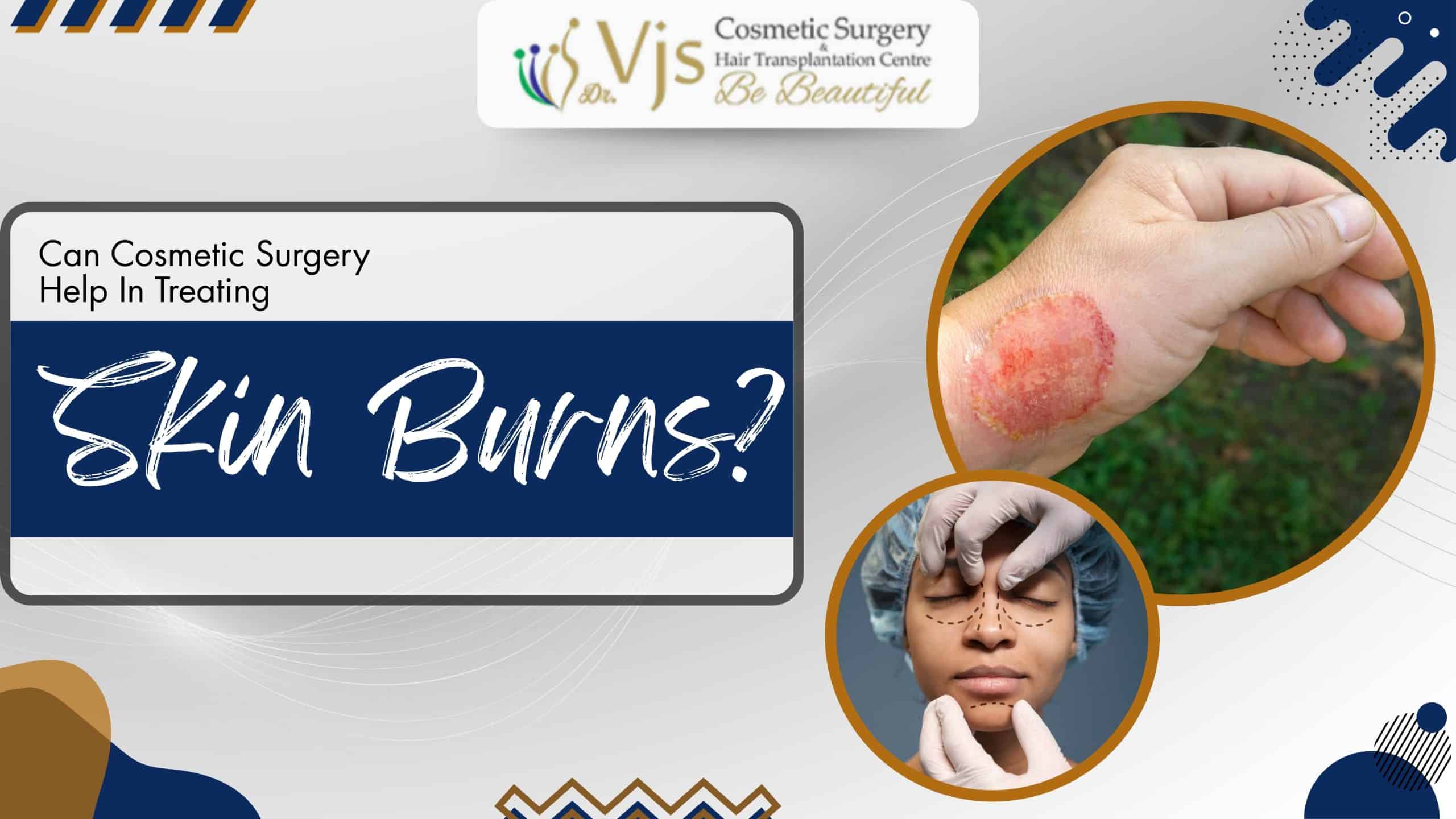

Burn treatment is primarily reconstructive rather than cosmetic. Surgery may be used during acute wound care or later, after healing, when scars restrict movement, cause symptoms or create a functional problem. The need for surgery depends on burn depth, location, wound healing, infection risk, joint movement, scar behaviour and the patient’s general health. Not every burn requires an operation.
Skin grafting
A skin graft uses skin taken from another area of the patient’s body to cover a prepared wound that cannot close adequately on its own. Grafts can help provide wound coverage, but they can also have complications such as partial or complete graft loss, infection, colour or texture differences, scarring and problems at the donor site. The decision to graft depends on the condition of the wound and whether an adequate blood supply is present.
Flap reconstruction
Some deeper defects need tissue with its own blood supply rather than a skin graft. A local, regional or free flap may include skin, fat, fascia or muscle, depending on what must be reconstructed. Flap surgery is more complex and may be considered when deeper structures are exposed or when durable coverage is needed.
Contracture release
Burn scars can tighten over time and limit movement, particularly near joints, the neck, hands or other mobile areas. Contracture release may involve rearranging local tissue, techniques such as Z-plasty, skin grafting or flap reconstruction. Physiotherapy, splinting and scar-management strategies may also be part of treatment because surgery alone does not guarantee normal movement or prevent recurrence.
Scar revision has limits
Scar revision may make a mature scar less tight, less prominent or better aligned with surrounding skin, but surgery cannot erase a scar completely. Outcomes vary with the original injury, scar type, skin characteristics, location and healing response. Some patients may need staged treatment rather than a single procedure.
When specialist assessment matters
Active burns, wounds that are not healing, signs of infection, exposed structures or scars that restrict function should be assessed by an appropriate burn or reconstructive team. Treatment planning may involve surgeons, wound-care clinicians, physiotherapists and occupational therapists depending on the problem.
Anyone considering reconstructive treatment should ask what functional problem the procedure is intended to address, what alternatives exist, what scars or donor-site issues may result, and whether more than one stage could be needed. For a clinic assessment, use the VJ Clinics contact page.