
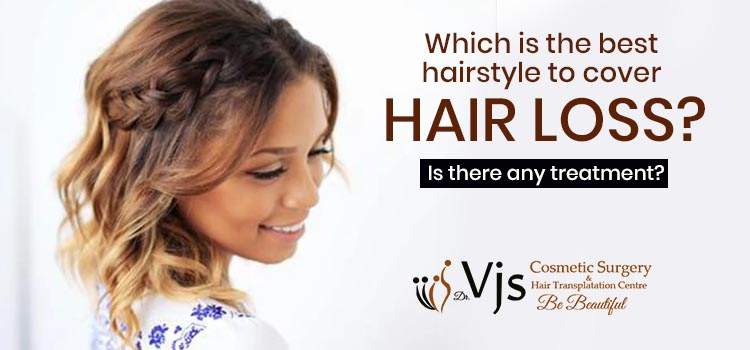

A hairstyle can change how thinning areas look, but it does not treat the underlying cause of hair loss. The most useful style depends on where the thinning occurs, hair length and texture, and how much density remains. Some people prefer shorter or textured cuts, while others use changes in parting or styling to reduce the contrast between thinner and denser areas.

Can an undercut conceal thinning hair?
An undercut may make some patterns of thinning less noticeable because the shorter sides can create contrast with hair left longer on top. It is not a universal solution, however. Receding temples, diffuse thinning, crown loss and patchy hair loss behave differently, so a style that works for one pattern may highlight another.
Styling is different from treating hair loss
Progressive or sudden hair loss deserves evaluation rather than assuming that one medicine or procedure is appropriate. Hair shedding and thinning can be associated with androgenetic alopecia, telogen effluvium, nutritional or endocrine factors, scalp disease, traction and other causes. A clinician may use the history, scalp examination and, when indicated, additional testing to distinguish among them.
Our hair-loss information explains why identifying the pattern and likely cause matters before choosing treatment.
Are medicines always required?
No. Treatment depends on the diagnosis, medical history, age, pregnancy considerations where relevant, other medicines and individual goals. Some evidence-based treatments can help selected patients, but they also have limitations and potential adverse effects. Do not start, stop or change a medicine solely on the basis of general online advice; discuss suitable options with a qualified clinician.
Where does hair transplantation fit?
A hair transplant is a surgical option for selected patients with suitable donor hair and an appropriate pattern of hair loss. It is not the only treatment for hair loss and it does not prevent untreated native hair from thinning in the future. Donor supply is finite, so long-term planning is especially important in younger patients or people with ongoing loss.
If surgery is being considered, review the hair transplant assessment and planning process, including donor evaluation and realistic density expectations.
When should you seek an assessment?
Consider a professional evaluation if hair loss is rapid, patchy, associated with scalp symptoms, follows an illness or major physiological stress, or continues to progress. An assessment can also help when cosmetic styling no longer meets your needs and you want to understand non-surgical and surgical options.
For an individualized assessment, contact VJ Clinics. The aim should be to understand the cause of hair loss first and then discuss options that fit your clinical situation and expectations.