
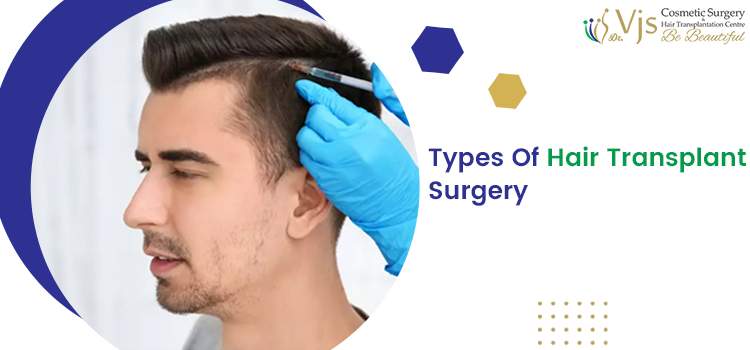

Hair transplantation can be useful for selected people with pattern hair loss, but it is not a universal or guaranteed solution. The procedure redistributes existing follicles from a donor area to areas of thinning. It does not create new follicles, stop every form of hair loss, or guarantee a particular density or appearance.
Start with the diagnosis
Gradual androgenetic hair loss is different from sudden shedding, patchy alopecia, scarring conditions, scalp inflammation or hair loss related to illness, medicines or nutritional deficiency. Before surgery is considered, the pattern, duration, scalp findings, medical history and likely cause should be reviewed. The Hair Loss guide explains why treatment should follow diagnosis rather than assumptions.
Who may be considered for transplantation?
Suitability depends on the quality and size of the donor area, the expected future pattern of hair loss, scalp health, hair characteristics, previous procedures and individual goals. A person with active or unexplained hair loss may need further evaluation or non-surgical management before transplantation is discussed.
FUE and FUT are different harvesting approaches
FUE removes follicular units individually from the donor region. It can leave many small scars and may not be appropriate for every donor pattern or graft requirement. FUT removes a strip of donor scalp that is then divided into follicular-unit grafts; it generally leaves a linear donor scar. Neither technique is scar-free, and neither is automatically superior.
Technique selection should consider donor preservation, hairstyle preferences, previous surgery, graft needs and the possibility that additional treatment may be required later if native hair continues to thin.
What results cannot be promised
Hair transplantation cannot guarantee a specific graft survival rate, a permanent cosmetic appearance, complete coverage, pain-free treatment or the absence of complications. Transplanted follicles may retain donor characteristics, but surrounding native hair can continue to thin over time. Long-term planning is therefore important, particularly in younger patients or those with active progression.
Risks and recovery
Possible complications include bleeding, infection, swelling, temporary shedding, visible scarring, altered sensation, poor or uneven growth, donor depletion and dissatisfaction with hairline design or density. Recovery time and visible growth vary between individuals, so fixed timelines should not be treated as promises.
For a broader surgical overview, see the Hair Transplant guide. If you want an individual assessment of diagnosis, donor reserve and treatment options, use the Contact page.