
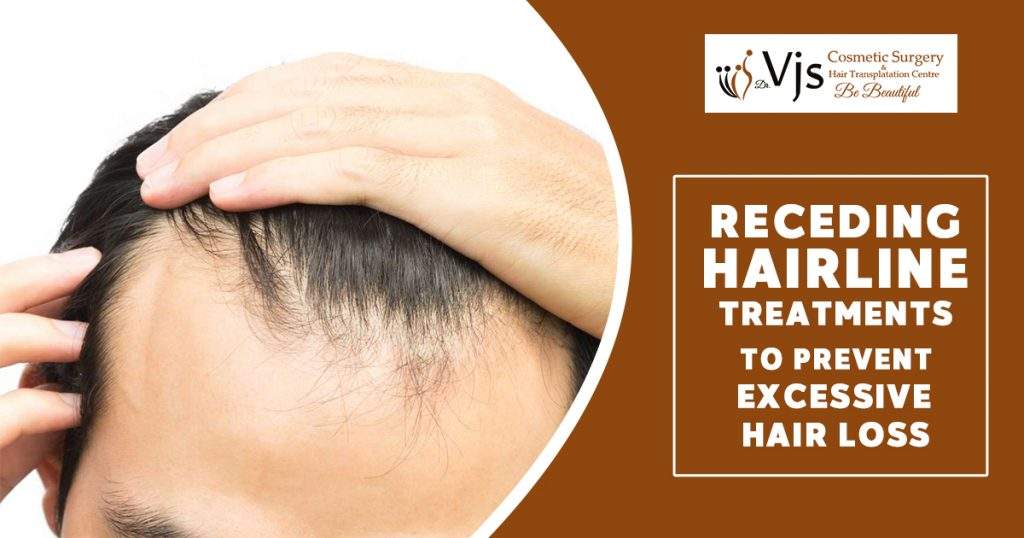

A receding hairline is not always a sign that someone needs surgery. Hairline change can develop gradually with androgenetic hair loss, but shedding, inflammation, nutritional problems, recent illness and other scalp conditions may also affect density. The useful first step is to identify the pattern and likely cause rather than choosing a treatment from appearance alone.
When a changing hairline deserves assessment
Some people notice slow recession at the temples over several years, while others experience sudden shedding or patchy loss. A clinician may look at the distribution of thinning, scalp condition, family history, recent health changes and medicines before discussing treatment. Rapid loss, scalp pain, marked redness, scarring or sharply defined patches can need a different evaluation from typical pattern hair loss.
Hair care can support the scalp, but it cannot reverse every cause
Gentle hair care may reduce breakage and irritation, but oils, shampoos and “natural” products should not be presented as treatments that can restore a receding hairline. Stress management can be useful for general wellbeing and may matter in some shedding disorders, yet stress is not the sole cause of most progressive temple recession.
Medical and surgical options are different
Treatment depends on the diagnosis. Some forms of hair loss may be managed medically, while a hair transplant may be considered for selected people with suitable donor hair and a reasonably predictable pattern of loss. Surgery does not stop future thinning in untreated native hair, so long-term planning is important.
Where transplantation is being considered, the discussion should include donor capacity, hair calibre, likely future recession, scarring, recovery, the possibility of uneven growth and whether more than one procedure could be needed over time. FUE and FUT differ in the way donor follicles are harvested; neither approach is scar-free or guaranteed to produce a particular density.
What to ask before deciding on treatment
Ask what diagnosis is being treated, whether non-surgical options are appropriate, who will perform each part of a procedure, how donor hair will be conserved and what limitations apply in your case. Bring a complete list of prescription medicines, over-the-counter products and supplements, and do not stop prescribed treatment unless the relevant clinician advises you to do so.
A receding hairline is best approached as a diagnosis and planning question, not as a race to “save” the hairline. Individual assessment helps separate conditions that may respond to medical care from situations where surgery could be reasonable.