
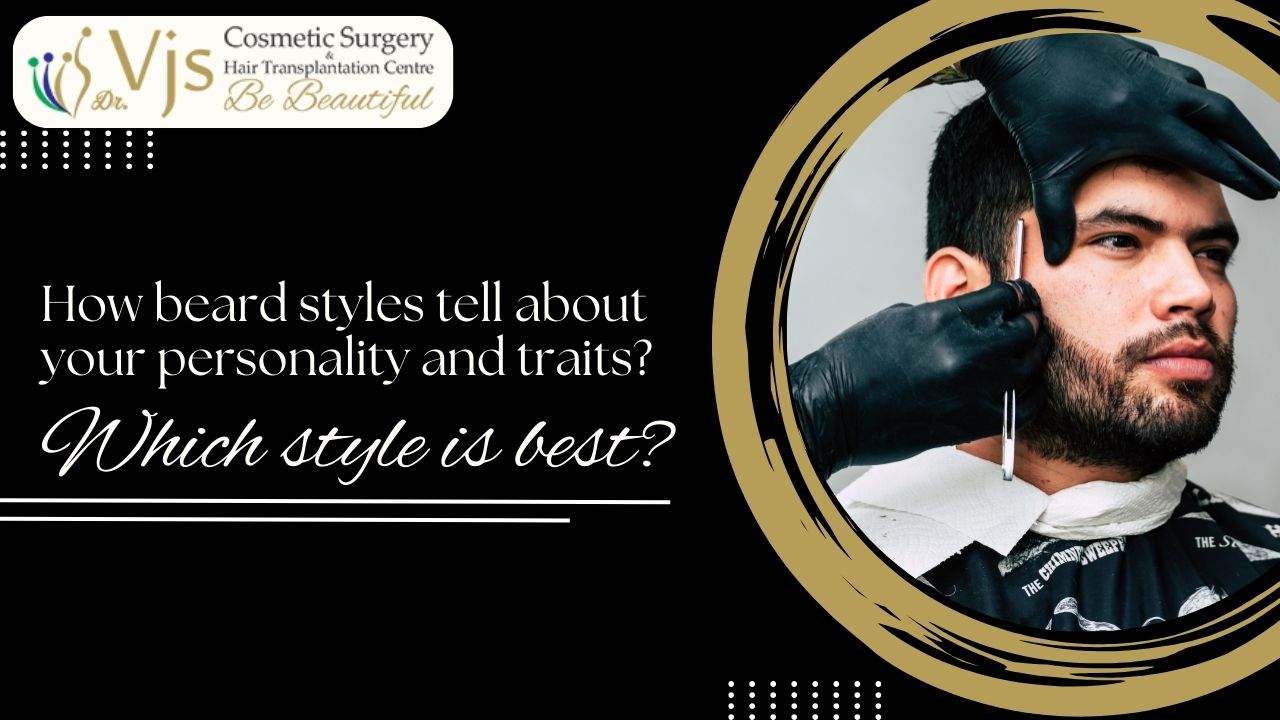

Beard density and pattern vary widely between individuals. A patchy or sparse beard is often a normal genetic trait, but in some cases it can be related to scarring, skin disease, alopecia areata, hormonal factors or other medical issues. A cosmetic procedure should not be the automatic first step.
Can beard style reveal personality?
There is no reliable medical evidence that stubble, a moustache, goatee, sideburns or a clean-shaven look can define someone’s personality or character. Beard style is a personal grooming choice and is influenced by hair density, culture, preference and maintenance.
Why does facial hair grow unevenly?
Genetics and age are common reasons for differences in beard coverage. Some people naturally have lower density on the cheeks or connecting areas. Sudden new patches of hair loss, redness, scaling, scarring, pain or other skin changes deserve assessment because they may point to a condition that should be treated rather than concealed.
Can grooming products make a beard grow?
Regular cleansing and skin care can improve comfort and appearance, but exfoliation or grooming alone cannot create new follicles. Be cautious with products that promise guaranteed beard growth. Medicines or topical treatments should not be started solely from online advice because suitability and side effects differ between people.
When can beard transplantation be considered?
Beard transplantation may be an option for selected adults who want greater facial-hair density and have a suitable donor area. Planning should account for hair direction, angle, density, facial proportions, existing beard pattern and the possibility of visible donor or recipient-site scarring. The number of grafts and final density cannot be guaranteed in advance.
Important limitations
Transplanted follicles are redistributed from a donor area; the procedure does not create an unlimited supply of hair. Temporary shedding, swelling, redness, folliculitis, uneven growth, scarring or the need for further treatment can occur. A consultation should also consider whether the pattern is stable and whether a medical cause of facial-hair loss needs attention first.
For broader information about donor planning and surgical hair restoration, see our Hair Transplant guide. To discuss whether facial-hair restoration is appropriate for your goals, use the Contact Us page.