
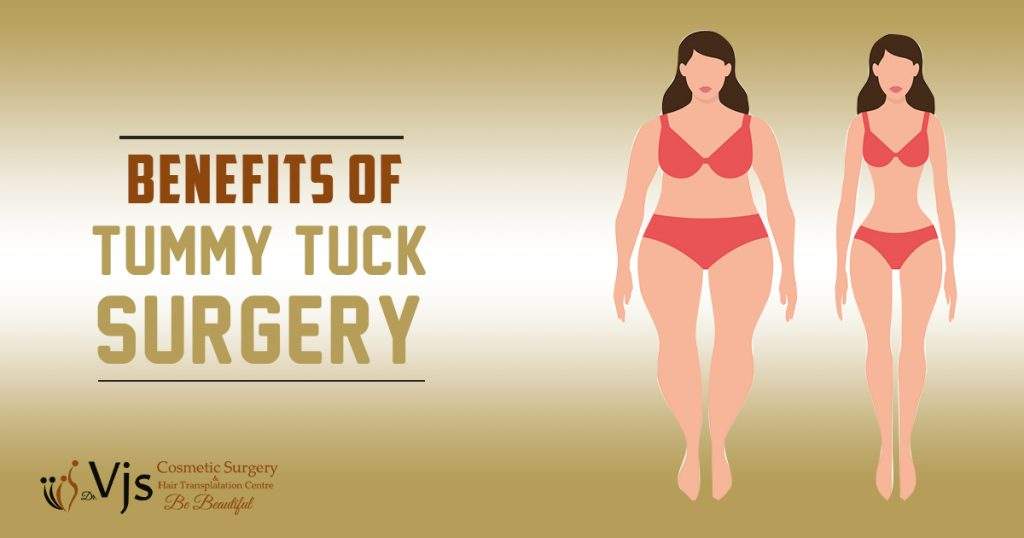

Abdominoplasty, commonly called a tummy tuck, is a body-contouring operation that may remove selected excess abdominal skin and fat and, when appropriate, tighten or repair parts of the abdominal wall. It is usually considered after significant weight change, pregnancy-related abdominal stretching, or when loose skin and tissue remain despite stable weight.
The operation is sometimes described online as having broad “medical benefits.” That wording can be misleading. A tummy tuck is not a general treatment for back pain, urinary incontinence, hernias or obesity, and it should not be presented as a substitute for evaluation by the appropriate clinician.
What can abdominoplasty reasonably address?
In suitable patients, abdominoplasty may improve excess lower-abdominal skin, selected fat deposits and contour problems associated with abdominal-wall laxity. The exact operation can differ substantially depending on skin excess, scar location, previous surgery, muscle separation, body proportions and the patient’s priorities.
It is not a weight-loss procedure, and it cannot guarantee a flat abdomen, a particular dress size, permanent contour, or a specific cosmetic result.
Can a tummy tuck treat back pain?
Back pain has many possible causes, including spine, muscle, joint, posture, activity and neurological problems. Some patients may report changes in comfort or posture after abdominal-wall surgery, but abdominoplasty should not be promised as a treatment for back or spinal disease. Persistent or significant back pain deserves appropriate medical assessment rather than assuming abdominal surgery will correct it.
What about urinary incontinence?
Stress urinary incontinence can occur after pregnancy and childbirth, but it is a separate condition that may require pelvic-floor assessment, physiotherapy, lifestyle measures, medication in selected cases, or urogynaecological treatment. A standard tummy tuck does not reliably treat urinary incontinence, and it should not be described as a routine cure for bladder leakage.
Does abdominoplasty repair hernias?
A true abdominal-wall hernia is different from loose skin or rectus diastasis. If a hernia is suspected, the patient may need surgical evaluation and sometimes imaging. Hernia repair can occasionally be combined with abdominal-contouring surgery in selected circumstances, but that decision depends on the type and size of the hernia, symptoms, previous surgery and the expertise required. Abdominoplasty alone should not be assumed to correct every hernia.
Can it improve exercise comfort?
Loose skin or abdominal-wall laxity can be uncomfortable during activity for some people, but exercise tolerance is affected by many factors. Surgery may change contour or tissue movement, yet recovery itself temporarily restricts activity. Return to walking, lifting, gym activity and higher-intensity exercise should be gradual and based on the treating team’s advice.
What risks need to be considered?
Potential complications include bleeding, infection, seroma, wound-healing problems, scarring, altered sensation, contour irregularity, asymmetry, skin loss, blood clots, anaesthesia complications and the possibility of revision surgery. Risk varies with the extent of surgery, smoking or nicotine exposure, medical conditions, body weight, previous scars and whether procedures are combined.
How should recovery be planned?
Recovery is individual. Patients should receive written guidance on wound care, compression garments if prescribed, movement, bathing, driving, work, exercise and warning signs. Medicines should be taken only as directed by the treating clinicians. Do not stop or restart prescription medicines based solely on general internet advice.
It is also sensible to plan practical help at home, especially when lifting, childcare or physically demanding work is involved. The timeline for returning to normal activity cannot be guaranteed in advance.
Questions to discuss before deciding
- What specific anatomical issue would the operation address?
- Is there muscle separation, a suspected hernia, or another condition that needs separate evaluation?
- What scar length and position are expected?
- What complications are particularly relevant to my health and surgical plan?
- Would future pregnancy or major weight change affect the result?
- What follow-up is available if healing is delayed or revision is considered?
For an individualized assessment and current clinic details, visit the VJ Clinics contact page. The decision to undergo abdominoplasty should be based on examination, realistic goals and a clear discussion of risks—not on promises of unrelated medical benefits.