
Bariatric Surgery in Vizag
Bariatric Surgery Is a Medical Decision, Not a Quick Weight-Loss Fix
Bariatric surgery may be considered for some people living with obesity when non-surgical measures have not provided adequate health improvement and the expected benefits justify the surgical risks. Suitability cannot be decided from weight alone.
An assessment should review BMI together with obesity-related conditions, previous weight-management efforts, nutrition, medicines, smoking or tobacco use, mental health, anaesthetic risk and the person’s ability to follow long-term dietary and medical follow-up. The appropriate procedure, or whether surgery is appropriate at all, depends on that individual evaluation.
Bariatric surgery changes the digestive system to support weight management and metabolic health. Depending on the operation, it may reduce stomach capacity, alter appetite-related signals and change how food travels through the digestive tract.
It is not a guarantee against future weight gain and it is not appropriate for everyone. Long-term nutrition, physical activity, prescribed supplements, medical monitoring and follow-up remain important after surgery. A consultation should establish whether surgery, continued non-surgical care or another approach is appropriate for the individual.
How Your Eligibility For Bariatric Surgery Is Evaluated
At Dr. VJ’s Cosmetic Surgery and Hair Transplantation Center, we have a specialized team with precise knowledge of the basic requirements for undergoing bariatric surgery.
1 Your higher Body Mass Index can be the major reason!
BMI can be one part of the assessment, but a number on its own should not be treated as an automatic indication for surgery. Current bariatric guidance also considers obesity-related disease, previous treatment, overall health and the balance of expected benefits and risks.
Eligibility thresholds and the operation considered can differ by clinical guideline and individual circumstances. The treating team should explain which criteria apply, rather than promising surgery from an online BMI category.
2 Your medical evaluation and psychological screening also matter!
Pre-operative assessment commonly reviews medical history, obesity-related conditions, previous weight-management treatment, nutrition, mental health where relevant, and anaesthetic or surgical risk. These findings help identify issues that should be treated or stabilised before an operation and whether the person can safely follow long-term aftercare.
Having diabetes, hypertension or joint symptoms does not by itself make someone automatically eligible. The decision should be individualized and made with the clinical team after informed discussion of alternatives, risks and follow-up requirements.
Say Hello To Life: Understand Your Bariatric Surgery Options!
Different bariatric operations change food intake and, for some procedures, nutrient absorption in different ways. No single operation is automatically the “best” choice. Procedure selection should consider medical history, reflux, diabetes and other metabolic conditions, nutritional risk, previous abdominal surgery, long-term follow-up requirements and the risks specific to each operation.
Ask the treating surgical team why a particular option is being considered, what alternatives exist, and what monitoring and supplementation may be required afterwards.
1 Sleeve Gastrectomy (Turning your stomach into a banana-like shape)
To balance your weight precisely, removing most of your stomach is considered in this procedure, helping you lose weight gradually.
- The only target organ in this procedure is the stomach, which leaves behind a banana-like shape.
- Thoroughly removing the specific part of your stomach helps reduce the production of a particular hormone called ghrelin, resulting in reduced hunger.
2 Roux-en-Y gastric bypass (includes stomach division)
Instead of removing the specific part of your stomach, this procedure includes the division of the upper part of your stomach and joining it with the cut section of the small intestine.
- The connected part of the stomach section with the small intestine allows food to bypass the stomach and go directly into the small intestine.
- The remaining part of the stomach, which is larger in portion, is not removed; in fact, it stays in its place and produces digestive juices.
- Most importantly, this procedure thoroughly helps in treating specific health conditions such as type 2 diabetes, sleep apnea and high cholesterol.
3 Biliopancreatic diversion with duodenal switch (Connected with sleeve gastrectomy)
Biliopancreatic diversion with duodenal switch combines a sleeve-type stomach reduction with a substantial rerouting of the small intestine. It can produce major metabolic and weight effects, but it also carries important nutritional and surgical considerations.
Because absorption of nutrients is reduced, lifelong supplementation and structured laboratory monitoring can be especially important. The operation is not suitable for every patient; its potential benefits should be weighed against risks such as nutritional deficiencies and other surgical complications during specialist assessment.
Ready For Transformation? What Can Bariatric Surgery Do For You?
For appropriately selected patients, bariatric surgery can support substantial weight reduction and may improve some obesity-related conditions. The degree of improvement varies, and conditions such as diabetes, high blood pressure, sleep apnoea, reflux or joint symptoms require their own ongoing medical review.
Surgery also has risks. These vary by procedure and can include bleeding, infection, blood clots, leaks, digestive symptoms, gallstones, nutritional deficiencies and the possibility of additional treatment. Long-term results depend on the operation, starting health, nutrition, activity, follow-up and individual biology; no outcome should be guaranteed.
Your Weight Losing Journey Deserves Our Experienced Experts!
Safe bariatric care requires more than performing an operation. Assessment should address whether surgery is appropriate, which procedure fits the person’s health profile, how risks will be reduced, and how nutrition and medical follow-up will be managed afterwards.
Minimally invasive techniques may be used when clinically appropriate, but they do not make surgery painless or risk-free. Before proceeding, patients should understand the planned operation, alternatives, expected recovery, possible complications, nutritional requirements and how to obtain help if concerning symptoms develop.
RELATED QUESTIONS
Frequently Asked Questions (FAQs)
Which health conditions can be eliminated after undergoing bariatric surgery?
Bariatric surgery may improve some obesity-related conditions in appropriately selected patients, but it should not be described as eliminating them. Blood pressure, diabetes, lipid levels, sleep apnoea, reflux and joint symptoms can respond differently, and medicines should only be changed by the clinician managing that condition.
Is the cost of bariatric surgery in Vizag affordable or not?
The total cost of bariatric care varies with the operation, pre-operative investigations, anaesthesia, hospital care, medicines, follow-up and whether additional treatment is needed. A reliable estimate should be provided only after clinical assessment and confirmation of what the quoted package includes; this page does not promise a fixed universal price.
How can I prepare myself before the bariatric surgical procedure?
Preparation is individualized. The surgical team may review nutrition, smoking or tobacco use, alcohol, current medicines and supplements, blood tests, anaesthetic risk and other health conditions. Do not stop prescription medicines or make extreme dietary changes on your own; follow the instructions given by the clinicians responsible for your care.
Is it possible to live life normally after sleeve gastrectomy?
Many people return to everyday activities after recovery, but adjustment after sleeve gastrectomy is individual. Eating patterns, hydration, vitamin or mineral supplementation and follow-up may need long-term attention. Energy levels and health improvements vary, so recovery should be judged against the person’s own clinical progress rather than a promised result.
After how much time can I notice weight changes after sleeve gastrectomy?
Weight change after bariatric surgery is gradual and varies substantially between individuals and procedures. Follow-up focuses not only on weight but also nutrition, hydration, symptoms, laboratory monitoring and management of obesity-related conditions. Your treating team can explain what milestones are reasonable for your specific operation and health profile.
Do my digestive issues arise after undergoing bariatric surgery?
Nausea, vomiting, bloating, altered bowel habits or difficulty tolerating food can occur after bariatric procedures. Some symptoms improve with dietary adjustment and clinical guidance, while persistent or severe symptoms can signal dehydration, nutritional problems or a surgical complication and should be assessed promptly.
Blogs

Gynecomastia: Common Myths, Causes and When Treatment Is Needed

Gynecomastia is enlargement of glandular breast tissue in males. Learn what causes it, what exercise cannot fix, and when observation, medical review or surgery may be appropriate.
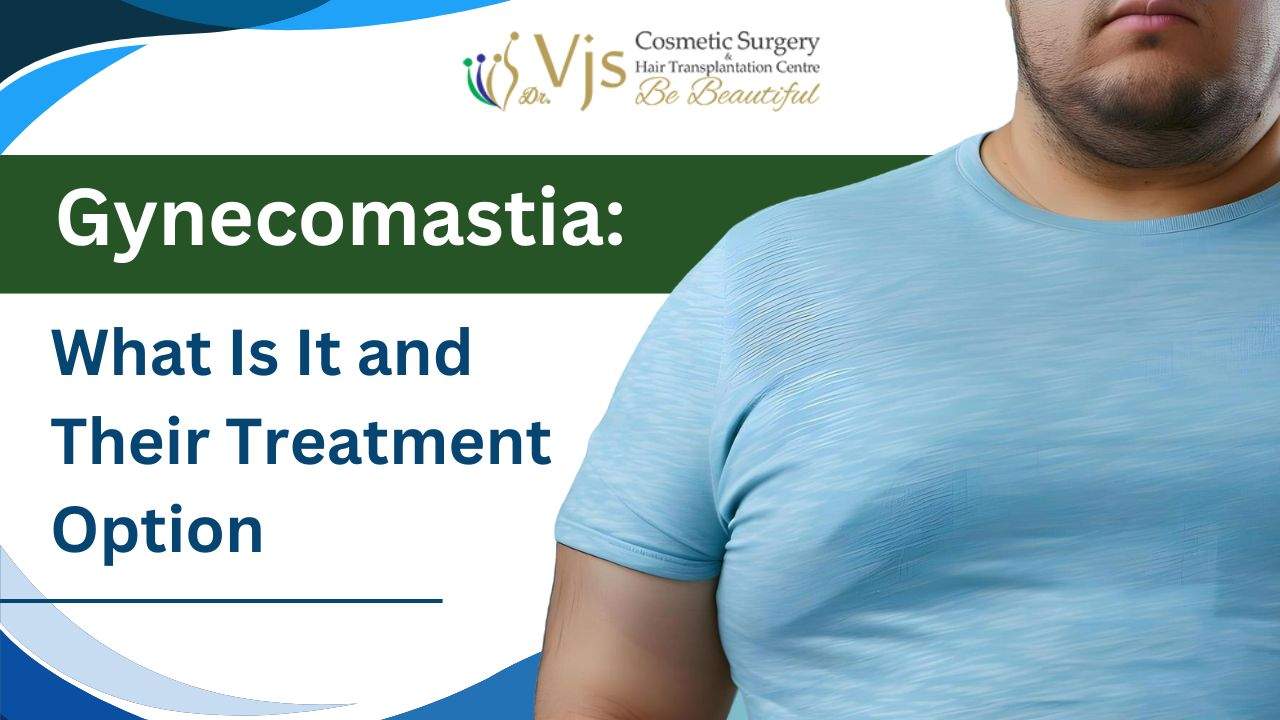
Gynecomastia: Causes, Assessment, Treatment Options and Surgery Considerations
Gynecomastia is enlargement of glandular breast tissue in males and is different from chest fat alone. Learn about causes, assessment, treatment options, surgery considerations and when medical review is important.

What Is Gynecomastia, And Role Of Celebrities In Bringing Light To Gynecomastia?
Gynecomastia is referred to as the enlargement of the breast in males. The topic has recently gained popularity after men have known that some celebrities also have gone through Gynecomastia.