
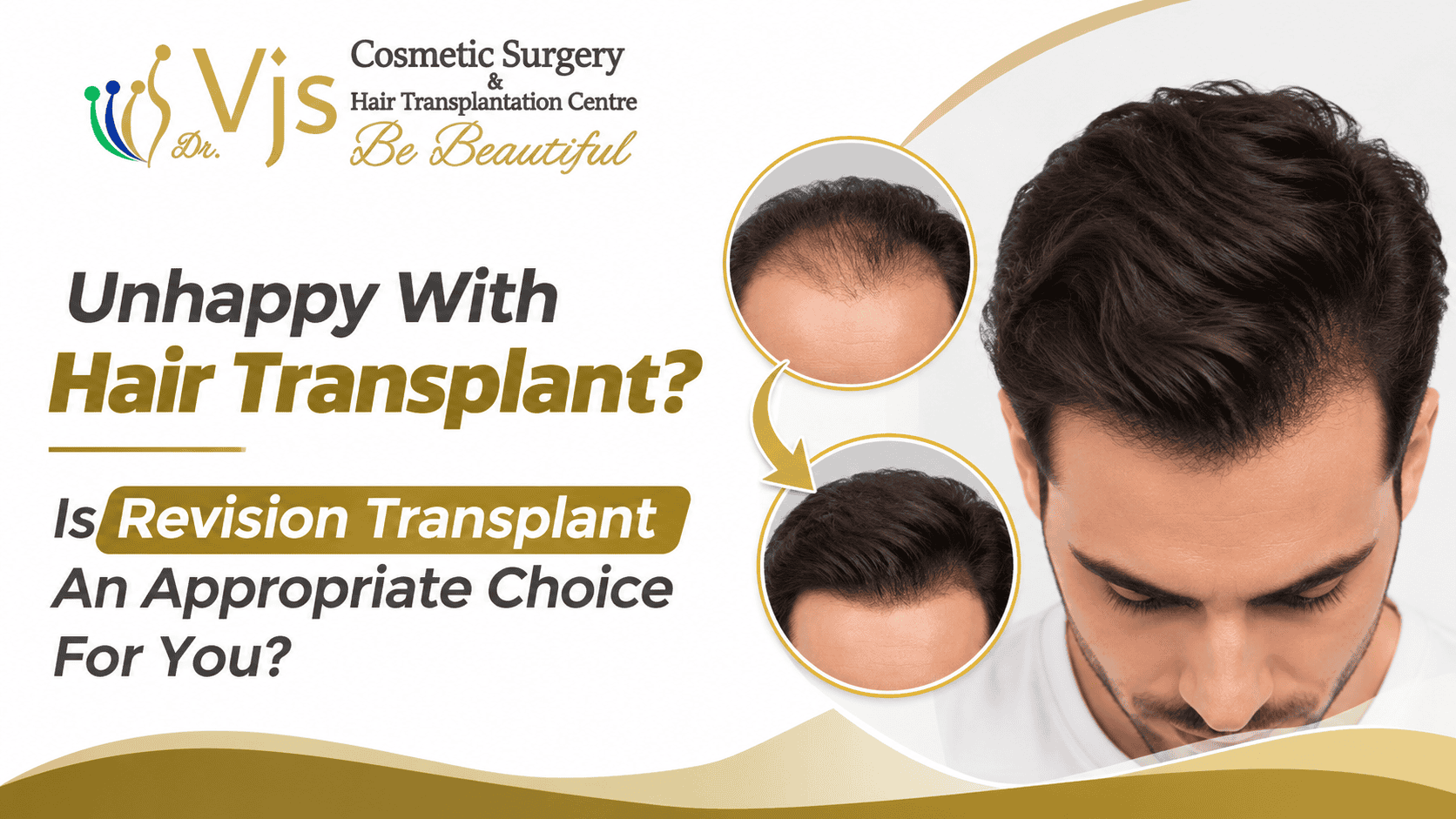
Unhappy With Hair Transplant? Is Revision Transplant An Appropriate Choice For You?

Revision surgery is one concern that is not discussed as a reality of the hair transplant industry. Clinics don’t deal with it. Mostly, patients don’t find out about it until they are researching someone else’s preventive experience or living through it themselves. But the demand for revision hair transplant planning is real, significant and the reason behind it is important to understand is useful for those who have not yet had their first hair transplant procedure. This is not about unnerving people away from hair transplantation. It gives results that genuinely improve lives. The point is that, when done well, it is the significant standard, and the gap between procedures that meet it and those that don’t is more than enough that a meaningful number of patients end up with the requirement of a hair transplant revision procedure. What creates the gap, and what patients can do before their first hair transplantation procedure to make sure they are not in position afterwards. That’s what this blog is about. What is the actual meaning of revision? Poor survival of graft: when the procedure is not planned, whatever is planned Practical summary The need for revision is not random. It has causes, but most of them are preventable. The patients who end up with revision are those who choose the clinic without any verification. But procedures like hair transplantation always need to be done at clinics where the surgeons perform the surgical work and design a natural-looking hairline. At Vj’s Cosmetic Surgery & Hair Transplantation Centre, the process of consultation covers all the factors that commonly drive the need for revision and expertise. Dr. C. Vijay Kumar performs each stage of surgery with precision, realistic expectations and quality results. Not because revision is even likely with care, but because the decisions made before the initial procedure are the ones that determine whether the revision becomes a question. FAQ’S Why are some patients not satisfied with their first hair transplant procedure? The patients are not satisfied with the first transplant because of many reasons, including low density, unnatural appearance and progressive hair loss. Is surgery always performed to solve a problem with a bad hair transplant? Not always, only in severe cases is a revision transplant required, because other non-surgical alternatives are also available to fix a bad hair transplant. How did I come to know transplantation revision is right for you? You came to know about transplantation with concerns including sufficient donor hair, real expectations, proper evaluation and sufficient time for healing. What are considered disadvantages of a revision hair transplant? The disadvantages of revision hair transplant include limited graft supply, increased scarring and sometimes a worse appearance

Does Lipoma Removal Lead to Large Scars and Recurrence?
Most individuals might not be aware of the term “lipoma”; if you are one of them as well, then you might understand this term through its specific symptoms. Feeling a soft jelly bean on your neck, shoulder, arms or thighs that is quite visible is associated with a lipoma. Now that you have got the name for those rubbery and squishy lumps over any part of your body, it is crucial to understand the right treatment as well. Usually, lipoma treatment is a game of wait and watch, as they get better without treatment; also, sometimes they don’t even cause any pain. However, if you notice rapid growth in their size, which gradually starts affecting your overall look and confidence, then surgical incision becomes a great option. But, hold on! There are a few instances of lipoma recurrence after a few days following the initial surgery, which strongly indicates an incomplete surgical procedure. Although lipoma removal scar recurrence is rare, at about 1% to 5%, it entirely depends on the incision type and the specific technique used for lipoma removal. Welcome to this blog post, where you’ll be introduced to the reasons why lipoma removal surgery includes the chances of recurrence and large scars, so continue reading. Which types of surgical techniques are used for lipoma removal? Different surgical techniques have been used for lipoma removal; the specific technique is selected based on the exact size of the lipoma, the number of lipomas you have and your personal and medical assessment. What leads to large scars and recurrence after lipoma removal surgery? First, understand what leads to lipoma regrowth:- It is important for you to understand that the lipoma recurrence rate is quite low, according to studies by the National Library of Medicine; however, its recurrence depends entirely on the specific type of surgical incision and an incomplete removal. Now, what leads to large scars:- Lipoma removal scar recurrence timeline generally starts gradually, over days and months. What are the risks associated with the lipoma removal surgery? The Bottom Line! Summing up the above-mentioned lines, you might have apparently understood the factors leading to lipoma recurrence and large scars after the lipoma removal surgery. However, this cannot be everyone’s case; this only demonstrates the possibilities after the surgery. Also, if you understand the right techniques that must be followed for lipoma removal scar recurrence aftercare, then your scars can be managed. If you have been struggling with lipoma, then schedule an appointment with your healthcare provider in order to get the right guidance and solution. You can even ask about your specific concerns regarding lipoma removal scar recurrence in Vikhakhaptanam to get precise answers. We, the experts at VJ’s Cosmetic Surgery and Hair Transplantation Centre, also provide different cosmetic surgeries, tailored to custom needs with the aim of boosting self-esteem. Meet our qualified expert, Dr. C. Vijay Kumar, who has gained knowledge in performing jar loss treatments along with cosmetic surgery. FAQs Generally, lipomas can be removed within 20 to 45 minutes; however, if the lipomas are larger in size, then it might take some more time to be removed. No, it is not necessary to choose a surgical method again if the lipoma has regrown; you can discuss it with your healthcare provider before proceeding further. Steroid injections, liposuction and other alternative treatments are still available to remove lipomas other than surgical excision. It does not directly indicate that such lipomas are cancerous; however, incomplete removal- surgery is one of the major reasons- can lead to recurrence. Still, make sure to discuss with your healthcare provider whether those regrown lipomas are cancerous or not. You can choose any topical care after discussing with your healthcare provider to apply over the scar for less visibility. Yes, the scars can be permanent; however, they usually get flattened or less visible with time.