
Stem Cell Hair Therapy: Evidence, Limits and Safety
Video
Related hair-loss resources: start with the hair loss guide for diagnosis, compare established or commonly offered procedures such as PRP therapy and GFC therapy, and review hair transplantation only when surgical restoration is being considered. For an individual assessment, use the contact page.
Stem Cell Therapy in India
Hair loss has many possible causes, including androgenetic alopecia, alopecia areata, telogen effluvium, nutritional deficiencies, medication effects and scarring conditions. The first step is an appropriate diagnosis rather than assuming one treatment fits every type of hair loss.
Stem-cell and other regenerative approaches are being studied for hair restoration, but evidence is still developing and treatment protocols are not standardized. They should not be presented as a proven, permanent or guaranteed cure for baldness.
Patients considering a regenerative procedure should ask exactly what product is being used, how it is prepared, what evidence supports that specific approach, what alternatives are available and what follow-up is required.
Stem Cell Therapy Treatment in Andhra Pradesh
Regenerative hair-loss research includes a range of cell-based and cell-derived approaches. These are not interchangeable, and results from one preparation cannot automatically be applied to another. Claims that stem cells reliably create new follicles or restore hair in every patient are not established.
Safety depends on the source and handling of the product, sterility, the injection technique and the patient’s medical history. Potential risks can include pain, swelling, bleeding, infection, scarring and an unsatisfactory cosmetic result. Regulatory status also varies by product and country.
For established causes of hair loss, evidence-based options may include medical treatment, observation, treatment of an underlying condition or hair transplantation, depending on the diagnosis and individual goals.
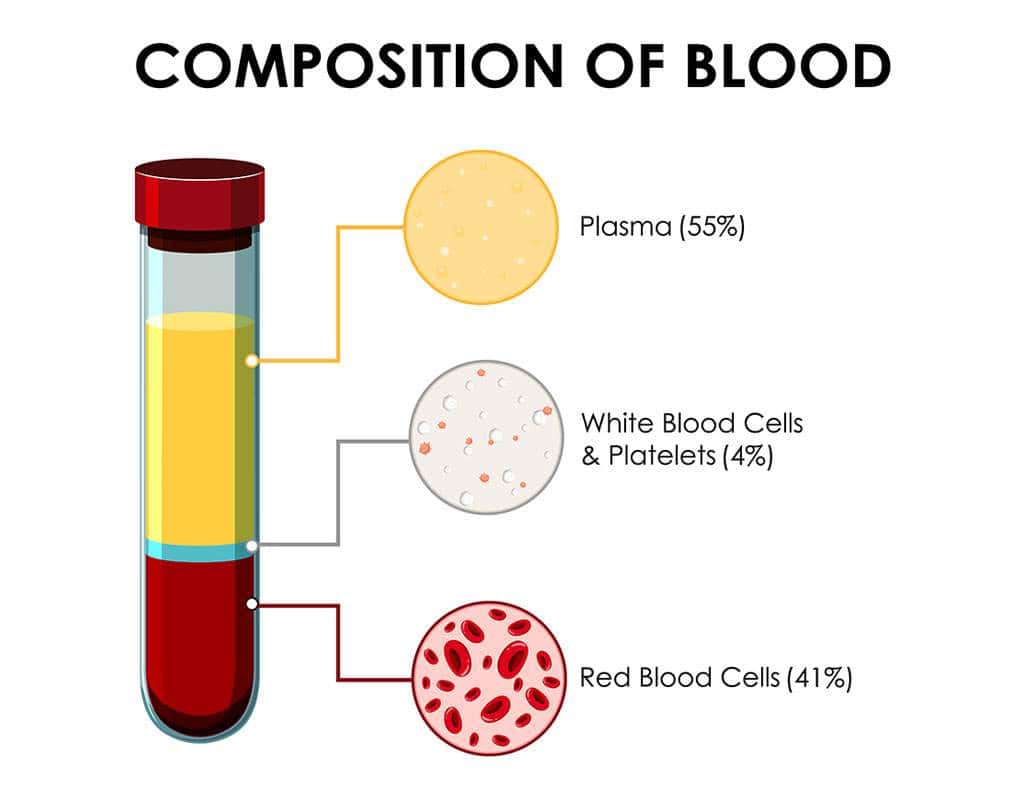
Stem Cell Therapy: the Process
There is no single standardized “stem-cell hair therapy” process. Different clinics may use different products or laboratory methods, and PRP prepared from a patient’s own blood is a different treatment from a stem-cell product.
Before any procedure, patients should be told exactly what is being administered, whether it is approved or investigational in the relevant jurisdiction, the evidence for the proposed use, expected limitations, possible adverse effects and what alternatives exist.
Avoid relying on fixed claims such as a specific number of follicles producing a guaranteed number of new hairs; individual response and the biological behaviour of hair follicles cannot be predicted that way.
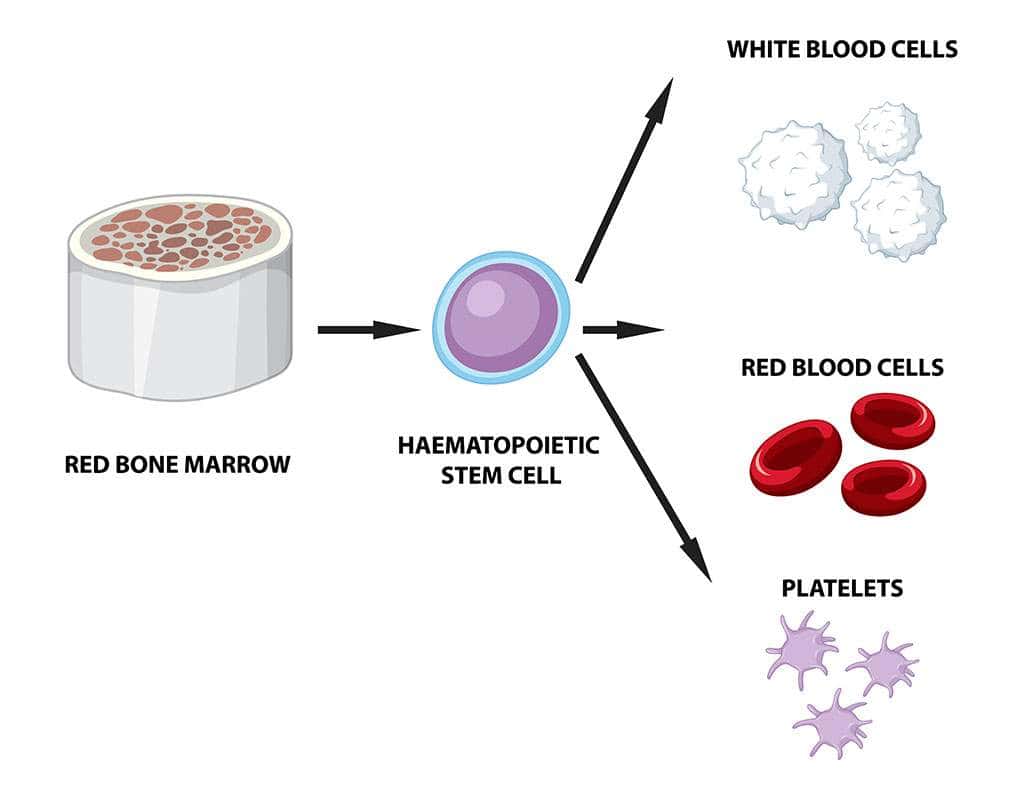
Benefits of the Stem Cell Treatment
Stem-cell approaches for hair loss should be described as investigational rather than as a revolutionary, permanent or “sure-shot” solution. They are not free of risk simply because a product may come from the patient’s own body.
- Results are not guaranteed and may vary substantially.
- Infection, pain, swelling, bleeding, scarring or an unsatisfactory result can occur.
- The regulatory status and evidence depend on the exact product and technique used.
- PRP and stem-cell products are different treatments and should not be described as the same procedure.
- Patients should receive a diagnosis and discuss established alternatives before deciding on an investigational treatment.
If a clinic offers a regenerative procedure, ask for the exact product name, source, evidence, approval or investigational status, expected number of sessions, total cost and follow-up plan before consenting.
Related Posts
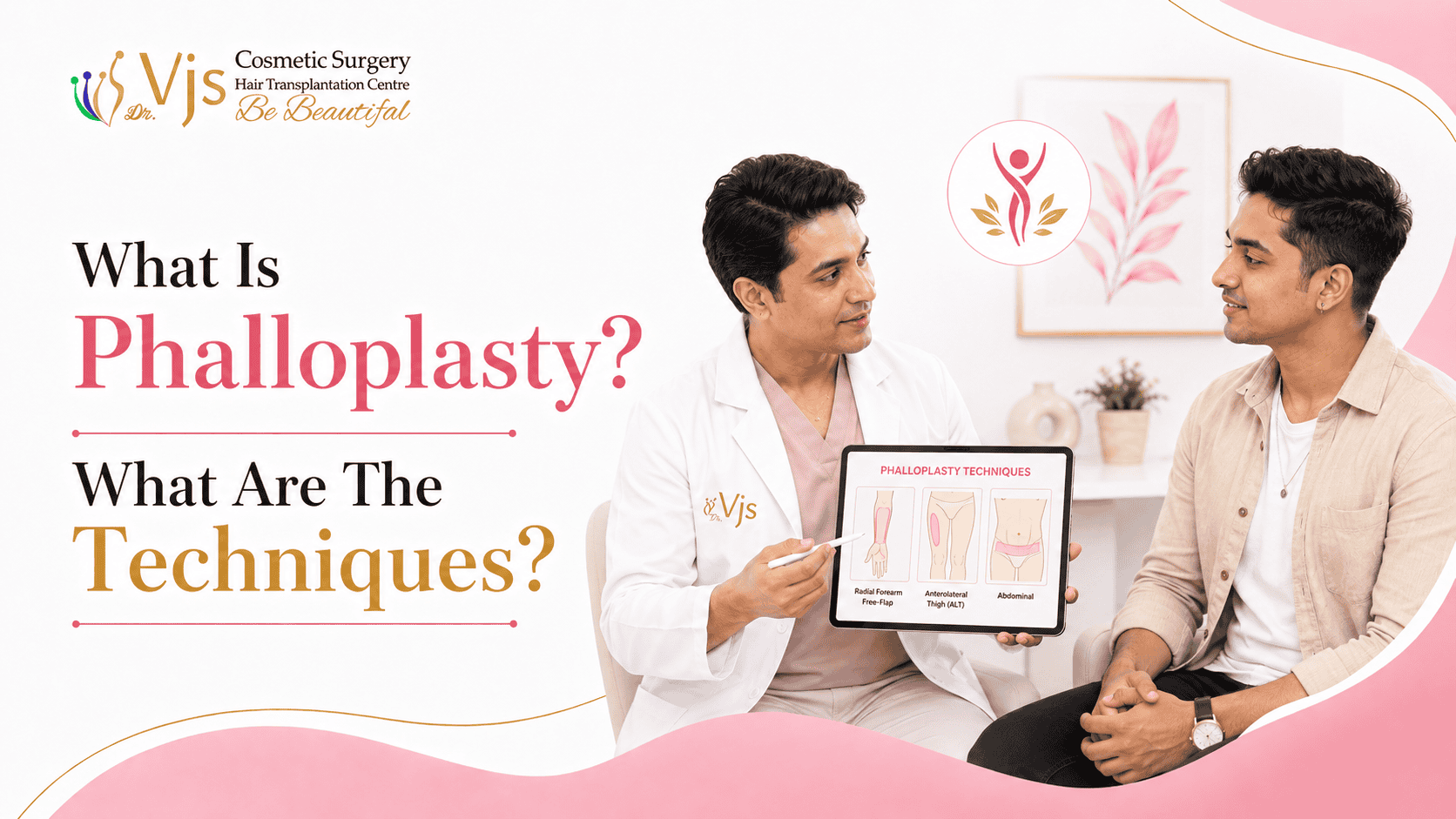
Phalloplasty: Techniques, Stages, Goals and Important Limitations

Phalloplasty is a complex reconstructive procedure that may be considered for gender-affirming care, trauma, cancer or congenital conditions. Technique, staging, urinary function, sensation and recovery vary by individual.

Vaginoplasty: Indications, Techniques, Risks and Recovery Considerations
Vaginoplasty can refer to different reconstructive or gender-affirming procedures. The reason for surgery, technique, risks and recovery vary, so assessment should be individualized.