
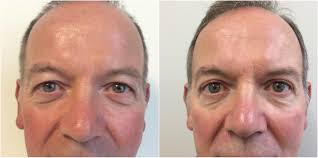

Blepharoplasty is eyelid surgery used to remove or reposition selected skin and fat from the upper eyelids, lower eyelids, or both. It may be considered for cosmetic reasons or, in some patients, because heavy upper-eyelid skin interferes with the field of vision. The procedure should be planned around eyelid anatomy, eye health and the patient’s goals rather than a promise of a particular appearance.
What can blepharoplasty address?
Upper-eyelid surgery can reduce excess skin and selected fat that create a heavy or folded appearance. Lower-eyelid surgery can address some forms of under-eye bags, skin excess and contour irregularity. When visual obstruction is a concern, an eye examination and, in some cases, formal visual-field testing may be useful before surgery.
Blepharoplasty does not automatically correct dark circles, crow’s feet, eyebrow descent or every type of under-eye hollow. Those concerns may have different causes and may require no treatment, skin treatment, brow surgery, filler or another approach. Combining procedures should only be considered after discussing the extra risks and recovery.
Who may be a suitable candidate?
There is no universal age such as 35 at which someone becomes an “ideal” candidate. Suitability depends on eyelid anatomy, symptoms, general health, eye conditions, smoking or nicotine use, medicines, expectations and whether the proposed change is likely to meet the patient’s goals.
People with significant dry eye, thyroid eye disease, uncontrolled medical conditions or other eye problems may need additional assessment before elective eyelid surgery. Tell the surgeon about blood thinners, supplements and previous eye or facial procedures. Do not stop prescribed medicines without guidance from the prescribing clinician and operating team.
How is eyelid surgery performed?
The surgical approach varies. Upper-eyelid incisions are usually placed within the natural crease. Lower-eyelid surgery may use an incision just below the eyelashes or an internal transconjunctival approach when skin removal is not required. The surgeon may remove, preserve or reposition fat depending on the anatomy and planned result.
Local anaesthesia with sedation or general anaesthesia may be used depending on the operation, facility and patient factors. Procedure time also varies; a fixed two-hour duration should not be treated as a guarantee.
Risks and limitations
Blepharoplasty is commonly performed but it is still surgery. Possible complications include bleeding, infection, dry-eye symptoms, irritation, asymmetry, noticeable scarring, difficulty closing the eyes, eyelid malposition, temporary blurred vision and the need for revision. Serious vision-threatening complications are rare but require urgent medical attention.
No clinic or surgeon can responsibly promise 100% success, perfect symmetry or complete satisfaction. Photographs of previous cases can help explain the surgeon’s style, but they cannot predict an individual result.
Recovery after blepharoplasty
Bruising, swelling, tightness and mild irritation are common early in recovery. Cold compresses, prescribed eye care and sleeping with the head elevated may be recommended. Sutures, when used externally, are removed according to the surgeon’s plan. Many patients resume routine activities within days to a couple of weeks, but swelling and scar maturation continue for longer.
Seek prompt medical advice for severe or increasing pain, sudden vision change, marked swelling on one side, persistent bleeding, fever or other symptoms the surgical team has identified as warning signs.
Questions to ask before surgery
- Who will perform the operation and what eyelid-surgery experience do they have?
- Is the goal cosmetic, functional or both?
- Which incision and fat-management approach is proposed, and why?
- What scars, swelling and recovery should I expect?
- How could the procedure affect dry-eye symptoms or eyelid closure?
- What complications can occur and how are they managed?
- What does the written cost estimate include?
Patients considering blepharoplasty at VJ Clinics can use the consultation to review these questions and confirm the operating clinician, facility, anaesthesia plan and follow-up arrangements before deciding whether surgery is appropriate.